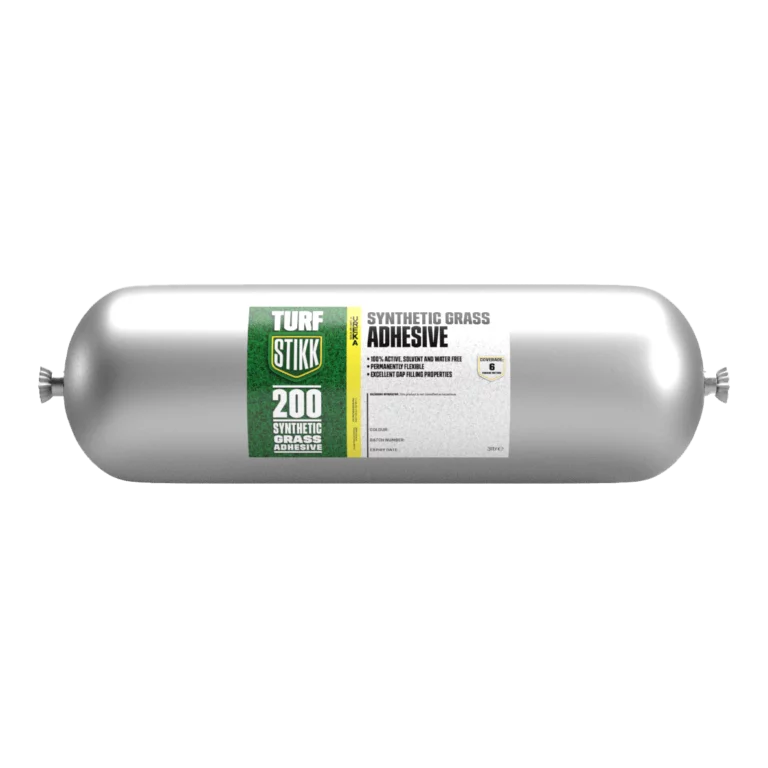
Artificial turf has become a popular choice for homeowners, businesses, sports facilities, playgrounds, and landscaping projects. It offers a clean, attractive appearance with minimal maintenance compared with natural grass. However, installing artificial turf correctly requires more than simply laying the grass over a prepared surface. One of the most important components of a professional installation is choosing the right turf glue or artificial turf adhesive.
The right adhesive helps secure turf seams, prevent movement, and create a neat, durable finish. Whether you are installing a small backyard lawn or covering a large commercial area, understanding how turf adhesives work can help you achieve better results.
What Is Turf Glue?
Turf glue is a specially formulated adhesive designed to bond artificial grass to different surfaces or to join sections of synthetic turf together. Unlike ordinary household adhesives, turf glue is designed to withstand outdoor conditions such as sunlight, moisture, temperature changes, and regular foot traffic.
A high-quality adhesive can help keep artificial grass securely in place while maintaining the appearance and performance of the installation. Depending on the project, turf glue may be used around the edges of the turf, beneath specific areas, or along seams where two pieces of artificial grass meet.
Why Is Artificial Turf Adhesive Important?
Artificial turf is designed to remain stable once installed, but poorly secured seams or edges can lift, shift, or become visible over time. This is where artificial turf adhesive becomes particularly useful.
A suitable adhesive can provide several benefits:
- Strong bonding: It helps create a secure connection between turf materials and compatible surfaces.
- Seam stability: Adhesive can help prevent seams from separating or becoming noticeable.
- Weather resistance: Outdoor-rated products are designed to handle changing environmental conditions.
- Professional appearance: Properly bonded turf produces cleaner edges and smoother transitions.
- Long-term durability: Using the correct adhesive can contribute to a more reliable installation.
For these reasons, selecting an adhesive specifically designed for artificial turf is generally preferable to using a general-purpose glue.
Where Can Turf Glue Be Used?
Turf glue can be used in a variety of artificial grass applications. Residential lawns are one of the most common uses, but synthetic turf is also installed on balconies, terraces, patios, commercial landscapes, playgrounds, and sports areas.
One important application is seam bonding. Large turf areas often require multiple rolls or sections of artificial grass. These sections need to be positioned carefully and joined so that the finished surface looks continuous. Turf adhesive, often used with seam tape, can help create a strong connection between adjoining sections.
Adhesive may also be used around perimeter areas where additional stability is required. The exact application method depends on the turf system, base material, and manufacturer’s recommendations.
How to Choose the Right Artificial Turf Adhesive
Not every adhesive is suitable for every artificial grass project. Before purchasing an artificial turf adhesive, consider several factors.
First, check whether the adhesive is designed specifically for synthetic turf. Outdoor installations require a product that can tolerate moisture, heat, and temperature fluctuations.
Next, consider the surface you are bonding to. Concrete, wood, rubber, asphalt, and other substrates may require different adhesive specifications. Always verify compatibility before applying the product.
The size of your project is another consideration. Small residential repairs may require a different quantity and application method than large commercial installations.
It is also important to follow the manufacturer’s instructions regarding curing time, temperature requirements, surface preparation, and application thickness.
Tips for Using Turf Glue
Proper preparation is essential for achieving a strong bond. Before applying turf glue, make sure the relevant surfaces are clean, dry, and free from dust, dirt, grease, and loose materials.
Measure and position the artificial grass carefully before applying adhesive. Once adhesive has been applied, adjustments may become more difficult.
For seams, ensure the turf edges are aligned correctly. Avoid applying excessive adhesive, as too much product can create an uneven surface or potentially affect the appearance of the turf.
Allow the adhesive to cure for the recommended period before placing heavy furniture on the area or allowing significant foot traffic. Weather conditions can affect curing, so always follow the product’s specific instructions.
Common Mistakes to Avoid
One of the most common mistakes is using an adhesive that is not designed for artificial turf or outdoor applications. A product may appear strong initially but fail when exposed to moisture, heat, or repeated movement.
Another mistake is skipping surface preparation. Dirt or moisture between the adhesive and bonding surface can reduce adhesion significantly.
Incorrect seam alignment is another issue. Even a strong turf glue cannot compensate for poorly positioned turf edges. Take time to align the sections before permanently bonding them.
Finally, avoid ignoring manufacturer recommendations. Application temperatures, curing times, and compatible surfaces can vary considerably between products.
Final Thoughts
A successful artificial turf installation depends on proper preparation, quality materials, and correct installation techniques. Choosing the right artificial turf adhesive is an important part of that process, particularly when securing seams and creating stable edges.
Whether you are completing a residential landscaping project or a larger commercial installation, using a purpose-designed turf glue can help improve the stability, appearance, and durability of artificial grass. Always select a product appropriate for your specific surface and environmental conditions, and follow the manufacturer’s instructions for the best possible results.