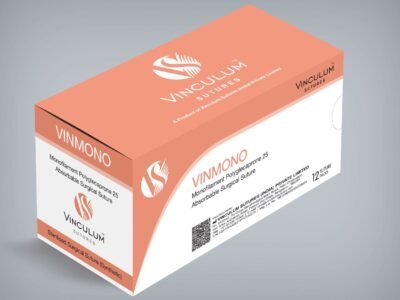
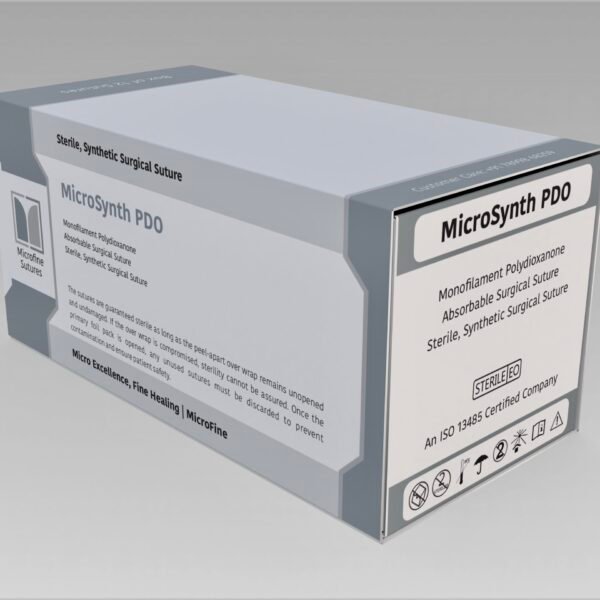
In modern surgery, precision is essential at every stage of a procedure. From the choice of instruments to the materials used for wound closure, each component can influence how effectively a surgical site is managed. Sutures are particularly important because they help bring tissue edges together and support the healing process. Among the different options available today, Microfine Sutures are valued for their fine construction, precision, and suitability for procedures where careful tissue handling is important.
What Are Microfine Sutures?
Microfine sutures are designed with a very fine diameter and smooth, precise construction. Their smaller profile can make them suitable for delicate surgical procedures where controlled tissue approximation is required. Depending on the application, they may be available in different materials, configurations, needle combinations, and sizes.
The selection of a suture generally depends on factors such as the type of tissue, surgical technique, expected healing period, and the required strength. For procedures involving delicate or sensitive tissues, a fine suture can provide the surgeon with greater control during placement.
Why Suture Precision Matters
Surgical suturing requires accuracy. A suture that is appropriately selected for the procedure can help surgeons achieve consistent tissue approximation while minimizing unnecessary manipulation.
Fine sutures are often considered when working with tissues where excessive material may not be desirable. Their delicate profile can support precise placement, particularly in procedures where neat closure and controlled handling are important.
However, the finest available suture is not automatically the right choice for every procedure. Surgeons and healthcare professionals consider the characteristics of the tissue and the demands placed on the wound before selecting a particular product.
Materials Used in Surgical Sutures
Sutures can be manufactured from a variety of materials, and each material has its own characteristics. Common categories include absorbable and non-absorbable sutures.
Absorbable sutures are designed to gradually lose their strength and break down within the body over time. They may be useful when long-term removal of the suture is not required. Non-absorbable sutures, on the other hand, are designed to maintain their integrity for longer periods and may be selected when prolonged tissue support is required.
The choice of material can depend on the surgical application, tissue characteristics, healing requirements, and the surgeon’s preference.
Importance of Choosing a Reliable Suture Manufacturer
The quality of a surgical suture depends not only on its material but also on how it is designed, produced, tested, packaged, and handled. This makes the selection of a reliable Sutures Manufacturer an important consideration for healthcare organizations and medical professionals.
A responsible manufacturer should maintain consistent production processes and appropriate quality-control procedures. Factors such as suture diameter, tensile strength, needle attachment, surface characteristics, packaging integrity, and sterilization can all contribute to product consistency.
Manufacturing consistency is especially important for fine sutures because even small variations can matter when products are intended for precise surgical applications.
Applications of Fine Sutures
Microfine sutures may be considered for a range of procedures where delicate tissue handling and accurate closure are important. Their applications can vary depending on the material, size, needle design, and intended use.
They may be used in areas of surgery that require careful approximation of small or delicate tissue structures. Specialized surgical disciplines can have different requirements, so healthcare professionals typically select the appropriate suture according to the procedure rather than relying on a single type for every application.
The needle attached to the suture is also important. Different needle shapes, points, and sizes are designed for different tissue types and surgical techniques.
Quality and Safety in Suture Manufacturing
Medical-device manufacturing requires attention to quality at every stage. Raw materials should be appropriately selected and controlled, while production processes should be monitored to maintain consistent product characteristics.
Packaging is another important consideration. Sterile surgical sutures need packaging that protects the product from contamination and maintains sterility until the package is opened according to the manufacturer’s instructions.
Traceability and quality documentation can also help healthcare providers and distributors maintain confidence in the products they use. Manufacturers serving medical markets should therefore focus on controlled processes, product testing, appropriate packaging, and compliance with applicable regulatory requirements.
Making the Right Suture Selection
Selecting a surgical suture should always be based on the requirements of the specific procedure. Important considerations can include absorbability, material, diameter, tensile strength, needle configuration, tissue type, expected healing time, and surgical technique.
Healthcare professionals may also consider handling characteristics, knot security, and the overall performance of the suture during placement. By matching the suture to the clinical application, surgeons can use a product that aligns with the needs of the procedure.
Conclusion
Sutures remain a fundamental part of surgical care, and advances in medical-device manufacturing continue to provide healthcare professionals with increasingly specialized options. Microfine Sutures offer a fine and precise option for procedures where controlled tissue approximation is important.
At the same time, working with an experienced Sutures Manufacturer can help healthcare providers access consistently produced products supported by appropriate quality-control and manufacturing practices. Ultimately, the right suture depends on the procedure, tissue, surgical technique, and clinical requirements. Careful product selection and reliable manufacturing are therefore important parts of achieving consistent surgical performance.