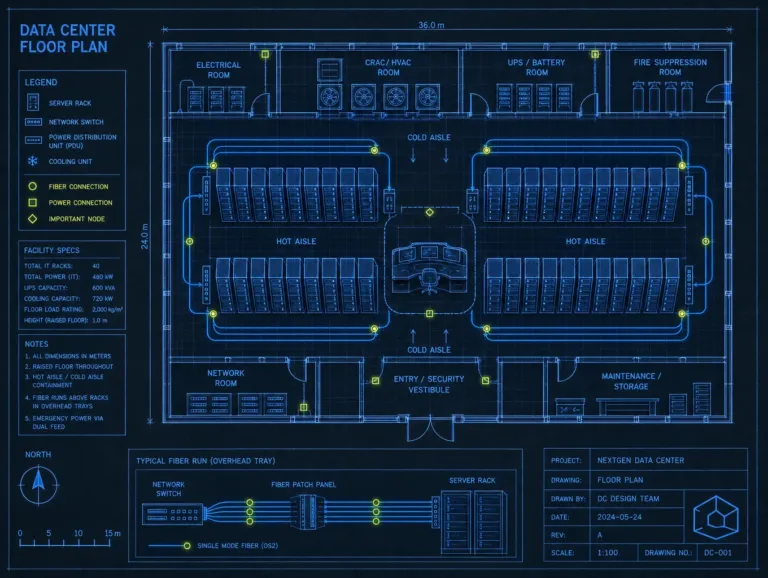
In today’s rapidly evolving digital landscape, businesses need efficient, secure, and scalable IT infrastructure to remain competitive. As organizations expand, their data centers often become complex, expensive, and difficult to manage. Multiple servers, outdated hardware, and scattered IT resources can increase operational costs and create performance challenges. This is where Data Center consolidation Services play a vital role in streamlining IT operations, improving resource utilization, and supporting long-term business growth.
Alongside consolidation, partnering with a reliable Data Migration Services Company helps businesses transfer critical data, applications, and workloads securely while minimizing downtime and operational disruptions. Together, these services enable organizations to modernize their infrastructure and build a more agile digital environment.
What Are Data Center Consolidation Services?
Data center consolidation involves combining multiple data centers, servers, storage systems, and IT resources into a centralized, optimized infrastructure. The primary goal is to eliminate unnecessary complexity, reduce operational expenses, and improve overall performance.
Organizations may operate several data centers because of mergers, acquisitions, business expansion, or legacy infrastructure requirements. Over time, these environments can become difficult to maintain and secure.
Professional Data Center consolidation Services help businesses assess their existing infrastructure, identify redundant systems, optimize workloads, and establish a more efficient IT environment. Depending on business requirements, consolidation may involve physical data centers, virtualized environments, private cloud platforms, or hybrid infrastructure.
By simplifying their IT ecosystem, organizations can improve manageability, strengthen security, and allocate resources more effectively.
Why Businesses Need Data Center Consolidation
Modern businesses generate and process enormous amounts of data. Managing this information across disconnected infrastructure can result in unnecessary expenses and operational inefficiencies.
Here are some important reasons to consider data center consolidation:
1. Reduced IT Infrastructure Costs
Maintaining multiple data centers requires significant investment in hardware, electricity, cooling, networking, and technical support. Consolidation reduces redundant infrastructure and helps organizations control operating expenses.
2. Improved Resource Utilization
Underutilized servers and storage systems waste valuable resources. Consolidation enables businesses to distribute workloads more efficiently and maximize the value of their existing infrastructure.
3. Enhanced Security and Compliance
Managing security across numerous environments can be challenging. A consolidated infrastructure makes it easier to implement standardized security policies, monitor access, and maintain compliance with applicable industry regulations.
4. Simplified IT Management
A centralized environment reduces administrative complexity. IT teams can monitor infrastructure, troubleshoot issues, and manage workloads more effectively, allowing them to focus on strategic initiatives.
5. Greater Scalability
As businesses grow, their technology needs change. A well-planned consolidation strategy provides a flexible foundation for expanding storage, computing capacity, and cloud resources.
The Importance of a Data Migration Services Company
Data center consolidation often requires transferring large volumes of business-critical information between servers, storage platforms, applications, or cloud environments. Without proper planning, migration can lead to data loss, application downtime, compatibility issues, and security risks.
A professional Data Migration Services Company helps organizations navigate these challenges through structured planning, technical expertise, and proven migration methodologies.
The process typically begins with a comprehensive assessment of the existing IT environment. Migration specialists evaluate data volumes, application dependencies, infrastructure limitations, and business priorities before developing a customized migration strategy.
Key services may include:
- Data assessment and planning: Identifying critical datasets, dependencies, and migration requirements.
- Secure data transfer: Protecting sensitive information through appropriate encryption and access controls.
- Application migration: Moving applications and associated workloads while addressing compatibility requirements.
- Cloud migration: Transferring data and workloads to public, private, or hybrid cloud platforms.
- Data validation: Verifying data integrity, completeness, and accessibility after migration.
- Post-migration support: Monitoring system performance and resolving issues following deployment.
Working with an experienced provider helps businesses reduce migration risks and maintain continuity throughout infrastructure transformation.
How Data Center Consolidation and Data Migration Work Together
Data center consolidation and data migration are closely connected. Consolidation determines how infrastructure should be optimized, while migration enables the secure movement of information and workloads into the target environment.
For example, an organization operating several regional data centers may decide to centralize its infrastructure in a modern facility or cloud environment. Before redundant systems can be decommissioned, business data and applications must be transferred to their designated destinations.
A coordinated approach ensures that dependencies are identified, migration schedules are aligned with business operations, and critical systems remain accessible.
The process generally includes infrastructure assessment, strategy development, migration planning, data transfer, validation, performance testing, and final decommissioning.
Combining these services allows organizations to modernize infrastructure without unnecessarily disrupting everyday business activities.
Best Practices for Successful Data Center Consolidation
To achieve successful results, businesses should follow a structured and risk-aware approach.
Assess the Existing Infrastructure: Document servers, applications, storage systems, network connections, and dependencies before making changes.
Define Clear Objectives: Establish measurable goals related to cost reduction, performance, security, scalability, and availability.
Prioritize Critical Workloads: Identify business-critical applications and plan their migration around operational requirements.
Create a Backup and Recovery Strategy: Maintain reliable backups and establish recovery procedures before transferring sensitive information.
Test Before Deployment: Conduct pilot migrations and performance tests to identify potential issues before full implementation.
Monitor Performance Continuously: Track system availability, resource utilization, security alerts, and application performance after consolidation.
These practices help minimize risks while ensuring the new infrastructure meets organizational requirements.
Choosing the Right Service Provider
Selecting the right partner is essential for achieving long-term value from infrastructure modernization. Businesses should evaluate a provider’s technical expertise, industry experience, security practices, migration methodology, and post-implementation support.
A dependable Data Migration Services Company should offer transparent communication, detailed project planning, risk management, and customized solutions aligned with business goals. Similarly, a provider specializing in Data Center consolidation Services should understand infrastructure optimization, virtualization, cloud integration, and workload dependencies.
Organizations should also consider service-level agreements, disaster recovery capabilities, compliance requirements, and the provider’s ability to support future expansion.
Conclusion
As digital demands continue to grow, businesses must rethink how they manage infrastructure and enterprise data. Data Center consolidation Services help organizations simplify IT environments, reduce unnecessary expenses, improve resource utilization, and create scalable infrastructure.
At the same time, partnering with a trusted Data Migration Services Company ensures that data and applications can move securely and efficiently between environments. When implemented together, these services provide a practical foundation for IT modernization, improved operational resilience, and sustainable business growth.
Investing in a well-planned consolidation and migration strategy enables organizations to build a more reliable, flexible, and future-ready IT infrastructure while keeping their focus on innovation and business success.