The way we design and develop spaces has a significant impact on how people live, work, relax, and connect with their surroundings. Modern real estate development is no longer limited to constructing buildings; it focuses on creating meaningful environments that combine functionality, aesthetics, sustainability, and comfort. Two essential concepts driving this transformation are Resort Architecture and Township Design and Planning.
While resort architecture focuses on creating exceptional hospitality experiences through thoughtful design and natural integration, township design and planning emphasizes the development of well-organized communities that support modern lifestyles. Together, these approaches contribute to creating attractive, sustainable, and future-ready spaces.
Understanding the Importance of Resort Architecture
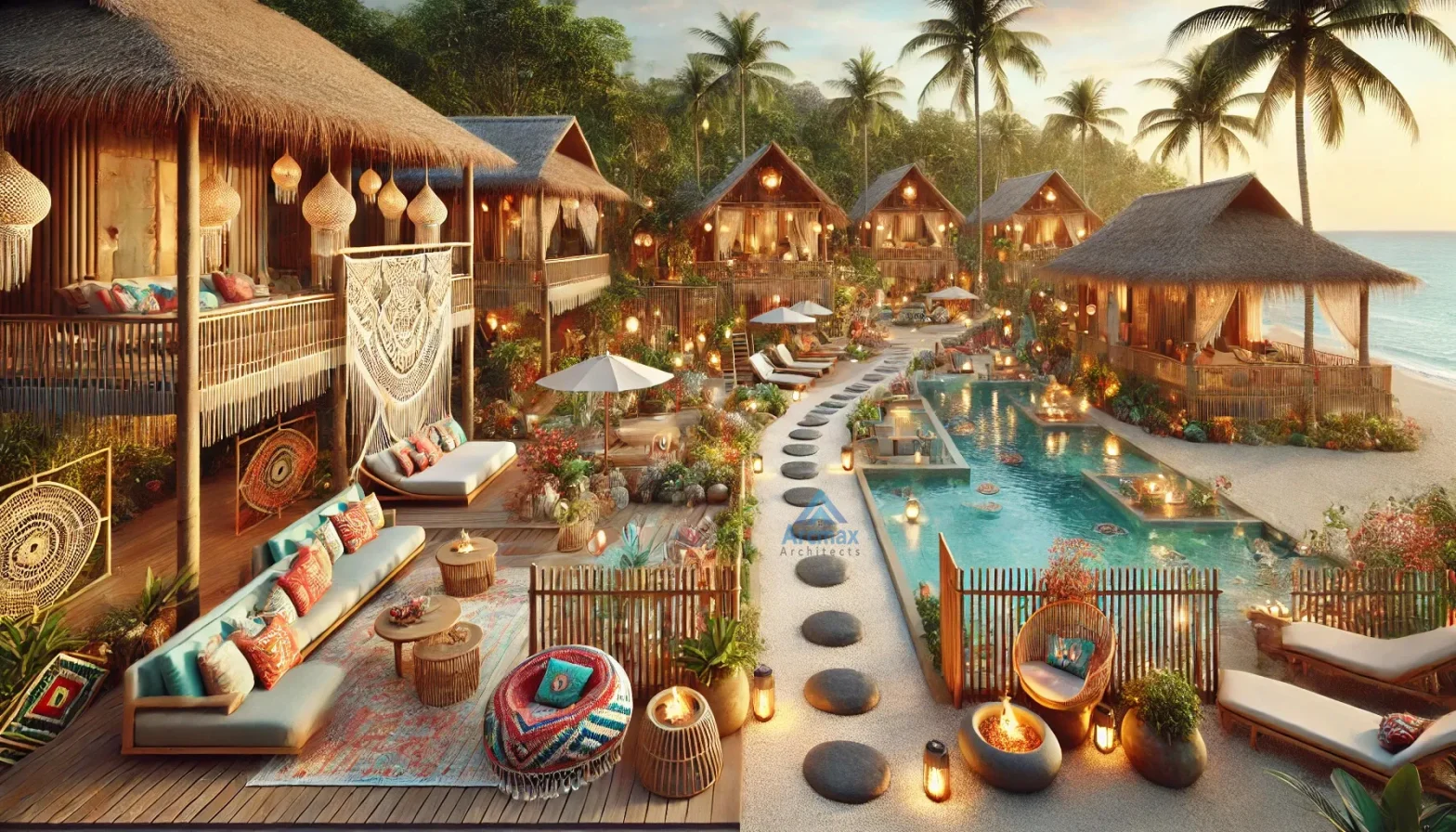
Resort Architecture is a specialized approach to designing hospitality destinations that offer relaxation, recreation, luxury, and a connection with nature. From peaceful countryside retreats to luxurious coastal resorts and wellness destinations, architectural design plays a crucial role in shaping the guest experience.
A well-designed resort goes beyond visually appealing structures. It considers the surrounding landscape, local climate, cultural identity, circulation patterns, privacy, and the overall comfort of guests. Every architectural element, including room layouts, open spaces, swimming pools, restaurants, and recreational facilities, contributes to creating a memorable experience.
One of the most important aspects of resort architecture is the integration of indoor and outdoor environments. Large windows, landscaped courtyards, shaded walkways, terraces, and open-air lounges help create a seamless relationship between buildings and nature.
Additionally, the use of locally sourced materials, traditional architectural elements, and regionally inspired design can give a resort a distinctive identity. These features not only enhance its visual appeal but can also reduce transportation-related environmental impacts and strengthen its connection with the local community.
Key Elements of Successful Resort Architecture
Successful resort architecture requires a balance between design innovation, operational efficiency, and environmental responsibility.
1. Nature-Inspired Design
Incorporating natural landscapes, water features, native plants, and outdoor relaxation areas creates a peaceful atmosphere. Designers should preserve existing natural features wherever possible and ensure that buildings complement rather than dominate their surroundings.
2. Guest Comfort and Functionality
Every space should be designed around the needs of its users. Comfortable accommodations, intuitive circulation, accessible facilities, well-planned recreational zones, and appropriate privacy are essential for a positive guest experience.
3. Sustainable Building Practices
Energy-efficient lighting, natural ventilation, rainwater harvesting, water-efficient fixtures, and renewable energy systems can help reduce environmental impact and operating costs. Selecting durable materials and planning for long-term maintenance further improves sustainability.
4. Cultural Identity and Visual Appeal
Architectural styles that reflect local traditions, craftsmanship, and materials can make resorts more distinctive. Combining regional character with contemporary amenities creates an experience that feels authentic while meeting modern expectations.
By integrating these elements, resort architecture can create destinations that appeal to visitors while supporting responsible tourism and long-term commercial value.
Exploring Township Design and Planning
Township Design and Planning is a comprehensive process of developing integrated communities where residential, commercial, recreational, and social infrastructure work together. Unlike conventional residential projects, a well-planned township considers the complete living experience, including accessibility, public spaces, utilities, transportation, and community well-being.
The primary objective is to create an organized environment where residents can meet their everyday needs conveniently while enjoying a comfortable and connected lifestyle.
A successful township begins with a clear master plan. This plan establishes land-use distribution, road networks, building locations, open spaces, utility corridors, and future development phases. Careful planning at the initial stage helps avoid inefficient land use, traffic congestion, infrastructure gaps, and unnecessary environmental disruption.
Townships can also incorporate educational institutions, healthcare facilities, shopping areas, sports facilities, parks, and community centers. By placing essential services within convenient reach, these developments can improve residents’ quality of life and reduce dependence on long-distance travel.
Essential Principles of Effective Township Design and Planning
1. Smart Land Use and Zoning
A balanced distribution of residential, commercial, institutional, and recreational spaces ensures that the township functions efficiently. Appropriate zoning also helps maintain privacy, reduce conflicts between different activities, and create a logical urban structure.
2. Sustainable Infrastructure
Modern township planning should prioritize water conservation, wastewater treatment, solid waste management, energy efficiency, and environmentally responsible construction. Green infrastructure, including rain gardens, permeable surfaces, and native landscaping, can support better stormwater management.
3. Connectivity and Mobility
Well-designed road networks, pedestrian pathways, cycling routes, and accessible public transportation options improve movement throughout the development. Separating pedestrian-friendly areas from heavy traffic wherever practical can also improve safety and comfort.
4. Open Spaces and Community Living
Parks, gardens, playgrounds, walking trails, and shared recreational facilities encourage physical activity and social interaction. These spaces provide residents with opportunities to relax, connect with neighbors, and develop a stronger sense of community.
5. Future-Ready Planning
A township should be designed to accommodate changing population needs, technological developments, and evolving lifestyles. Flexible infrastructure, digital connectivity, and carefully planned expansion areas help ensure long-term adaptability.
How Resort Architecture and Township Planning Complement Each Other
Although resort architecture and township design serve different primary purposes, they share several important principles. Both require careful site analysis, efficient space utilization, environmental sensitivity, and a strong understanding of human behavior.
Resort architecture can introduce hospitality-inspired features into residential developments, such as landscaped gardens, wellness centers, clubhouses, leisure zones, and thoughtfully designed outdoor spaces. Similarly, township planning principles can help large resort developments organize their internal roads, utilities, service areas, recreational facilities, and future expansion.
When these approaches are combined thoughtfully, the result can be a development that offers both functional infrastructure and an enhanced lifestyle experience. However, successful integration depends on maintaining a balance between luxury, affordability, environmental protection, and practical everyday needs.
The Future of Sustainable Architectural Development
The future of resort architecture and township design and planning will increasingly depend on sustainability, technology, and human-centered design. Smart building systems, energy-efficient construction, renewable energy, water recycling, and climate-responsive architecture are becoming important considerations in contemporary development.
Developers and planners must also respond to changing expectations regarding wellness, accessibility, outdoor recreation, and community engagement. Rather than focusing solely on visual appeal or construction density, future developments should prioritize long-term performance, environmental responsibility, and user satisfaction.
Early collaboration among architects, urban planners, landscape designers, engineers, and infrastructure specialists can help achieve these goals. Integrating their expertise from the beginning allows projects to address design challenges more effectively and create cohesive, well-functioning environments.
Conclusion
Both Resort Architecture and Township Design and Planning play vital roles in shaping the future of real estate and built environments. While resort architecture creates distinctive destinations focused on relaxation, comfort, and memorable experiences, township planning establishes integrated communities designed for convenient, sustainable everyday living.
By combining innovative architectural concepts with responsible planning, efficient infrastructure, and nature-conscious design, developers can create spaces that deliver lasting value. The ultimate goal is to develop environments that are not only visually impressive but also practical, sustainable, and centered on the people who use them.
As the demand for thoughtfully designed spaces continues to grow, these two disciplines will remain essential to creating developments that balance modern aspirations with environmental responsibility and long-term community well-being.