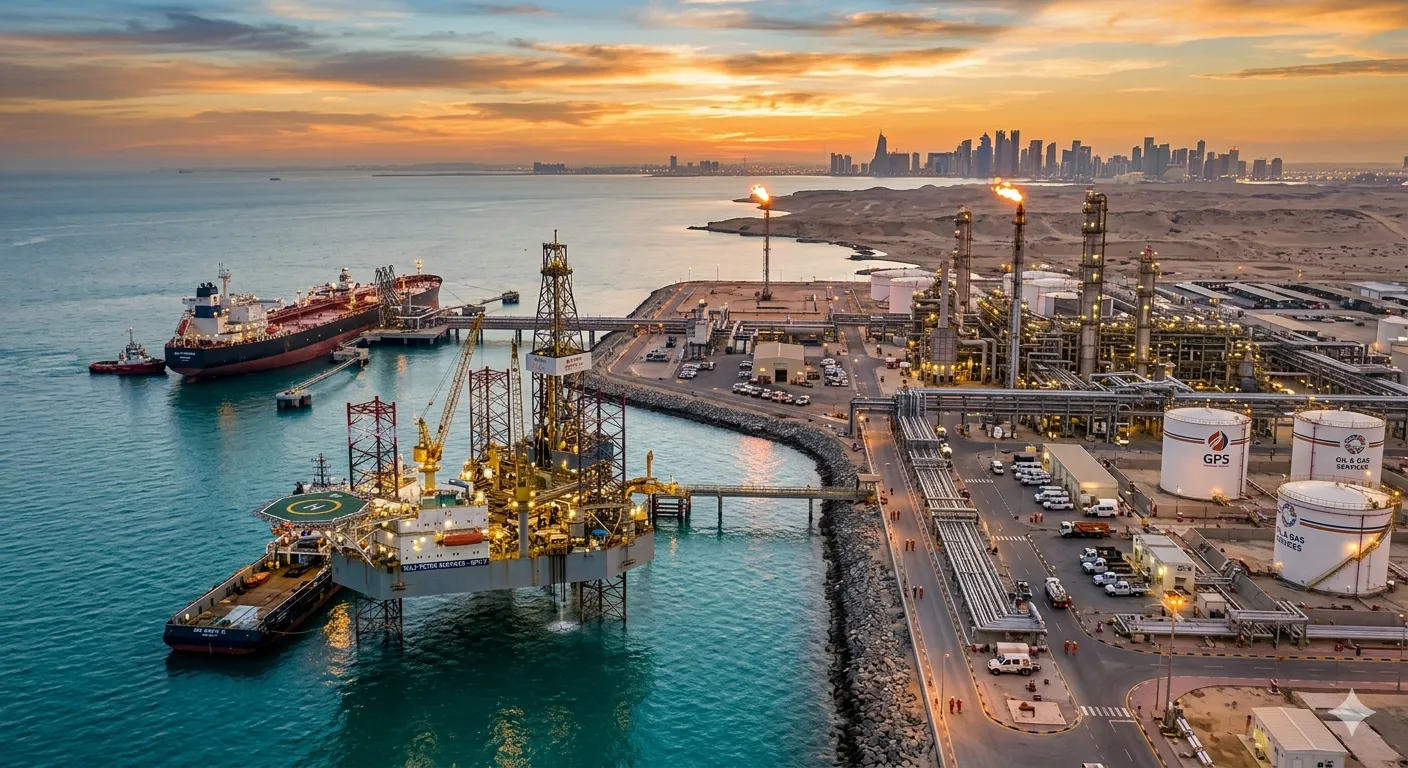
The oil and gas industry plays a vital role in the economic development of Kuwait and Saudi Arabia. With extensive refinery operations, petrochemical facilities, gas processing plants, and energy infrastructure, both countries require advanced engineering solutions to maintain operational efficiency and workplace safety. Computational Fluid Dynamics (CFD) has emerged as an essential technology for analyzing fluid flow, predicting hazardous gas movement, and optimizing industrial processes.
Refinery CFD Analysis Kuwait and Gas Dispersion CFD Analysis Saudi Arabia are important engineering services that help industrial operators understand complex flow behavior, assess potential risks, and develop effective safety strategies. By using advanced numerical simulations, companies can make informed decisions about facility design, risk mitigation, and environmental protection.
What Is Refinery CFD Analysis?
Refinery CFD analysis uses computer-based simulations to study the movement of liquids, gases, heat, and other physical phenomena within refinery environments. It allows engineers to evaluate real operating conditions and identify potential issues before they affect plant performance or personnel safety.
In Kuwait, where refining and hydrocarbon processing are significant industrial activities, CFD simulations can support the design, assessment, and optimization of refinery facilities. These simulations provide detailed information about airflow patterns, temperature distribution, pressure variations, and the movement of hazardous substances.
Key Applications of Refinery CFD Analysis Kuwait
1. Ventilation and Airflow Optimization
Proper ventilation is essential for maintaining safe working conditions in refinery buildings, compressor rooms, control rooms, and enclosed industrial spaces. CFD analysis helps engineers identify stagnant air zones, evaluate ventilation effectiveness, and optimize the placement of air inlets and exhaust outlets.
2. Thermal Management
Refineries contain equipment that operates under demanding thermal conditions. CFD simulations can analyze heat transfer around furnaces, boilers, heat exchangers, and process equipment. These insights help engineers identify overheating risks and improve thermal performance.
3. Fire and Explosion Risk Assessment
CFD can simulate the dispersion of flammable gases and, where appropriate, analyze fire development, heat radiation, and explosion-related effects. These assessments support the identification of vulnerable areas and help engineers evaluate potential risk-reduction measures.
4. Process Equipment Performance
CFD modeling can investigate fluid flow through piping systems, vessels, and other process equipment. The results can help identify flow restrictions, uneven distribution, and other performance challenges, supporting more efficient plant operation.
By integrating these applications, Refinery CFD Analysis Kuwait can contribute to safer facility layouts, improved equipment performance, and more effective engineering decisions.
Understanding Gas Dispersion CFD Analysis
Gas dispersion CFD analysis focuses on predicting how released gases travel through the atmosphere or move around industrial structures. Gas behavior depends on several factors, including release pressure, gas density, temperature, wind speed, atmospheric stability, and surrounding obstacles.
In oil and gas facilities, accidental releases may occur because of equipment failures, leaking connections, pipeline damage, or process upsets. Understanding how gases disperse under different conditions is essential for evaluating potential hazards.
Importance of Gas Dispersion CFD Analysis Saudi Arabia
Saudi Arabia has extensive oil production facilities, gas processing plants, refineries, and petrochemical complexes. These facilities may handle hazardous substances such as methane, hydrogen sulfide, and other flammable or toxic gases.
Gas Dispersion CFD Analysis Saudi Arabia enables engineers to simulate credible gas-release scenarios and determine how gas clouds may spread under different environmental and operating conditions.
Important applications include:
1. Hazardous Gas Cloud Prediction
CFD simulations estimate gas concentration patterns, cloud movement, and the potential extent of hazardous zones. These results help engineers understand which areas may be affected by a release.
2. Equipment Layout Assessment
Buildings, pipe racks, vessels, and other structures can influence airflow and gas accumulation. CFD modeling evaluates these effects and helps engineers assess whether equipment placement could increase local gas concentrations.
3. Gas Detector Placement
Effective gas detection depends on the location of detectors and the movement of gases through the facility. CFD results can help identify potential accumulation zones and support the strategic placement of detection equipment.
4. Emergency Response Planning
Simulated release scenarios can provide valuable information for evacuation planning, emergency access, and the development of response procedures. Results should be integrated with site-specific emergency plans and applicable safety requirements.
5. Environmental and Operational Risk Management
Gas dispersion analysis helps organizations understand potential consequences of accidental releases and evaluate mitigation measures, including ventilation improvements, physical barriers, and changes to facility design.
Benefits of Integrating CFD into Industrial Engineering
Both refinery CFD analysis and gas dispersion modeling provide several advantages for industrial operators.
- Improved safety: Identify potential hazardous zones and evaluate risk-reduction strategies.
- Cost-effective design: Assess engineering alternatives before implementing expensive physical modifications.
- Better operational efficiency: Understand flow behavior, thermal performance, and ventilation effectiveness.
- Informed decision-making: Use detailed simulation results to support engineering reviews and safety assessments.
- Regulatory support: Generate technical evidence that can contribute to safety documentation and compliance reviews, subject to applicable requirements.
CFD does not replace physical testing, established risk assessment methods, or professional engineering judgment. Instead, it complements these approaches by providing detailed insight into complex flow conditions that may be difficult to measure directly.
Choosing the Right CFD Analysis Partner
Selecting an experienced CFD engineering partner is important for achieving reliable results. Industrial operators should look for expertise in fluid mechanics, turbulence modeling, heat transfer, gas dispersion, and industrial safety engineering.
A qualified service provider should understand the facility geometry, operating conditions, relevant gas properties, environmental parameters, and potential release scenarios. The modeling process should include suitable boundary conditions, mesh quality assessment, sensitivity studies, and validation against experimental data or recognized reference cases whenever possible.
Clear technical reports, concentration contour plots, velocity profiles, and practical engineering recommendations also help decision-makers translate simulation results into meaningful improvements.
Conclusion
Advanced simulation technologies are transforming the way oil and gas facilities approach safety, efficiency, and risk management. Refinery CFD Analysis Kuwait helps engineers evaluate refinery performance, optimize ventilation, assess thermal conditions, and investigate potential fire and explosion hazards. Meanwhile, Gas Dispersion CFD Analysis Saudi Arabia supports the prediction of hazardous gas movement, improved detector placement, and more informed emergency planning.
By incorporating CFD analysis into the engineering lifecycle, industrial organizations can better understand complex operating conditions and make proactive decisions about facility design and risk mitigation. As the energy sector continues to evolve, CFD-based engineering assessments will remain valuable tools for supporting safer, more efficient, and more resilient industrial operations across Kuwait and Saudi Arabia.