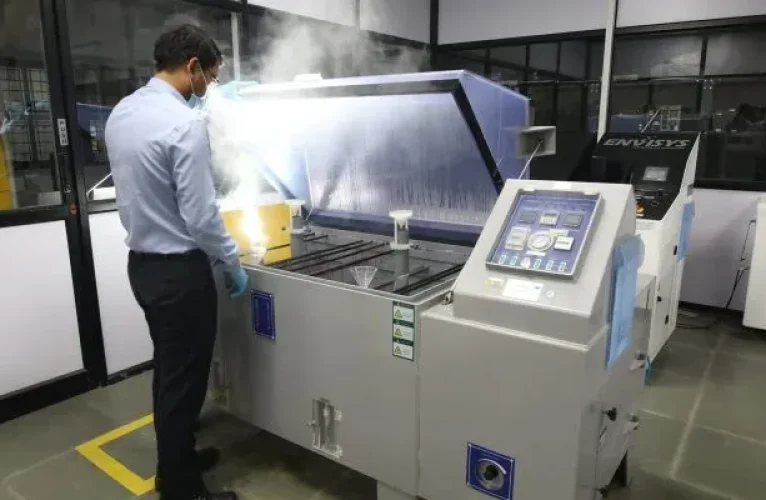
Environmental protection has become a major priority for industries, governments, and communities worldwide. With increasing concerns about pollution, climate change, industrial waste, and the depletion of natural resources, monitoring environmental conditions is more important than ever. Environmental Testing plays a vital role in identifying contaminants, evaluating environmental quality, and ensuring compliance with applicable environmental regulations. It helps organizations understand their environmental impact and take appropriate measures to protect public health and natural ecosystems.
Professional Environmental Testing Laboratories provide specialized testing services that help businesses, industries, and regulatory authorities make informed decisions. By analyzing samples of air, water, soil, and other environmental materials, these laboratories support pollution prevention, sustainable development, and responsible industrial practices.
What Is Environmental Testing?
Environmental Testing is the scientific process of analyzing environmental samples to identify pollutants, hazardous substances, and other factors that may affect environmental quality. It involves collecting and examining samples from different sources to determine whether they meet established safety standards and regulatory requirements.
Testing can cover several environmental parameters, including chemical contamination, heavy metals, microbial pollutants, particulate matter, and other potentially harmful substances. The results help determine the condition of the environment and identify potential risks to humans, animals, and plants.
Environmental testing is essential for industries such as manufacturing, pharmaceuticals, construction, agriculture, food processing, and energy production. These sectors often need reliable environmental data to manage waste, reduce emissions, and demonstrate compliance with applicable environmental laws.
Importance of Environmental Testing in Modern Industries
Environmental Testing offers numerous benefits for organizations that want to maintain safe operations while minimizing their environmental footprint.
1. Protection of Public Health
Contaminated air, water, and soil can expose people to harmful substances and increase the risk of health problems. Environmental testing helps identify potential hazards before they become serious concerns. Regular monitoring supports early intervention and helps protect workers, nearby communities, and consumers.
2. Regulatory Compliance
Many industries must comply with environmental standards governing emissions, wastewater discharge, waste disposal, and contamination levels. Environmental testing provides documented results that organizations can use to evaluate compliance, prepare reports, and support environmental audits.
3. Pollution Prevention
Testing helps identify pollution sources and assess the effectiveness of control measures. By understanding the types and concentrations of contaminants present, organizations can implement appropriate treatment systems, improve operational processes, and reduce the release of harmful substances.
4. Support for Sustainable Development
Sustainability requires responsible resource management and reduced environmental damage. Environmental testing provides the information needed to evaluate environmental performance, monitor improvement initiatives, and develop strategies that support long-term sustainability.
Services Offered by Environmental Testing Laboratories
Environmental Testing Laboratories use specialized instruments, validated analytical methods, and trained professionals to evaluate different environmental samples. Their services vary according to industry requirements and the type of analysis needed.
1. Water and Wastewater Testing
Water testing evaluates the quality of drinking water, groundwater, surface water, and industrial wastewater. Common parameters include pH, turbidity, dissolved oxygen, chemical oxygen demand, biological oxygen demand, heavy metals, and microbial contamination. These analyses help assess water safety, treatment effectiveness, and wastewater discharge quality.
2. Air Quality Testing
Air quality testing identifies pollutants that may affect human health and the surrounding environment. It may include the measurement of particulate matter, gases, volatile organic compounds, and industrial emissions. These services help organizations monitor workplace conditions, assess emission sources, and improve air pollution control practices.
3. Soil and Sediment Testing
Soil testing is important for evaluating land quality, detecting contamination, and determining whether an area is suitable for agriculture, construction, or redevelopment. Laboratories may analyze soil for heavy metals, petroleum hydrocarbons, pesticides, and other contaminants that could affect ecosystems and groundwater.
4. Industrial Emission Monitoring
Industries that operate boilers, furnaces, generators, and manufacturing equipment may require emission monitoring to assess the release of pollutants. Testing helps identify emission levels and evaluate whether pollution control equipment is operating effectively.
5. Hazardous Waste Analysis
Environmental laboratories can analyze waste samples to identify hazardous characteristics and determine appropriate handling, treatment, and disposal requirements. Accurate analysis helps organizations reduce environmental risks and follow applicable waste management regulations.
How to Choose the Right Environmental Testing Laboratories
Selecting a reliable laboratory is essential for obtaining accurate and meaningful results. Organizations should consider several factors before choosing a testing partner.
First, check whether the laboratory has relevant accreditation, such as ISO/IEC 17025, where applicable, and whether its accreditation scope covers the required tests. Accreditation provides confidence that specified testing activities meet recognized competence requirements.
Second, evaluate the laboratory’s technical expertise, equipment, analytical methods, and experience with your industry. A qualified laboratory should follow appropriate sampling procedures, maintain quality control, and provide clear, comprehensive reports.
Turnaround time, sample transportation arrangements, customer support, and transparent pricing are also important considerations. Organizations should confirm that the laboratory can meet their project requirements without compromising analytical quality.
The Role of Technology in Environmental Testing
Modern technology is improving the accuracy and efficiency of environmental analysis. Advanced analytical instruments, automated testing systems, digital reporting platforms, and real-time monitoring solutions allow laboratories to detect contaminants more effectively and process large volumes of samples.
Technological advancements also help organizations track environmental trends, identify emerging risks, and make timely decisions. When combined with appropriate sampling practices and quality assurance procedures, these innovations strengthen environmental monitoring programs.
Conclusion
Environmental Testing is an essential part of environmental management, pollution control, and sustainable industrial development. It helps identify contaminants, protect public health, improve resource management, and support compliance with environmental regulations.
Choosing experienced and properly qualified Environmental Testing Laboratories enables organizations to obtain dependable analytical data and make informed decisions about their environmental responsibilities. As environmental challenges continue to grow, regular testing and effective monitoring will remain crucial for building cleaner, safer, and more sustainable communities.
By investing in reliable environmental testing services, businesses can reduce environmental risks, improve operational practices, and contribute to a healthier future for generations to come.