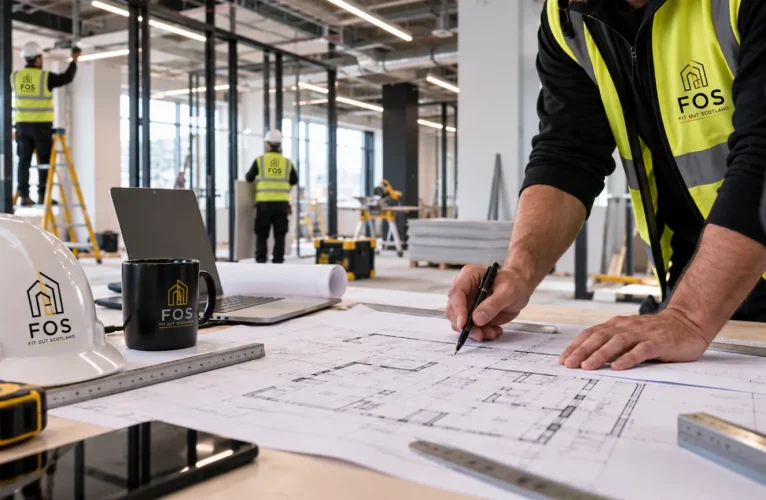
Scotland is renowned for its historic buildings, traditional stone properties, and distinctive architectural heritage. From centuries-old cottages to Victorian townhouses and modern commercial premises, every building requires proper care to maintain its appearance, safety, and value. Over time, exposure to harsh weather, moisture, and general wear can cause structural damage and deterioration. This is where professional Building Restoration Scotland services play an essential role in preserving properties and extending their lifespan.
Whether you own a residential property, manage a commercial building, or oversee a historic structure, choosing experienced professionals can help protect your investment. Working with reliable Building Contractors in Scotland ensures that restoration projects are completed with attention to detail, suitable materials, and an understanding of local building requirements.
Why Is Building Restoration Important in Scotland?
Scotland’s climate can be challenging for buildings. Frequent rainfall, strong winds, cold temperatures, and seasonal changes can affect external walls, roofs, stonework, and foundations. When these issues are left untreated, minor defects can develop into expensive repairs.
Professional building restoration addresses existing damage while helping prevent future deterioration. Restoration work may include repairing masonry, replacing damaged roof materials, improving drainage, restoring traditional features, and treating damp-related problems.
For older properties, restoration is particularly important because original materials and construction methods often require specialist knowledge. Preserving these features helps maintain the building’s character while improving its durability and usability.
Common Building Restoration Services
Professional restoration projects can involve a variety of services depending on the property’s age, condition, and intended use.
1. Stonework and Masonry Restoration
Stone buildings are an important part of Scotland’s architectural identity. However, weather exposure and unsuitable previous repairs can damage stone surfaces and mortar joints. Skilled contractors can assess the condition of the masonry, repair deteriorated areas, and undertake appropriate repointing to improve weather resistance and preserve the original appearance.
2. Roof Repairs and Restoration
A damaged roof can allow water to enter a building, causing dampness, timber decay, and damage to internal finishes. Restoration services may include replacing broken tiles or slates, repairing flashing, improving drainage, and addressing defects around chimneys.
Regular roof inspections can identify potential problems early and reduce the risk of costly structural repairs.
3. Damp Proofing and Water Damage Repairs
Dampness is a common concern in many Scottish properties. It can result from leaking gutters, damaged pointing, poor ventilation, or other moisture-related issues. A professional assessment helps identify the underlying cause before suitable repairs are recommended.
Addressing the source of moisture is essential for achieving lasting results rather than simply covering visible signs of damage.
4. Interior and Exterior Renovation
Building restoration may also include repairing plasterwork, refreshing external finishes, upgrading damaged flooring, and improving interior spaces. These improvements can make a property more comfortable and functional without compromising its original character.
Choosing the Right Building Contractors in Scotland
Selecting the right contractor is one of the most important decisions in any restoration project. An experienced team can help you understand the building’s condition, establish realistic priorities, and plan the work effectively.
When comparing Building Contractors in Scotland, consider the following factors:
- Relevant experience: Look for contractors with experience in projects similar to yours, particularly if your property is historic or has specialised construction features.
- Clear quotations: Request a detailed breakdown of labour, materials, preparation, and any additional costs.
- Quality materials: Ensure that the proposed materials are suitable for the building’s construction and exposure to local weather conditions.
- Health and safety: Confirm that appropriate safety procedures, insurance, and project management arrangements are in place.
- References and previous work: Review completed projects and client feedback to understand the contractor’s workmanship and reliability.
A professional contractor should communicate clearly throughout the project and explain any unexpected issues before proceeding with additional work.
Benefits of Professional Building Restoration
Investing in professional restoration offers several long-term advantages. First, it can help maintain or improve property value by addressing visible defects and protecting important structural elements. Well-maintained buildings are also more attractive to prospective buyers, tenants, and visitors.
Second, restoration can extend a building’s useful life. Repairing damaged masonry, roofs, and other essential components helps reduce the likelihood of further deterioration.
Third, restoration can improve energy efficiency and comfort when the project appropriately addresses draughts, insulation, ventilation, and other building-performance issues. These improvements should be designed with the property’s age and construction in mind, especially where traditional buildings are concerned.
Finally, sensitive restoration preserves architectural character. Rather than replacing original features unnecessarily, a carefully planned project aims to retain and repair what can reasonably be saved.
Understanding Planning and Building Regulations
Some restoration projects require additional checks before work begins. Properties that are listed or located within conservation areas may be subject to specific planning or heritage requirements. Depending on the proposed work, permissions or consents may be necessary.
Building regulations may also apply to alterations, structural repairs, and changes to the property’s use or performance. Consulting the relevant local authority and selecting contractors familiar with Scottish requirements can help prevent delays and ensure that the work follows the appropriate procedures.
It is advisable to establish these requirements during the planning stage rather than waiting until construction has started.
How to Plan a Successful Restoration Project
A successful restoration begins with a thorough assessment. Identify visible defects, arrange professional inspections where necessary, and establish which repairs are most urgent. Structural safety and water ingress should generally receive priority over cosmetic improvements.
Next, set a realistic budget and project schedule. Allow for unexpected repairs, as older buildings may reveal hidden defects once work begins. Agree on the scope of work, materials, payment arrangements, and communication procedures with your chosen contractor.
Finally, maintain regular communication throughout the project. Reviewing progress and resolving questions promptly can help keep the work organised and aligned with your expectations.
Conclusion
Building restoration is an important investment in Scotland’s architectural heritage, property value, and long-term building performance. From traditional stonework and roof repairs to damp treatment and complete renovations, professional restoration helps buildings remain safe, attractive, and functional.
By choosing experienced Building Contractors in Scotland, property owners can benefit from appropriate repair methods, quality workmanship, and a well-managed restoration process. If your property is showing signs of deterioration or requires modern improvements, exploring professional Building Restoration Scotland services is a practical first step towards protecting its future.