Modern architecture is constantly evolving, with designers exploring innovative ways to combine aesthetics, functionality, and sustainability. One of the most exciting developments in contemporary architecture is parametric facade design, an approach that uses computational tools and algorithms to create dynamic, responsive, and visually striking building exteriors. By adjusting design parameters such as geometry, material, light, and texture, architects can develop unique facades that respond to both environmental conditions and project requirements.
Among the many applications of this technology, the parametric brick facade stands out for its ability to transform a traditional building material into an expressive architectural feature. By combining the timeless appeal of brick with digital design techniques, architects can create intricate patterns, improve ventilation, control sunlight, and add depth to building surfaces.
What Is Parametric Facade Design?
Parametric facade design is an architectural process in which building exteriors are developed using rules, variables, and computational algorithms. Instead of manually designing every element, architects establish a system of parameters that controls the facade’s shape, pattern, orientation, and arrangement.
These parameters can be modified to explore multiple design possibilities quickly. For example, changing the angle of a shading element, the spacing between bricks, or the depth of a facade pattern can generate an entirely new visual effect without rebuilding the entire model.
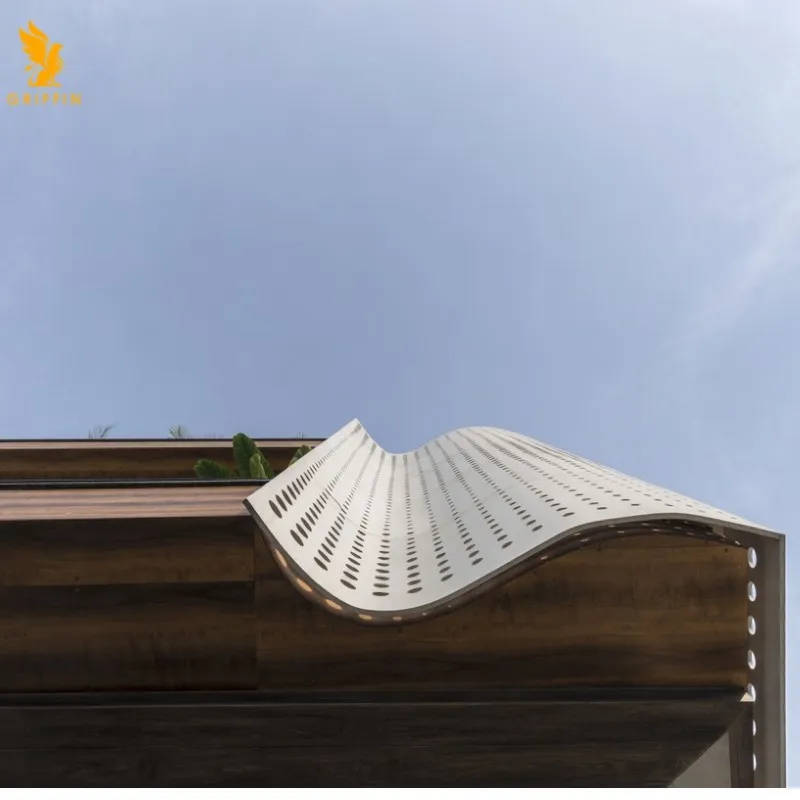
Architects commonly use digital tools such as Rhino, Grasshopper, and other computational design platforms to develop and test these systems. The resulting designs can range from fluid geometric surfaces to complex perforated screens and modular brick arrangements.
Beyond visual appeal, parametric facade design helps architects respond to practical considerations, including daylight, solar heat gain, privacy, ventilation, and material efficiency. This makes it a valuable approach for residential, commercial, institutional, and cultural buildings.
Understanding the Parametric Brick Facade
Brick has been used in architecture for centuries because of its durability, versatility, and natural character. Traditionally, brick facades have relied on repetitive patterns and conventional masonry techniques. However, computational design has expanded the creative possibilities of this familiar material.
A parametric brick facade uses digitally generated rules to determine the position, rotation, spacing, projection, or orientation of individual bricks. These variations can produce geometric patterns, perforated surfaces, sculptural textures, and visually engaging transitions across a building envelope.
For instance, bricks can be arranged at different angles to create a screen that filters sunlight while allowing air to circulate. Alternatively, variations in brick projection can generate shadows that change throughout the day, giving the building a dynamic appearance.
The approach also allows architects to develop customized patterns that respond to the building’s orientation, surrounding environment, and functional needs. As a result, a parametric brick facade can become more than a decorative surface; it can serve as an integrated architectural system.
Key Benefits of Parametric Brick Facades
1. Creative Freedom and Unique Aesthetics
One of the greatest advantages of parametric brick facades is the freedom to explore complex geometries and patterns. Architects can move beyond standard brick bonds and develop distinctive designs that establish a strong visual identity.
From subtle variations in texture to intricate perforated screens, parametric techniques allow brickwork to become an important part of a building’s architectural expression.
2. Improved Daylight and Solar Control
A carefully designed brick facade can help regulate the amount of sunlight entering interior spaces. By adjusting brick orientation, spacing, and density, architects can create areas with different levels of shading.
This approach is particularly useful in regions with intense sunlight, where facade design plays an important role in managing glare and solar heat gain. However, performance depends on building orientation, climate, and the overall facade assembly.
3. Natural Ventilation and Privacy
Perforated brick screens can encourage airflow while maintaining a degree of privacy. Parametric design makes it possible to vary opening sizes and screen density according to the requirements of different spaces.
This can be useful for balconies, courtyards, educational buildings, commercial developments, and semi-open transitional spaces.
4. Material Optimization
Digital modeling allows architects to evaluate different brick arrangements before construction begins. By coordinating geometry, dimensions, and construction details, designers can reduce unnecessary complexity and identify opportunities to use materials more efficiently.
Although complex patterns may require additional cutting, specialized installation, or custom components, early digital coordination can help control waste and improve constructability.
The Role of Technology in Parametric Facade Design
Technology plays a central role in translating architectural concepts into buildable designs. Software such as Rhino and Grasshopper enables architects to create rule-based models, test geometric variations, and coordinate facade components.
Environmental analysis tools can also help evaluate daylight, solar exposure, and other performance factors. Three-dimensional modeling and digital fabrication workflows may support the production of prototypes, installation guides, and customized components.
For a parametric brick facade, these technologies can help establish precise brick positions, identify potential clashes, and communicate complex arrangements to contractors. Nevertheless, digital models must be coordinated with structural requirements, mortar joints, tolerances, drainage, weather resistance, and local building regulations.
Physical mock-ups remain important because they allow designers to evaluate the appearance, stability, and practical assembly of the proposed brickwork before full-scale construction.
Challenges to Consider
Despite its advantages, parametric facade design requires careful planning. Complex geometries can increase design time, fabrication costs, and installation difficulty. Brick patterns must also account for structural support, movement joints, moisture management, and long-term durability.
Successful implementation depends on collaboration between architects, facade consultants, structural engineers, contractors, and brick manufacturers. Selecting a pattern that balances visual ambition with construction practicality is essential for achieving reliable results.
Conclusion
Parametric facade design is reshaping the way architects approach building exteriors by combining computational creativity with functional performance. Within this evolving field, the parametric brick facade demonstrates how a traditional material can be reimagined through geometry, digital modeling, and innovative construction techniques.
By offering opportunities for distinctive aesthetics, solar control, ventilation, privacy, and material optimization, parametric brickwork can contribute to architecture that is both expressive and responsive to its environment.
As computational tools and construction methods continue to advance, parametric brick facades are likely to become an increasingly valuable option for architects seeking to create memorable, context-sensitive, and thoughtfully designed buildings.