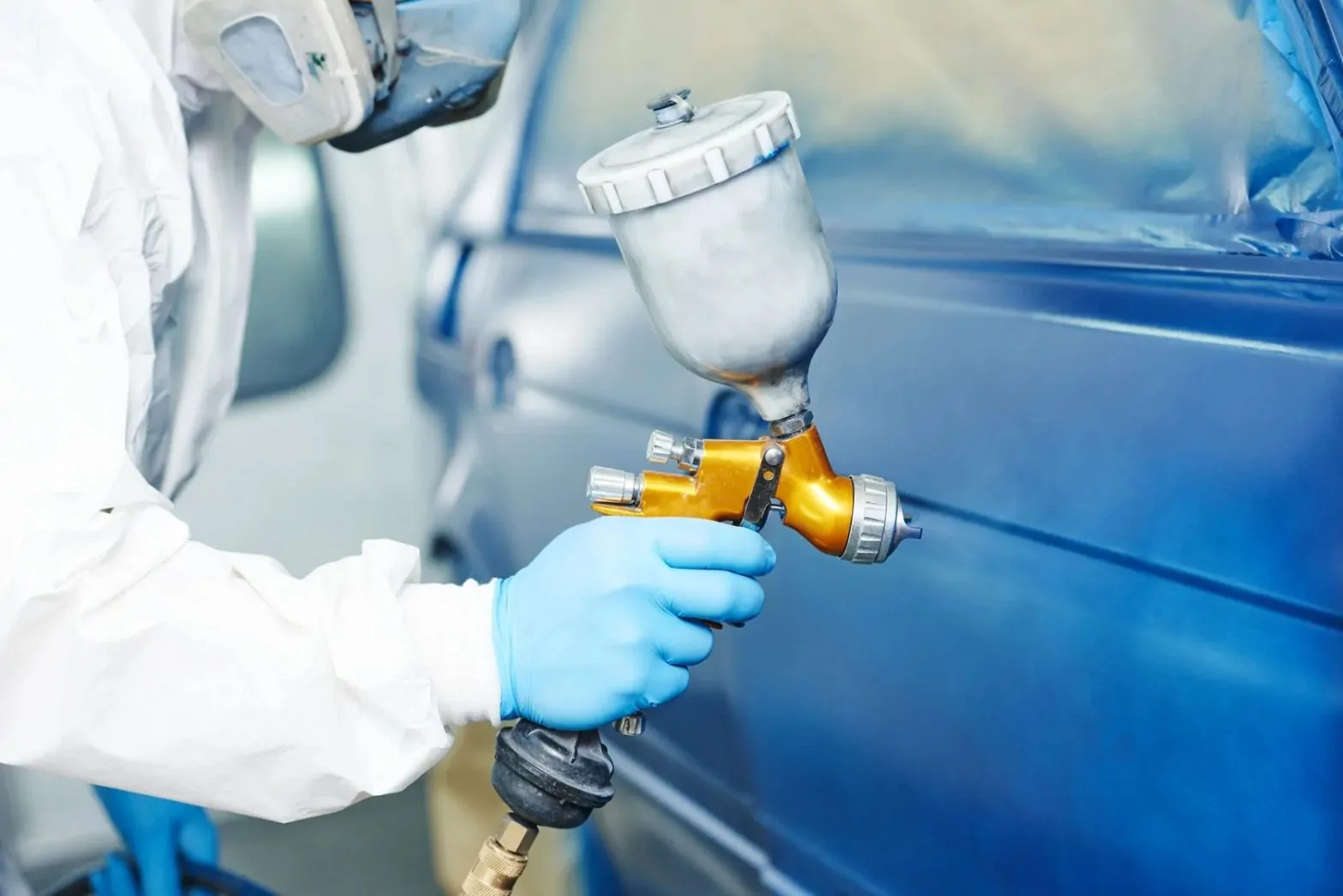
Paint plays an important role in protecting surfaces, improving appearance, and extending the service life of products. From industrial machinery and automotive components to metal structures and household products, coatings must withstand different environmental and operational conditions. Choosing the right paint is only one part of the process; manufacturers must also ensure that the coating performs as expected. This is where Paint Testing Services become valuable, helping businesses evaluate coating properties, identify potential weaknesses, and maintain consistent quality.
Why Paint Quality Matters
Paint is more than a decorative finish. It can protect surfaces against corrosion, moisture, chemical exposure, abrasion, and other forms of deterioration. A coating that performs poorly may peel, crack, fade, or lose adhesion, reducing both the appearance and functionality of the finished product.
For manufacturers, coating failures can lead to customer complaints, additional maintenance, production delays, and costly rework. Testing helps identify possible issues before coated products are delivered to customers. By understanding coating performance, businesses can make better decisions about formulation, application methods, and quality control.
Common Properties Evaluated During Paint Testing
Different coatings are designed for different applications, so the testing process should reflect the product’s intended use. Several properties can be evaluated to understand how a paint system performs.
Adhesion testing examines how effectively a coating bonds to the underlying surface. Poor adhesion can result in peeling or flaking, particularly when the coated product experiences environmental changes or mechanical stress.
Hardness testing evaluates a coating’s resistance to indentation or surface damage. This can be important for products that are handled frequently or exposed to contact with other materials.
Abrasion resistance testing helps determine how well a coating withstands rubbing and repeated friction. It is especially relevant for surfaces that experience regular handling or mechanical wear.
Depending on the coating and application, additional evaluations may include film thickness, flexibility, impact resistance, drying characteristics, and resistance to environmental exposure. Selecting suitable methods ensures that test results address the actual performance requirements of the product.
The Importance of Mechanical Testing Services for Coated Products
Painted products often experience physical forces during manufacturing, transportation, installation, and everyday use. A coating may look attractive immediately after application but still be vulnerable to cracking, chipping, or damage when the underlying material bends or receives an impact.
Mechanical Testing Services can help manufacturers evaluate relevant mechanical properties of materials and components associated with these applications. Depending on the scope of testing, assessments may provide information about strength, hardness, flexibility, and resistance to particular forms of mechanical loading.
For example, a painted metal component may be exposed to bending during fabrication. If the coating cannot accommodate the required deformation, cracks may develop and expose the substrate beneath it. Similarly, a component subjected to impact may require an appropriate combination of substrate properties and coating performance.
It is important to distinguish between testing the underlying material and testing the coating itself. Mechanical testing of a substrate does not automatically establish coating durability. A suitable evaluation plan should include coating-specific tests whenever the coating’s performance is the main concern.
How Testing Supports Better Manufacturing Decisions
Reliable test results help manufacturers move beyond assumptions and make decisions based on measurable evidence. If a coating fails to meet the required specification, the company can investigate possible causes before proceeding with large-scale production.
Potential causes may include incorrect surface preparation, unsuitable coating thickness, application inconsistencies, improper curing, or incompatibility between the coating and substrate. Testing can help identify performance problems, although additional investigation may be necessary to determine their exact cause.
Testing also supports comparisons between coating systems. A manufacturer evaluating two protective finishes may compare their adhesion, hardness, or resistance to specified environmental conditions. The results can help the company select a suitable option for the intended application.
Consistent testing throughout production can further improve quality assurance. By monitoring relevant properties across batches, businesses can identify variations and take corrective action when necessary.
Selecting Suitable Testing Methods and Standards
The right testing method depends on the coating type, substrate, intended service conditions, and applicable specifications. A decorative indoor coating may require different evaluations from a protective coating used in an industrial or outdoor environment.
Manufacturers should define their performance requirements before selecting tests. Factors such as expected temperature changes, moisture exposure, chemical contact, handling, and abrasion can influence the testing plan.
Where industry standards or customer specifications apply, the laboratory should use the appropriate methods and clearly document the testing conditions. Results are most useful when they can be compared with established acceptance criteria.
Businesses should also review a laboratory’s equipment, technical expertise, reporting practices, and relevant accreditation scope when choosing a testing partner. Clear communication about product requirements helps ensure that the selected tests provide meaningful information.
Improving Product Reliability Through Quality Control
Effective coating quality control involves more than testing the finished product. Manufacturers can benefit from monitoring the entire coating process, including surface preparation, material storage, application, curing, and final inspection.
Testing can complement these activities by providing objective information about coating and material performance. When results reveal an inconsistency, production teams can review the relevant process and determine whether adjustments are needed.
This approach can reduce avoidable rework and support more consistent product quality. However, testing should form part of a broader quality management system rather than being treated as a guarantee against every possible coating failure.
Conclusion
Paint quality and durability are essential considerations for manufacturers seeking reliable, attractive, and long-lasting products. Appropriate testing helps evaluate coating properties, identify potential weaknesses, and support informed decisions about materials and production processes.
By combining coating-specific evaluations with relevant mechanical assessments, businesses can develop a clearer understanding of how painted products are likely to perform. Working with a qualified testing laboratory and following suitable standards can further strengthen quality assurance, reduce the risk of preventable defects, and improve confidence in finished products.