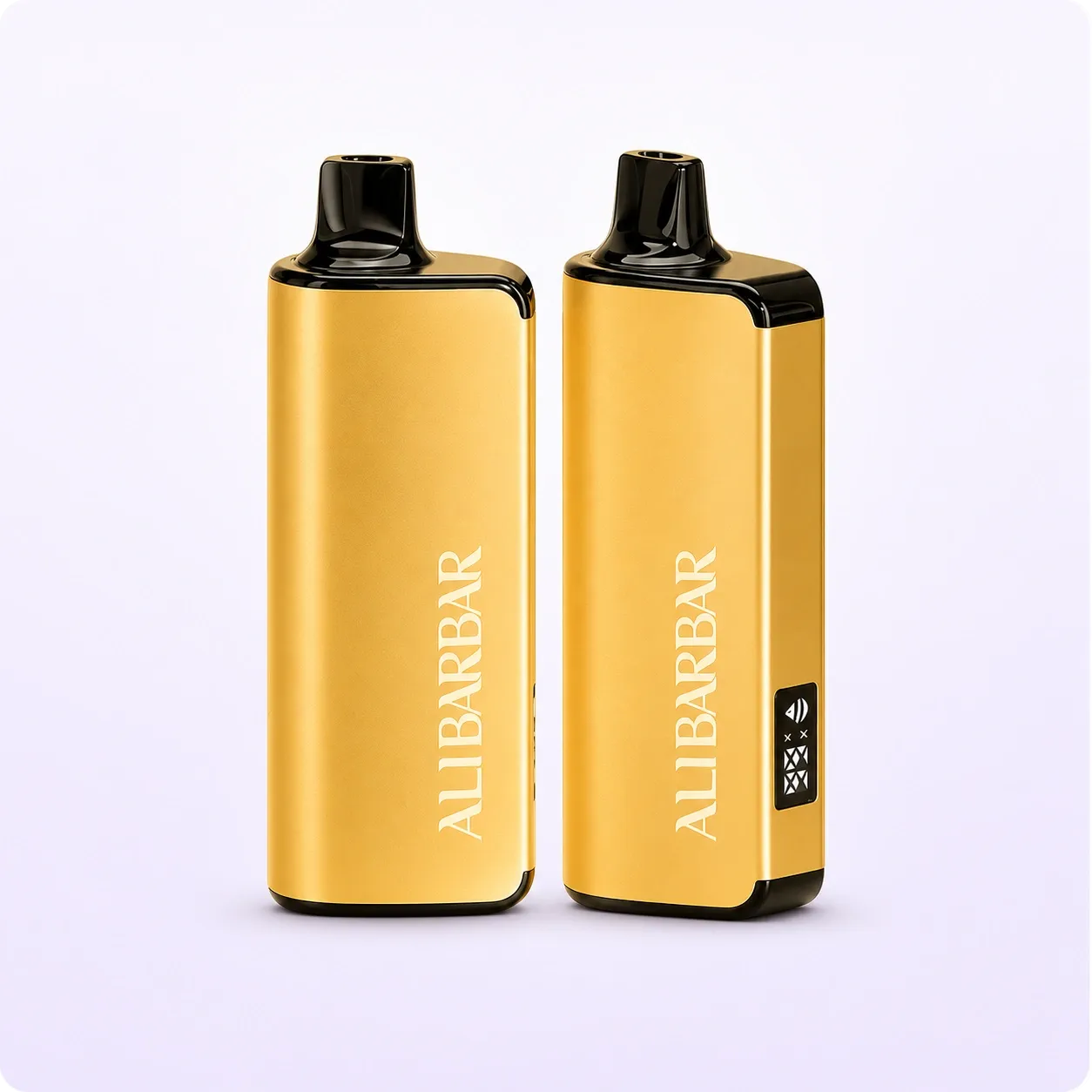
Vaping products are often discussed through their flavour descriptions, device names and advertised specifications. Search phrases such as alibarbar 9000 flavours list reflect how consumers may look for information about the variety of flavours associated with vaping products. However, flavour descriptions alone cannot explain a product’s ingredients, nicotine content or potential health effects. Understanding these details is important when considering consumer safety.
Australia has introduced strict vaping regulations to reduce the availability of non-therapeutic products and address concerns about nicotine dependence. Accurate labelling, regulatory oversight and public health education all play important roles in helping consumers understand the risks associated with vaping.
1. Why Vape Flavour Labelling Matters
Product labelling provides information about ingredients, nicotine content, warnings and other relevant characteristics. In the vaping industry, however, flavour names are often more noticeable than detailed ingredient information.
A flavour description may communicate an intended taste or aroma, but it does not identify every chemical used in the liquid. Two products with similar flavour names may also contain different formulations.
Consumers should understand that familiar flavour descriptions do not establish that a product is safe to inhale. Accurate ingredient information and independent regulatory oversight are essential for consumer protection.
2. Understanding Flavour Names and Ingredients
Terms such as alibarbar mango magic illustrate how fruit-inspired names can appear in vaping-related discussions. Such names describe marketing terminology rather than providing a scientific assessment of a liquid’s composition.
Some flavouring chemicals used in food products may not be suitable for inhalation. Heating a liquid can also change its chemical composition and produce substances that may irritate the respiratory system.
For this reason, a product should not be considered harmless simply because its flavour name sounds familiar or resembles an ordinary food or drink.
3. How Nicotine Affects the Human Body
Nicotine is a highly addictive substance that can lead to physical dependence. Repeated exposure may cause cravings and withdrawal symptoms when a person attempts to stop using nicotine products.
Potential effects include:
- Increased heart rate
- Dizziness and headaches
- Nausea
- Nicotine cravings
- Difficulty concentrating during withdrawal
- Dependence and repeated use
Nicotine exposure is especially concerning for adolescents and young adults because the brain continues developing into early adulthood.
People who do not smoke or use nicotine should avoid starting to vape.
4. Why Accurate Nicotine Information Is Important
Consumers need reliable information to understand whether a vaping product contains nicotine and what potential risks may be involved.
Inaccurate, incomplete or misleading labels can make it difficult to assess exposure. This is particularly concerning when products are advertised online without clear ingredient details or appropriate warnings.
Regulatory standards help establish requirements for products supplied through legal therapeutic pathways. Consumers should not rely entirely on packaging or seller descriptions when assessing product safety.
5. Australia’s Regulations on Vaping Products
Australia has introduced strict national controls covering the importation, manufacture, supply, possession and advertising of vaping products.
Non-therapeutic disposable vapes cannot legally be supplied through ordinary retail businesses, including vape shops, tobacconists, convenience stores and general online retailers.
The Therapeutic Goods Administration (TGA) regulates therapeutic vaping products. Eligible products may be supplied through participating pharmacies under applicable legal and clinical requirements.
The regulations also establish requirements concerning product characteristics, packaging and permitted flavours. Consumers should consult current TGA guidance for accurate information.
6. Understanding the Health Risks of Vaping Aerosols
Vaping devices heat liquids to produce aerosols that users inhale. These aerosols are not simply water vapour and may contain fine particles and chemical substances.
Potential health concerns include throat irritation, coughing, respiratory discomfort and exposure to substances that may affect the body.
Research into the long-term effects of vaping is continuing. Nevertheless, vaping should not be considered risk-free, and people who have never used nicotine products should avoid starting.
7. Consumer Awareness and Misleading Product Claims
Consumers may encounter online descriptions that make claims about flavour quality, ingredients, nicotine content or product safety.
Such claims should be assessed carefully. A familiar flavour name, attractive packaging or advertised technical specification does not demonstrate that a product has been independently assessed or legally approved.
The TGA and other Australian government authorities provide information about current regulations and public health concerns. Checking official sources is more reliable than depending on promotional descriptions.
8. Environmental Considerations
Disposable vaping devices contain batteries, plastic, electronic circuits and liquid containers. These materials can create environmental problems when discarded incorrectly.
Lithium-ion batteries may cause fires if damaged or placed in unsuitable waste collection systems. Consumers should follow local council instructions and use appropriate battery and electronic waste collection facilities.
Responsible disposal helps reduce unnecessary pollution and electronic waste.
9. Getting Support to Quit Vaping
People experiencing nicotine dependence can seek assistance from a doctor, pharmacist or qualified healthcare professional.
Support may include behavioural counselling, quit planning and clinically appropriate treatments for nicotine dependence.
In Australia, Quitline provides confidential assistance to people who want to stop smoking or vaping. It can be contacted on 13 7848.
Professional guidance can help individuals manage cravings, understand withdrawal symptoms and develop a practical quitting plan.
Conclusion
Flavour labelling and nicotine regulations play important roles in consumer safety. Product names and flavour descriptions do not provide sufficient evidence about ingredients, inhalation safety or legal approval.
Australia’s vaping framework aims to reduce access to non-therapeutic products while ensuring appropriate oversight of therapeutic vaping products. Consumers should rely on official information, understand the health risks and seek professional support when dealing with nicotine dependence.