Moving to a new country can bring many exciting opportunities, but it also involves learning new rules and procedures. If you already hold a driving licence from another country, understanding overseas license conversion can help you determine what steps are required before driving independently. The process may depend on your current licence, the country where it was issued, your residency status, and the applicable local regulations.
What Is Overseas Licence Conversion?
Overseas licence conversion refers to the process of obtaining a local driving licence using an existing licence issued by another country. It allows eligible drivers to apply for recognition of their previous driving experience, subject to the requirements of the relevant transport authority.
The process is not identical for everyone. Some licence holders may qualify for a direct conversion, while others may need to complete additional assessments or meet specific eligibility conditions.
Before starting, check the official licensing requirements that apply to your circumstances. This helps you understand whether you need documents, knowledge assessments, practical driving tests, or other steps.
Why Understanding Local Road Rules Matters
Driving regulations and road conditions can differ significantly between countries. Even experienced drivers may need time to adjust to unfamiliar road signs, traffic systems, speed limits, and driving expectations.
For example, drivers who move from a country where vehicles are driven on the right side of the road may need additional practice when adapting to left-side driving. Road markings, roundabouts, intersections, and give-way rules may also work differently.
Learning these differences is essential for safe driving. Understanding local regulations can also help drivers prepare for any assessments required as part of the licensing process.
How a Driving School Can Help
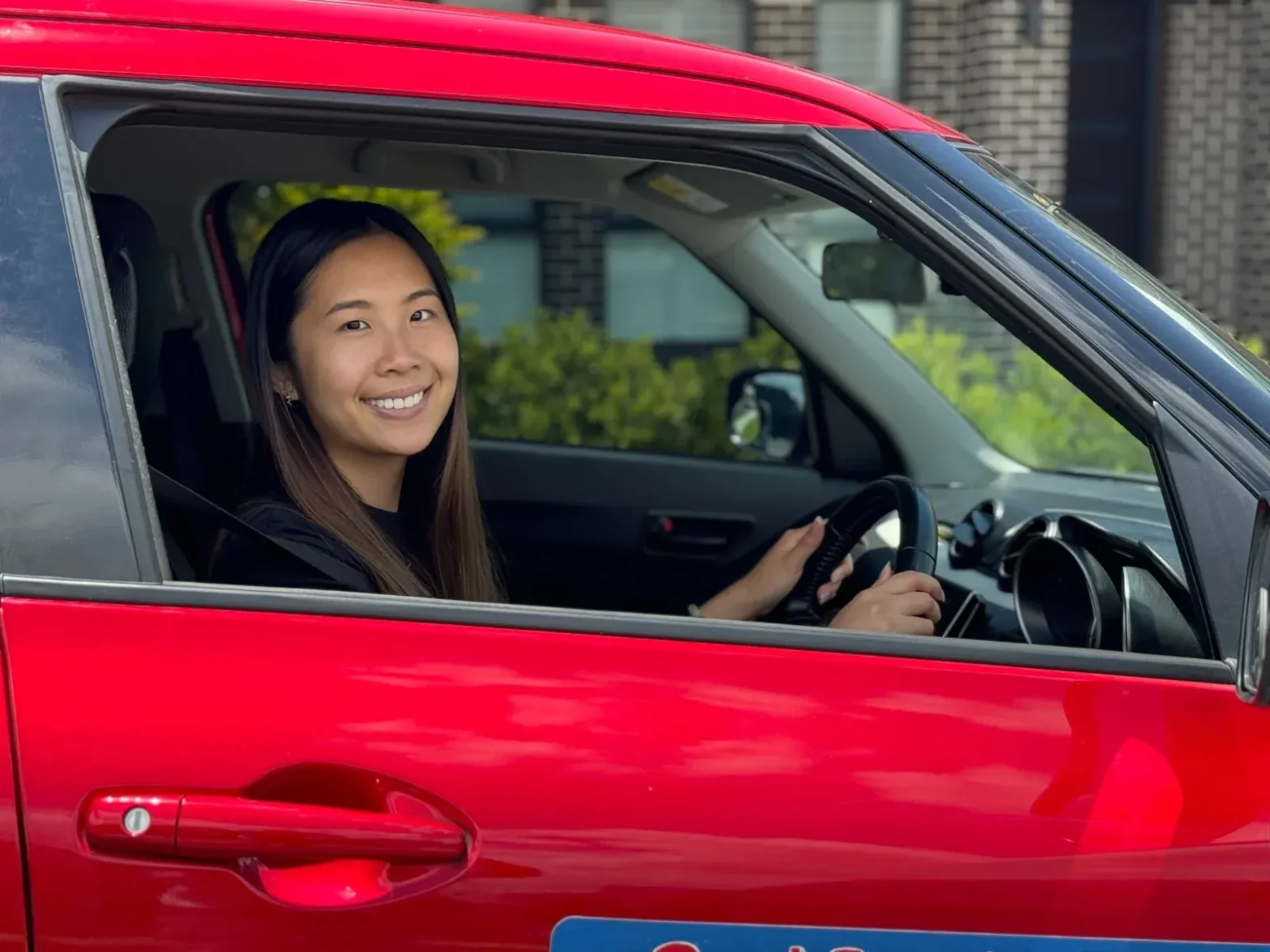
A professional Driving school can support learners and overseas licence holders who want to improve their understanding of local driving practices. Lessons can focus on vehicle control, road awareness, parking, lane positioning, and responding safely to different traffic situations.
Even if you have years of driving experience, local instruction can help you identify habits that may need adjustment. An instructor can explain unfamiliar road rules and provide feedback on areas that require improvement.
Lessons can also be useful for drivers who need to prepare for a practical assessment. Practising with guidance can help you become more comfortable with local traffic conditions and understand what safe driving requires.
Documents and Requirements to Check
Before applying for a licence conversion, review the requirements published by the relevant licensing authority. Depending on your circumstances, you may need to provide:
- Your current overseas driving licence.
- Proof of identity and residency, where required.
- An official translation if your licence is not in an accepted language.
- Evidence of your driving history, if requested.
- Additional documents specified by the licensing authority.
Requirements can change, so it is important to check the latest official information rather than relying only on advice from friends or online discussions.
Preparing for a Driving Assessment
Some applicants may need to complete a driving assessment before receiving a local licence. Preparation should focus on demonstrating safe and responsible driving rather than simply memorising test instructions.
Practise important skills such as checking mirrors, observing blind spots, maintaining a safe following distance, following speed limits, and using indicators correctly. You should also become familiar with parking, intersections, roundabouts, and lane changes.
If you have not driven for some time, consider taking lessons to refresh your skills. Regular practice can help you become more comfortable behind the wheel and identify areas that need attention.
Common Mistakes to Avoid
One common mistake is assuming that an overseas licence automatically provides permission to drive without restrictions. Eligibility and driving conditions depend on local regulations, so always confirm what applies to your situation.
Another mistake is overlooking document requirements. Missing paperwork or an expired licence may delay an application. Check all requirements before attending an appointment or submitting an application.
Drivers should also avoid underestimating the importance of local road knowledge. Previous experience is valuable, but it does not replace the need to understand the traffic laws and driving conditions of your new location.
Building Confidence on Local Roads
Adapting to a new driving environment takes time. Start by practising in familiar and less demanding areas before moving on to busier roads. Gradually increase the complexity of your practice as your confidence improves.
Pay attention to road signs, pedestrian crossings, cyclists, and changing traffic conditions. Maintain a calm attitude and avoid rushing decisions. These habits can help you become a more aware and responsible driver.
Final Thoughts
Understanding overseas licence conversion is an important step for anyone planning to drive after moving to a new country. Check the official eligibility rules, prepare the necessary documents, and identify whether any assessments or additional training are required.
Professional driving lessons can help you adapt to local road conditions and strengthen your driving skills. With accurate information, proper preparation, and consistent practice, you can work towards meeting local licensing requirements and driving safely with confidence.