Selecting the right adhesive can make a major difference in the quality and durability of a woodworking or DIY project. From furniture repairs to creative crafts, the bonding material needs to match the surfaces, working conditions, and expected strength. Adhesives PVA are widely used because they are versatile, convenient, and effective for many everyday applications. At the same time, wood and glue remain closely connected in woodworking because a properly selected adhesive can create strong, clean, and reliable joints.
Understanding PVA Adhesives
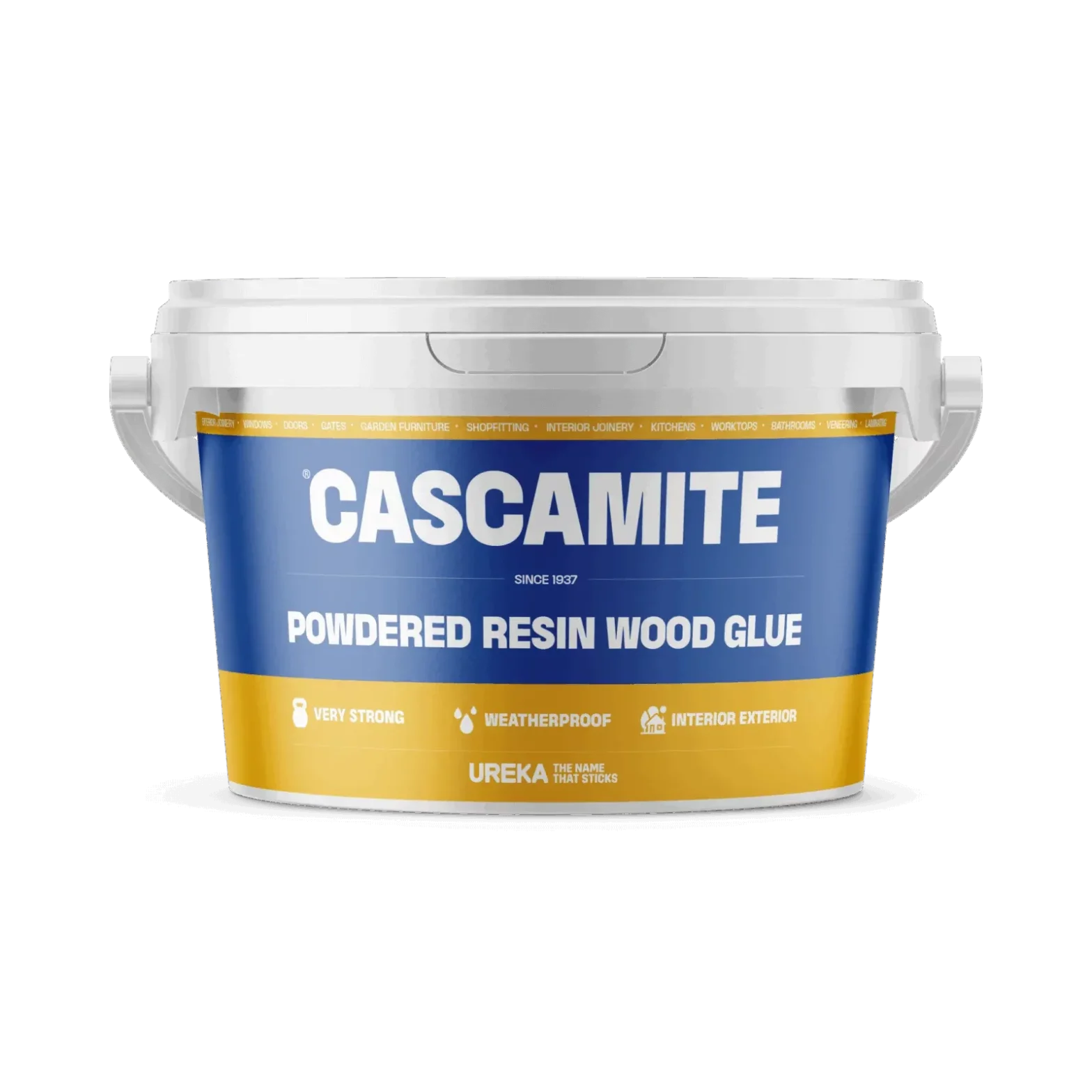
PVA stands for polyvinyl acetate, a polymer commonly used in water-based adhesive formulations. Adhesives PVA are popular because they are generally easy to spread, have relatively low odor, and can be cleaned with water while wet.
Different PVA formulations are available for different purposes. Some are designed for paper and crafts, while others are formulated specifically for woodworking. Their performance can vary depending on the product, so it is always important to check the manufacturer’s instructions.
For woodworking, PVA-based products are often appreciated for their straightforward application and ability to create strong bonds between properly prepared wooden surfaces.
Why PVA Is Popular for Woodworking
Woodworking requires an adhesive that can hold surfaces together while maintaining a clean appearance. PVA-based woodworking adhesives are commonly selected for projects such as cabinets, wooden boxes, furniture components, shelves, and decorative items.
One advantage is that many PVA products can be applied without complicated equipment. A brush, spreader, or suitable applicator is often enough to distribute the adhesive across the joint.
The adhesive should be applied evenly rather than excessively. Too much product can create unnecessary cleanup and may make it harder to achieve a properly fitted joint.
The Relationship Between Wood and Glue
The connection between wood and glue is fundamental to many woodworking techniques. A strong glued joint depends on more than the adhesive itself. Surface preparation, joint accuracy, clamping, temperature, moisture, and curing time can all affect the final result.
Wood surfaces should generally be clean and free from dust, oil, and loose material. The mating surfaces should fit together properly because adhesives are usually most effective when they can form consistent contact between the materials.
A poorly fitted joint cannot always be corrected simply by adding more glue.
Preparing Wood Before Applying Adhesive
Good preparation is one of the simplest ways to improve bonding results. Before applying adhesive, inspect the wood for dust, dirt, grease, or damaged areas.
If sanding is required, use an appropriate sanding method to create clean and compatible surfaces. Avoid leaving excessive dust behind after sanding.
The wood should also be appropriately dry for the adhesive being used. Excessive moisture can interfere with some water-based adhesives, while environmental conditions may affect drying time.
Following the product’s instructions is the safest way to determine suitable preparation requirements.
Applying PVA Adhesive Correctly
When using adhesives PVA, apply an even layer across the intended bonding area. The exact amount depends on the product and joint type.
After applying the adhesive, bring the pieces together carefully. Make sure they are correctly aligned before clamping.
Clamps can help maintain consistent pressure while the adhesive cures. However, excessive clamping pressure may force too much adhesive out of the joint. The recommended clamping and curing times should always come from the product manufacturer.
Choosing the Right Product
Not every PVA adhesive is appropriate for every application. A product designed for paper crafts may not provide the characteristics required for furniture construction.
For interior woodworking, a suitable woodworking PVA formulation may be a practical option. For applications exposed to humidity or water, choose a product specifically rated for those conditions.
When considering wood and glue combinations, also think about the type of wood involved. Some woods may contain natural oils or characteristics that affect adhesion. Manufacturers may provide specific recommendations for challenging materials.
Common Woodworking Mistakes
One frequent mistake is applying too much adhesive. A thick layer is not automatically stronger and can make the joint messy.
Another mistake is moving the project before sufficient curing has occurred. A surface may feel dry while the joint is still developing its final strength.
Poor alignment is another common problem. Once adhesive has been applied, repositioning pieces may become difficult as the product begins to set. Dry-fitting components before applying glue can make the final assembly much easier.
Storage and Handling
Proper storage can help maintain adhesive quality. Keep the container sealed when not in use and follow the manufacturer’s recommended storage temperature.
Avoid introducing sawdust, dirt, or other contaminants into the container. Clean the nozzle or applicator after use so that the adhesive remains easier to dispense during the next project.
Always read the safety and handling information supplied with the product before use.
Final Thoughts
Whether you are repairing furniture, building a wooden project, or completing a creative DIY task, choosing a suitable adhesive is essential. Adhesives PVA offer a versatile solution for many applications, particularly when the formulation is designed for the intended material.
Understanding the relationship between wood and glue can also help you achieve cleaner and more dependable results. Proper surface preparation, accurate joints, controlled application, suitable clamping, and adequate curing time are just as important as selecting the adhesive itself.
With careful product selection and good working practices, PVA-based adhesives can become a dependable part of many woodworking and craft projects.