Wood veneer is a beautiful way to add a natural, refined appearance to furniture, cabinets, doors, wall panels, and interior surfaces. However, achieving a smooth and long-lasting finish depends on more than selecting the right veneer. The adhesive used during installation plays an equally important role. A suitable adhesive for wood veneer helps create a strong bond while reducing the risk of bubbling, lifting, cracking, or uneven surfaces.
Whether you are working on a small DIY project or a professional woodworking job, understanding veneer adhesives can help you achieve better results and improve the lifespan of your finished work.
Why Choosing the Right Veneer Adhesive Matters
Wood veneer is thin and can react to changes in temperature and humidity. If the adhesive is poorly matched to the material or application, the veneer may separate from the substrate over time. In some cases, excessive moisture or uneven adhesive application can also cause warping.
A quality veneer adhesive is designed to provide reliable bonding between the veneer and materials such as MDF, plywood, particleboard, or solid wood. The right product should offer good adhesion, appropriate working time, and enough flexibility to accommodate normal movement in wood-based materials.
Common Types of Veneer Adhesives
Different woodworking projects require different adhesive technologies. Understanding the basic options makes it easier to choose the right product.
PVA Adhesives
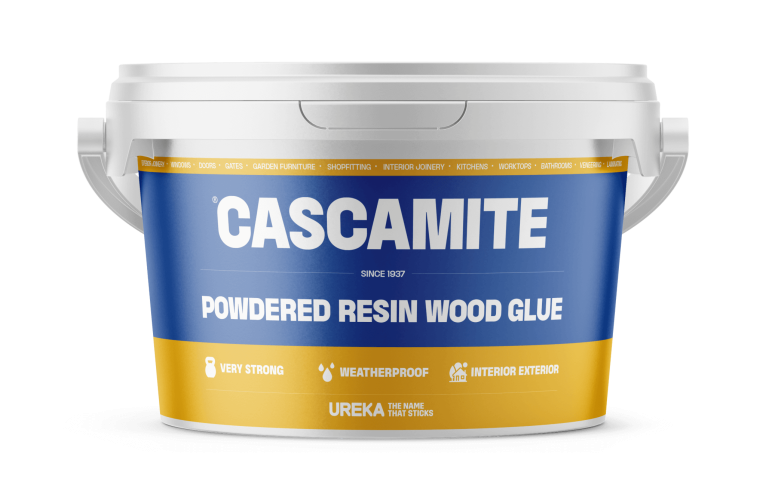
Polyvinyl acetate, commonly known as PVA, is widely used for woodworking applications. It is easy to apply, economical, and suitable for many interior veneer projects. PVA adhesives are available in different formulations, including products designed for faster setting or greater moisture resistance.
They can be a practical choice when working on furniture, cabinets, and other indoor projects where conditions are relatively stable.
Contact Adhesives
Contact adhesive can be useful when immediate bonding is required. It is often applied to both surfaces before the materials are brought together. Once the surfaces make contact, they form a strong bond.
This type of adhesive can be convenient for certain veneer applications, but careful positioning is essential because repositioning can be difficult after contact.
Hot-Melt Adhesives
Hot-melt systems use heat to activate the adhesive and create a bond. They can provide fast processing and are often used in manufacturing environments where efficiency is important. Their suitability depends on the veneer, substrate, equipment, and specific production requirements.
Reactive Adhesives
Reactive adhesives are formulated for applications where higher performance is required. Some offer strong resistance to moisture, heat, and demanding environmental conditions. They may be particularly useful in commercial or industrial woodworking projects.
Factors to Consider Before Buying
Selecting an adhesive for wood veneer should involve more than looking at the price. Several factors can influence the performance of the finished project.
Substrate: Determine what material the veneer will be attached to. MDF, plywood, particleboard, and solid wood can have different bonding characteristics.
Indoor or outdoor use: Interior applications generally have different requirements from projects exposed to humidity, water, or temperature fluctuations.
Open time: Consider how much time you need to position the veneer before the adhesive begins setting. Larger surfaces may require an adhesive with sufficient working time.
Pressing requirements: Some products work best under pressure from a veneer press, vacuum press, clamps, or another suitable system. Always follow the manufacturer’s instructions.
Moisture resistance: Kitchens, bathrooms, and other humid areas may require a more moisture-resistant adhesive than ordinary dry indoor applications.
How to Get a Better Veneer Bond
Surface preparation is just as important as the adhesive itself. Before applying the product, make sure both surfaces are clean, dry, and free from dust, grease, and loose material.
Apply the adhesive evenly according to the manufacturer’s recommended coverage. Too little adhesive can create weak areas, while excessive adhesive may make it difficult to achieve a flat finish.
Once the veneer is positioned, apply consistent pressure using the appropriate equipment. Proper pressure helps eliminate gaps and encourages uniform contact between the veneer and substrate.
After bonding, allow sufficient curing time before sanding, trimming, or handling the finished panel. Rushing the process can compromise the bond.
Avoiding Common Veneer Problems
Bubbles, lifting edges, and visible glue lines are common problems when veneer installation is not carried out correctly. Uneven substrate surfaces can prevent proper contact, while excessive moisture can contribute to swelling or movement.
Another common mistake is choosing an adhesive without considering the environment where the finished product will be used. A product that works well for a dry bedroom cabinet may not provide the same performance in a high-humidity location.
Following the adhesive manufacturer’s technical instructions is therefore essential for reliable results.
A Smart Approach to Veneer Projects
The best veneer adhesive is the one that matches the veneer, substrate, application method, and expected environmental conditions. There is no single adhesive that is perfect for every woodworking project.
For professional applications, it is worth testing the adhesive on sample materials before starting full-scale production. A small test can reveal compatibility issues and help determine whether the application method produces the desired finish.
Final Thoughts
A successful veneer project starts with careful material selection and proper preparation. Choosing the right adhesive for wood veneer can make a significant difference in bond strength, appearance, durability, and overall workmanship.
From PVA and contact adhesives to advanced reactive systems, there are many options available for different applications. By considering the substrate, working conditions, moisture exposure, curing requirements, and application method, you can select an adhesive that supports a clean and dependable veneer installation.
Good preparation, even adhesive coverage, proper pressing, and adequate curing time are the foundation of a professional-looking result. With the right approach, wood veneer can deliver an attractive and durable finish that enhances furniture, cabinetry, panels, and many other woodworking projects.