Construction sites are busy environments where electrical tools, temporary power supplies, and portable equipment are used every day. From drills and grinders to extension leads and heavy-duty machinery, workers depend on electrical equipment to complete tasks efficiently. A Construction Site Test and Tag Service helps identify damaged equipment and potential electrical hazards before they cause injuries or interrupt project progress. By making electrical inspections part of routine site management, contractors can improve safety awareness, protect workers, and maintain a more reliable working environment.
Why Electrical Safety Matters on Construction Sites
Construction sites present different electrical risks from conventional offices. Equipment is frequently moved between work areas, cables may be exposed to rough surfaces, and tools can encounter dust, moisture, vibration, and accidental impact. These conditions can cause electrical components to deteriorate more quickly.
A damaged power lead or faulty tool might appear usable while presenting a risk of electric shock or fire. Regular inspections help identify visible defects, while appropriate electrical testing can reveal certain faults that cannot be detected through appearance alone.
Contractors should establish clear procedures for checking equipment, reporting damage, and removing unsafe items from service. These precautions help workers understand their responsibilities and support a stronger safety culture across the project.
What Does a Construction Site Test and Tag Service Include?
A Construction Site Test and Tag Service generally involves inspecting electrical equipment, conducting suitable electrical safety tests where required, and attaching a tag that records relevant inspection information. The precise process depends on local regulations, equipment type, site conditions, and the applicable testing standard.
Typical equipment may include portable power tools, extension cords, temporary leads, portable electrical appliances, and other electrical items used by construction workers.
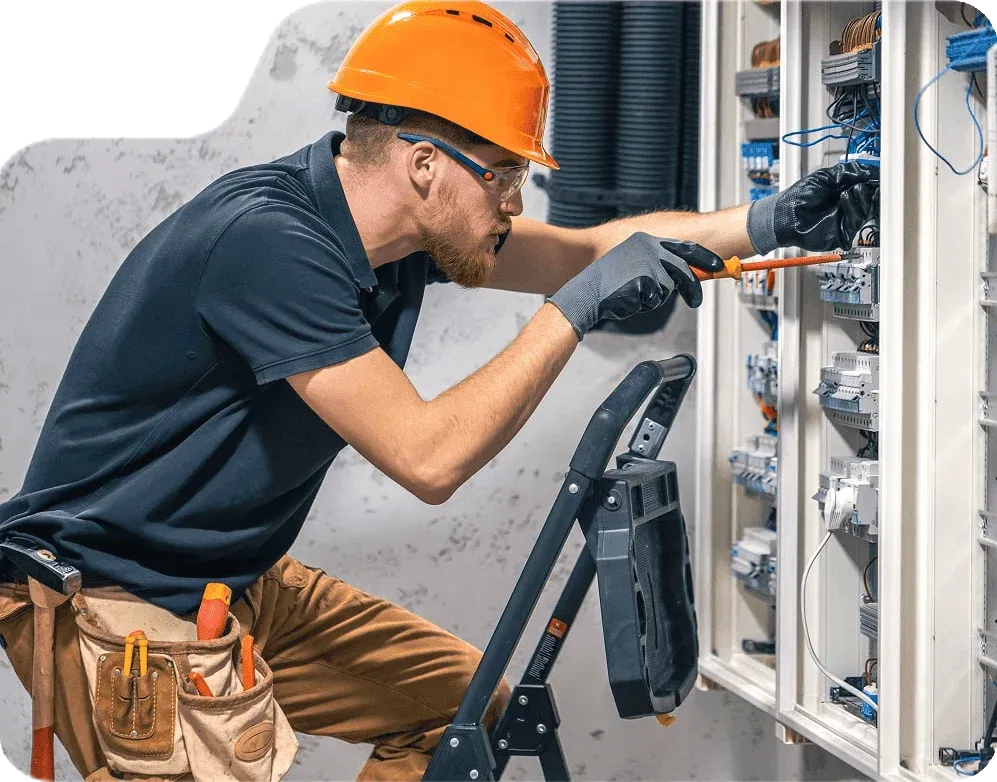
The process commonly includes checking plugs, cables, connectors, casings, and other accessible components for damage. Appropriate testing instruments may then be used to assess electrical safety, depending on the equipment and testing requirements.
Equipment that passes the required checks can be recorded and tagged according to the applicable procedure. If an item fails, it should be identified clearly, removed from service where necessary, and repaired or replaced by an appropriately qualified person.
Understanding the Importance of RCD Testing
Residual Current Devices (RCDs) are important safety devices designed to disconnect an electrical supply when they detect certain types of current leakage. They can provide additional protection against electric shock, particularly in environments where electrical equipment is exposed to demanding working conditions.
RCD Testing helps verify that these protective devices operate as intended under the relevant testing procedure. Depending on the device and applicable requirements, testing may involve checking its operation and using suitable test equipment to measure its response.
On construction sites, RCDs may be incorporated into switchboards, power distribution equipment, or other electrical arrangements. Their condition and suitability should be assessed as part of the site’s electrical safety management plan.
Workers should also understand the purpose of RCDs and know how to report a device that trips unexpectedly or appears damaged. An RCD should never be bypassed simply to keep equipment running. A competent person should investigate the cause and determine whether the installation and equipment are safe to use.
How Often Should Construction Equipment Be Checked?
The required inspection and testing frequency depends on the type of equipment, its working environment, the likelihood of damage, and the rules applicable to the location.
Tools used in harsh environments or handled frequently may need more frequent checks than equipment kept in protected conditions. Construction managers should follow the relevant legal requirements and establish a schedule based on documented risk assessments and equipment history.
Visual inspections are also valuable between scheduled testing dates. Workers should check for damaged insulation, loose connections, cracked plugs, and other obvious defects before using equipment. Any suspected fault should be reported promptly.
It is important to remember that a test tag does not guarantee that equipment will remain safe indefinitely. Damage can occur immediately after an inspection, so ongoing vigilance is essential.
Benefits for Contractors and Project Managers
A structured electrical safety programme offers several practical advantages. First, it helps identify problems before they lead to injuries or equipment failures. Second, organised inspection records make it easier to track equipment condition and arrange follow-up actions.
Professional testing can also support project planning by reducing avoidable interruptions caused by defective tools. When workers have access to suitable, properly maintained equipment, they can complete tasks with greater confidence.
In addition, clear procedures help contractors demonstrate that electrical risks are being considered and managed. However, test tags alone do not establish full legal compliance; businesses must also meet all other applicable electrical safety and workplace obligations.
Choosing the Right Testing Provider
When selecting a service provider, contractors should consider qualifications, industry experience, testing procedures, and familiarity with construction site requirements.
A dependable provider should explain which equipment will be inspected, how results will be recorded, and what happens when an item fails. Records should be clear, accessible, and suitable for the site’s safety management processes.
Businesses should also confirm that the service covers the relevant equipment and protective devices rather than assuming every electrical safety requirement is included in a single visit.
Conclusion
Electrical safety is an essential part of managing a construction project responsibly. A well-planned Construction Site Test and Tag Service helps contractors identify equipment defects, organise inspections, and reduce preventable risks. Alongside these measures, regular RCD Testing supports confidence in the operation of important electrical protection devices.
By combining professional testing, routine visual checks, suitable maintenance, and effective worker training, construction businesses can create safer sites and keep projects moving with greater confidence.