Bringing a medical device to the U.S. market involves careful planning, detailed documentation, and a clear understanding of regulatory expectations. For many manufacturers, the FDA 510(k) pathway is an important route toward demonstrating that a new device is substantially equivalent to a legally marketed predicate device. Although the process may appear straightforward, preparing the right technical and regulatory information requires attention to detail.
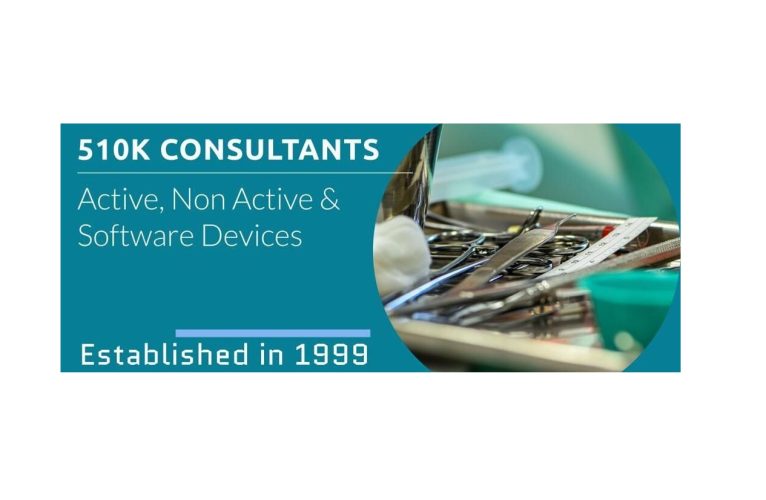
Working with experienced 510K Consultants can help manufacturers understand the requirements, organize supporting evidence, and prepare documentation that aligns with the expectations of the U.S. Food and Drug Administration (FDA).
Understanding the FDA 510(k) Pathway
The FDA 510(k) process is designed for certain medical devices that are intended to enter the U.S. market and can demonstrate substantial equivalence to a predicate device. The manufacturer generally needs to explain how the new device compares with an existing legally marketed device and provide information supporting its safety and effectiveness.
A successful submission depends on more than describing the product. Manufacturers may need to provide information about intended use, technological characteristics, performance testing, labeling, and other relevant aspects of the device. The exact requirements can vary depending on the device type and applicable FDA guidance.
Why Regulatory Planning Matters
Regulatory planning should begin early in the product development process. Waiting until a device is ready for market can create unnecessary delays if important testing, documentation, or design information is missing.
A well-planned regulatory strategy can help identify the applicable product classification, potential predicate devices, testing requirements, and documentation needs. It can also help manufacturers understand potential regulatory challenges before significant resources are committed.
This is one area where 510K Consultants can provide valuable support. Their role may include reviewing the device and its intended use, evaluating possible predicates, identifying information gaps, and helping create a practical regulatory strategy.
Choosing an Appropriate Predicate Device
Predicate selection is an important part of the 510(k) process. The selected predicate should provide a meaningful basis for demonstrating substantial equivalence.
Manufacturers typically need to compare the new device with the predicate in areas such as intended use, technological characteristics, materials, design features, and performance. If technological differences exist, the submission should explain those differences and provide appropriate evidence demonstrating that they do not raise different questions of safety and effectiveness.
A carefully developed comparison can make the regulatory argument clearer and easier to evaluate.
Preparing the 510(k) Submission
A complete 510k submission requires organized and accurate information. Depending on the device, documentation may include administrative information, device descriptions, substantial equivalence comparisons, performance testing, labeling, sterilization information, biocompatibility data, software documentation, and other relevant evidence.
The submission should tell a consistent story. The intended use, device description, testing results, labeling, and substantial equivalence discussion should all support the same regulatory position.
Inconsistencies between sections can create questions during FDA review. For this reason, manufacturers should perform a detailed internal review before submitting the final documentation.
The Role of Testing and Technical Evidence
Testing is often an important component of a 510(k). The specific tests required depend on the device and its characteristics. Testing may address areas such as electrical safety, electromagnetic compatibility, mechanical performance, software functionality, biocompatibility, sterilization, packaging, or other device-specific requirements.
Manufacturers should determine testing requirements early enough to allow time for laboratory work, evaluation of results, and potential corrective actions. Simply completing a test is not enough; the results must also be appropriately documented and connected to the regulatory rationale.
Avoiding Common Submission Problems
Several issues can make the review process more complicated. Examples include inadequate predicate justification, incomplete testing information, inconsistent device descriptions, unclear labeling, missing documentation, and unsupported claims.
Another common challenge is failing to consider FDA guidance relevant to the particular device category. Regulatory expectations can differ significantly between types of medical devices, so a generic approach may not be appropriate.
A structured review before submission can help identify these issues and improve the overall quality of the documentation.
Working With Regulatory Professionals
Manufacturers may choose to handle the process internally or work with external regulatory professionals. Experienced 510K Consultants can assist with different stages of the project, from initial regulatory strategy through document preparation and responses to FDA questions.
The value of consulting support depends on the device, the manufacturer’s internal expertise, and the complexity of the submission. A qualified consultant should be able to explain the regulatory rationale behind recommendations and help the manufacturer understand what information is required.
Moving Toward a Successful Regulatory Process
The FDA 510(k) pathway requires careful coordination between regulatory strategy, product development, testing, technical documentation, and labeling. Starting early can give manufacturers more time to address potential issues and build a well-supported regulatory package.
Whether a company is preparing its first 510k submission or improving its regulatory process for future devices, organized documentation and sound regulatory planning are essential. By understanding FDA expectations and addressing requirements systematically, manufacturers can create a clearer pathway toward regulatory review and potential market entry in the United States.