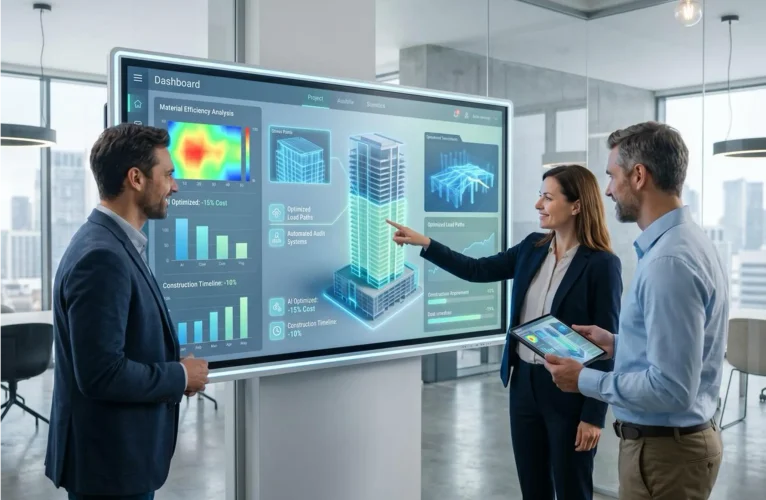
The construction industry is changing rapidly as technology becomes a bigger part of planning, design, and project management. Among the most important developments is the growing use of artificial intelligence, automation, and digital building models. AI in construction industry applications are helping companies improve decision-making, reduce delays, identify risks, and manage resources more effectively. At the same time, bim modeling services are providing detailed digital representations of buildings that help architects, engineers, contractors, and owners work from a shared source of information.
The Growing Role of AI in Construction
Construction projects involve thousands of decisions, from selecting materials to scheduling workers and coordinating different trades. Traditionally, many of these decisions depended heavily on manual calculations and individual experience. AI can analyze large amounts of project data and identify patterns that may otherwise be difficult to notice.
For example, AI-powered systems can support project scheduling by evaluating previous project performance, current workloads, weather conditions, and resource availability. This can help teams anticipate potential delays and make adjustments before small problems become expensive setbacks.
AI can also assist with cost estimation, safety monitoring, quality control, and equipment management. Cameras and computer vision technologies, for instance, can analyze construction sites and identify unsafe conditions or deviations from planned work.
BIM and Intelligent Project Planning
Building Information Modeling, commonly known as BIM, has already transformed the way construction information is created and shared. Instead of relying only on traditional two-dimensional drawings, BIM creates a detailed digital model containing information about building components and systems.
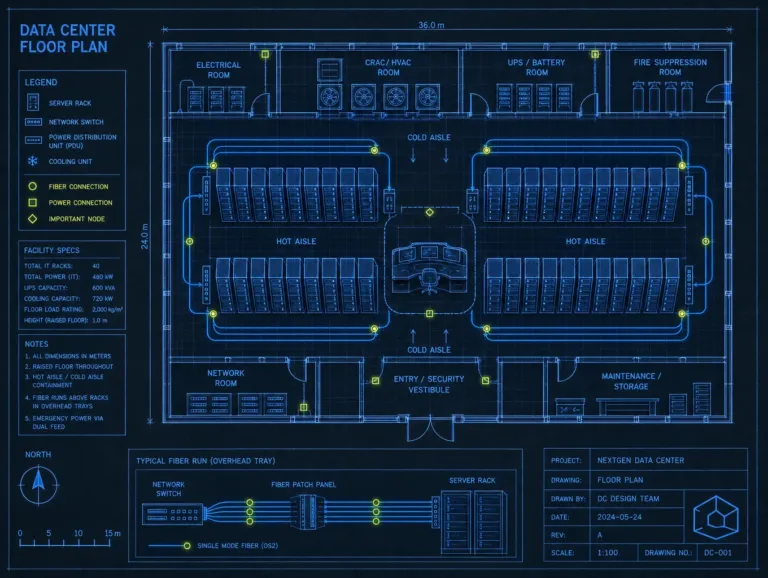
Professional bim modeling services can support architectural, structural, and MEP workflows while helping project participants understand how different elements interact. A well-developed BIM model can reveal clashes between systems before installation begins, reducing the need for expensive corrections on-site.
When BIM is combined with AI, its value can become even greater. AI algorithms can examine model data, identify potential conflicts, optimize layouts, and support more informed design decisions. This combination creates a more connected approach to construction planning.
Reducing Errors and Rework
Rework is one of the major challenges in construction. A mistake discovered after materials have been purchased or installed can affect budgets, schedules, and labor requirements.
AI and BIM technologies can help reduce these problems by improving coordination before construction starts. BIM models allow project teams to review building components digitally, while AI can analyze design information and identify unusual patterns or potential conflicts.
For example, if electrical systems and ventilation ducts are planned to occupy the same physical space, clash detection can identify the problem during the design stage. Correcting the issue digitally is generally much easier than resolving it after construction has begun.
Improving Cost and Resource Management
Construction companies constantly balance labor, materials, machinery, and deadlines. AI can help analyze historical and current project information to support better resource allocation.
AI-based forecasting can highlight areas where costs may increase or schedules may slip. BIM models can complement this process by providing accurate information about quantities, components, and construction requirements.
Together, these technologies can give project managers a clearer understanding of where resources are being used and where improvements may be possible. This does not eliminate the need for human expertise, but it gives professionals better information for making decisions.
Better Collaboration Across Project Teams
Large construction projects often involve architects, engineers, contractors, suppliers, and property owners. Poor communication between these groups can result in misunderstandings and costly changes.
BIM provides a shared digital environment where project information can be organized and accessed more efficiently. Different professionals can review the same model and coordinate their work around a common reference.
AI can further improve collaboration by automating repetitive information analysis and highlighting important changes. This allows teams to spend less time searching through large amounts of project information and more time addressing critical decisions.
AI and the Future of Construction
The future of construction is likely to become increasingly data-driven. AI will continue developing in areas such as predictive maintenance, automated progress monitoring, design optimization, safety management, and project forecasting.
However, successful technology adoption requires more than simply purchasing software. Companies need accurate data, skilled professionals, clear workflows, and appropriate training. BIM models must also be created and managed carefully to deliver reliable results.
The goal should not be to replace architects, engineers, or construction professionals. Instead, AI and BIM should support their expertise by reducing repetitive tasks and providing better information at the right time.
Conclusion
The combination of artificial intelligence and digital modeling is creating new opportunities throughout the construction sector. AI in construction industry solutions can help companies analyze information, predict risks, improve safety, and make smarter decisions. Meanwhile, bim modeling services can strengthen coordination, reduce design conflicts, and provide a reliable digital foundation for construction projects.
As the industry continues to embrace digital transformation, organizations that combine skilled professionals with intelligent technology will be better positioned to deliver projects efficiently and accurately. AI and BIM are not simply emerging trends; they are becoming important tools for building a more coordinated, productive, and future-ready construction industry.