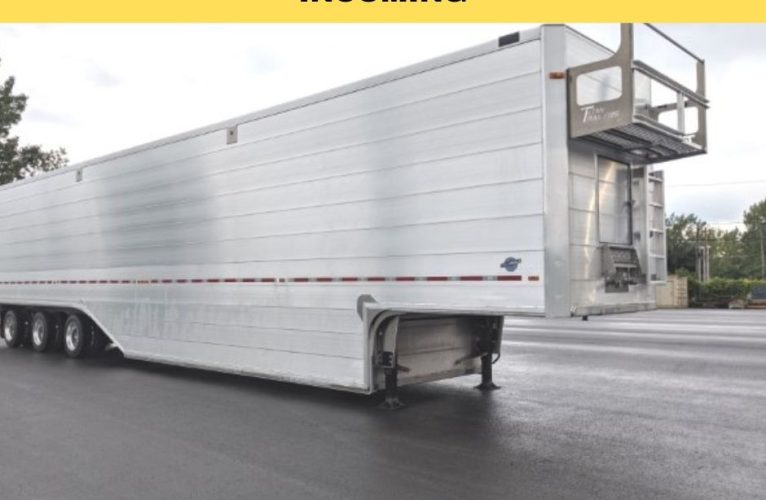
Moving heavy materials requires equipment that can handle demanding jobs without slowing down the entire operation. Whether you are working in construction, agriculture, landscaping, road maintenance, or general material transport, choosing the right trailer can make a noticeable difference. Two options worth exploring are the Raglan Trailer and Stargate Dump, each designed around practical hauling and unloading needs.
Understanding the Role of a Heavy-Duty Trailer
Trailers are more than simple platforms for carrying materials. A well-designed trailer needs to provide stability, durability, convenient loading, and efficient unloading. When transporting gravel, soil, sand, construction debris, agricultural materials, or other bulk loads, the trailer must be capable of handling both the weight and the working conditions.
A quality trailer can also reduce unnecessary handling. Instead of requiring workers or additional equipment to manually move materials, a suitable dump trailer can make unloading considerably faster. This is particularly valuable on busy job sites where time and productivity matter.
Why Choose a Raglan Trailer?
A Raglan Trailer can be a practical choice for operators looking for dependable hauling equipment. Trailer selection should always begin with the type of material being transported and the environment in which the equipment will be used.
For contractors, farmers, landscapers, and other professionals, useful trailer characteristics may include a strong frame, reliable suspension, durable flooring, practical sidewalls, and an unloading system suited to regular workloads.
Another important consideration is maneuverability. A trailer may carry a substantial amount of material, but it should still be manageable when entering construction sites, farms, storage yards, or other confined areas. Good weight distribution and appropriate towing equipment help improve stability and handling.
The Advantages of Dump Trailer Design
Dump trailers are particularly useful when materials need to be unloaded quickly. Instead of manually removing a heavy load, the trailer’s hydraulic or mechanical lifting system can raise the body and allow gravity to do most of the work.
This design is helpful for materials such as:
- Gravel and crushed stone
- Sand and soil
- Mulch and landscaping materials
- Demolition debris
- Agricultural products
- Construction waste
The ability to unload quickly can help operators complete more trips during the working day. It can also reduce physical effort and make material placement more convenient.
Exploring the Stargate Dump
The Stargate Dump represents another option for businesses and operators searching for effective dumping and hauling capabilities. When considering this type of equipment, buyers should look beyond appearance and focus on construction quality, capacity, usability, and long-term maintenance requirements.
A dump trailer should be built to withstand repeated loading and unloading cycles. Heavy materials can place considerable stress on the trailer floor, frame, hinges, hydraulic components, and suspension. Strong construction is therefore essential for equipment expected to perform regularly in demanding environments.
The right configuration will depend on the intended application. Someone hauling landscaping materials may have different requirements from a contractor transporting demolition waste. Understanding those differences before purchasing can help prevent choosing equipment that is either unsuitable or unnecessarily large for the job.
What to Consider Before Buying
Before investing in a trailer, take time to evaluate your actual hauling requirements. Start by determining the average weight and volume of the materials you normally transport. Then consider towing capacity, trailer dimensions, axle configuration, braking requirements, and unloading height.
Payload capacity is particularly important. A trailer should never be routinely overloaded simply because it appears capable of carrying more material. Staying within the manufacturer’s recommended limits helps protect the equipment and contributes to safer operation.
The trailer’s construction materials also deserve attention. A durable body and reinforced frame can be valuable for businesses that use their equipment frequently. At the same time, easy access to replacement parts and routine service should be considered before making a purchase.
Maintenance Matters
Even the strongest trailer requires proper maintenance. Regular inspections can help identify worn tires, damaged suspension components, loose fasteners, hydraulic leaks, brake problems, or structural damage before they become major issues.
Cleaning the trailer after demanding jobs can also help extend its working life. Dirt, moisture, chemicals, and leftover materials may contribute to corrosion or component wear over time. Lubricating moving parts and checking hydraulic systems according to the manufacturer’s recommendations can further support reliable operation.
Keeping maintenance records is another useful practice for commercial operators. A simple service history makes it easier to track inspections, repairs, and replacement intervals.
Choosing Equipment for Long-Term Value
The cheapest trailer is not always the most economical choice. Equipment that requires frequent repairs or struggles under regular workloads can quickly become expensive. Instead, consider the overall value, including durability, payload capability, operating convenience, maintenance, and expected service life.
A well-matched trailer can improve productivity by making loading, transportation, and unloading more efficient. For businesses that move bulk materials regularly, these small improvements can add up to meaningful savings over time.
Final Thoughts
Selecting the right hauling equipment is an important decision for anyone who regularly transports heavy or loose materials. A Raglan Trailer can offer practical hauling capabilities for a range of applications, while the Stargate Dump can provide useful dumping functionality for demanding material-handling tasks.
The best choice ultimately depends on your workload, towing setup, material type, operating environment, and maintenance expectations. By evaluating these factors carefully and choosing equipment that matches your everyday requirements, you can invest in a trailer that supports safer, smoother, and more productive hauling for years to come.