Wood veneer is a popular choice for creating an elegant, natural wood appearance on furniture, cabinets, doors, wall panels, and decorative surfaces. However, achieving a smooth and durable veneer finish depends heavily on selecting the right adhesive. The correct wood veneer adhesive helps bond thin wood sheets securely to the substrate while reducing problems such as bubbling, lifting, and uneven surfaces. Choosing the right veneer glue can also make installation easier and improve the long-term appearance of the finished project.
What Is Wood Veneer Adhesive?
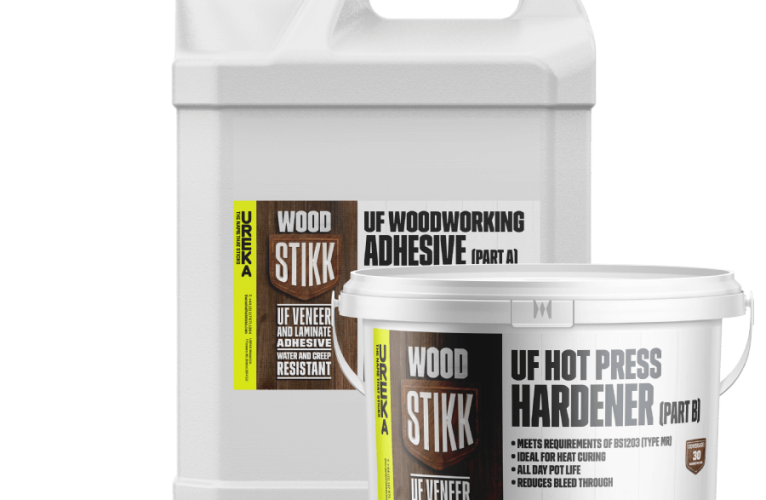
Wood veneer adhesive is specially designed to bond thin sheets of natural or engineered wood veneer to materials such as plywood, MDF, particleboard, and other suitable substrates. Because veneer is thin and can react to moisture and temperature changes, its adhesive needs to provide reliable bonding without damaging the wood.
A quality adhesive creates a strong connection between the veneer and the substrate while allowing sufficient working time for positioning. Depending on the application, professionals may choose water-based, solvent-based, contact, or reactive adhesive systems.
Why Choosing the Right Veneer Glue Matters
The performance of a veneer project depends on more than just the quality of the wood. The veneer glue plays an important role in preventing common installation problems. An unsuitable adhesive may result in weak bonding, visible bubbles, curling edges, or separation over time.
A suitable adhesive should provide good initial grab, strong final adhesion, and compatibility with both the veneer and substrate. It should also suit the project’s pressing method and working environment.
For large furniture panels or professional woodworking projects, selecting an adhesive designed specifically for veneering can provide better consistency and durability.
Important Features to Look For
When selecting wood veneer adhesive, consider several important characteristics. First, check its compatibility with the type of veneer and substrate being used. Different woods can have different levels of porosity and natural oils, which may affect adhesion.
Working time is another important factor. An adhesive that dries too quickly can make positioning difficult, while one that remains workable for too long may slow production.
Heat and moisture resistance can also be important, especially for kitchen cabinets, furniture, doors, and commercial interiors. A durable adhesive should maintain its bond under normal environmental changes.
How to Apply Veneer Glue Correctly
Proper preparation is essential for a successful veneer installation. Begin by ensuring that the substrate is clean, dry, smooth, and free from dust, grease, or loose material. The veneer should also be flat and properly prepared before adhesive application.
Apply the recommended amount of veneer glue evenly across the bonding surface. Avoid excessive adhesive because too much product can increase drying time or create an uneven surface.
Position the veneer carefully and use an appropriate press, roller, or clamping method according to the adhesive manufacturer’s instructions. Applying consistent pressure helps create close contact between the veneer and substrate.
After bonding, allow the adhesive to cure for the recommended time before trimming, sanding, or finishing the veneered surface.
Common Applications
Wood veneer adhesive is widely used in residential, commercial, and manufacturing applications. Furniture makers use it for tables, cabinets, desks, shelves, and decorative panels. Interior designers and contractors may use veneer for doors, wall features, reception counters, and custom installations.
Veneer glue is also useful in woodworking workshops where natural wood appearance is required without constructing an entire component from solid timber. Veneering can provide attractive results while making efficient use of valuable wood species.
Tips for a Professional Finish
For the best results, always follow the adhesive manufacturer’s application instructions. Store adhesive under the recommended conditions and check its shelf life before use.
Prepare all materials before applying the glue so that the veneer can be positioned without unnecessary delays. Maintain suitable temperature and humidity during installation, as environmental conditions can affect drying and bonding.
It is also wise to test the adhesive on a small sample before starting a large project. This can help confirm compatibility, appearance, working time, and final bond strength.
Conclusion
Selecting the right wood veneer adhesive is an important step toward creating durable and attractive woodworking projects. The right veneer glue can help ensure strong bonding, smooth surfaces, and long-lasting performance. By considering material compatibility, working time, moisture resistance, application method, and curing requirements, woodworkers can achieve reliable results.
Whether you are veneering furniture, cabinets, doors, or decorative panels, investing time in proper adhesive selection and surface preparation can make a significant difference. With the right product and application technique, veneer can provide a beautiful professional finish that enhances both the appearance and value of a woodworking project.