Completing a renovation or construction project is an important milestone, but the work is not truly finished until the property is clean, organised, and ready for its intended use. Construction activities can leave behind fine dust, packaging materials, adhesive marks, paint splashes, and other debris that require careful attention. Professional Final Cleaning helps prepare a space for inspection, occupancy, or handover by addressing the dirt and residue left after building work.
A systematic cleaning process can improve the appearance of a newly completed property while helping identify areas that need further attention. Understanding the stages involved makes it easier for property owners, contractors, and facility managers to plan the final phase of a project.
What Is Final Cleaning?
Final cleaning is the detailed cleaning carried out when construction, renovation, or other major work is substantially complete. Unlike routine housekeeping, it focuses on removing construction-related dust and residue from surfaces throughout the property.
The exact scope depends on the condition of the building and the work performed. A recently renovated office may need attention to desks, floors, interior glass, and washrooms, while a newly constructed commercial unit may require more extensive cleaning of fixtures, cabinetry, and other newly installed surfaces.
Typical final-cleaning tasks include:
- Removing loose dust and construction debris.
- Cleaning floors according to their material and finish.
- Wiping accessible shelves, counters, and fixtures.
- Cleaning interior windows and glass partitions where included.
- Removing suitable marks from doors and other surfaces.
- Cleaning washrooms, sinks, and sanitary fixtures.
- Wiping kitchen counters and cabinet exteriors.
- Collecting packaging and disposing of general waste appropriately.
A clear task list helps ensure that important areas are not missed. It also establishes realistic expectations about what the cleaning team will complete.
Why Post-Construction Cleaning Requires a Different Approach
Post constructions cleaning involves addressing the specific mess created by construction and renovation work. Dust can settle on horizontal surfaces, collect in corners, and spread into adjacent rooms through movement and ventilation. Small pieces of packaging, dried residue, and marks may also remain after contractors have finished.
This type of cleaning requires attention to surface compatibility and the nature of the debris. For example, a delicate floor finish may be damaged by abrasive tools, while certain glass or metal surfaces can be scratched by unsuitable cleaning materials.
Fine construction dust should be removed using appropriate methods and equipment rather than simply pushed from one area to another. Cleaning should generally progress from higher surfaces to lower surfaces, followed by floor cleaning, with additional checks to identify dust that has settled again.
It is also important to distinguish cleaning from construction waste removal. Large debris, hazardous materials, and specialist waste may require separate handling by qualified contractors or approved waste-management services.
The Main Stages of a Post-Construction Cleaning Plan
A structured process helps make final cleaning more efficient and consistent.
1. Inspect the Property
Before cleaning begins, review the building and identify areas that need special attention. Check the condition of flooring, windows, doors, cabinetry, washrooms, and installed fixtures. Note any visible damage or unfinished work that should be reported to the project manager before cleaning proceeds.
An initial inspection also helps determine the equipment, cleaning products, staffing, and time required.
2. Remove Loose Debris
The next stage involves collecting general rubbish, packaging, and loose debris that can be safely removed. Items that belong to contractors or property owners should be separated from waste to avoid accidental disposal.
Large construction materials should be handled according to the site’s waste-management arrangements. Cleaning personnel should not attempt to remove hazardous substances or heavy debris without suitable training and equipment.
3. Remove Dust from High Surfaces
Dusting higher surfaces before cleaning floors reduces the likelihood of recontaminating areas that have already been cleaned. Accessible ledges, shelving, fixtures, and other surfaces should be addressed using methods appropriate to the material.
Where fine dust is present, suitable vacuum equipment and filtration may be necessary. The cleaning team should avoid methods that unnecessarily disperse dust into the air.
4. Clean Fixtures and Detailed Areas
Doors, handles, counters, cabinetry, interior glass, and other fixtures may need careful cleaning. Product instructions should be followed, particularly where surfaces are new, coated, delicate, or sensitive to chemicals.
Paint, adhesive, grout residue, and similar marks should only be removed using methods suitable for the affected material. Aggressive scraping or unsuitable solvents can cause permanent damage.
5. Clean Floors and Lower Surfaces
Once upper surfaces and fixtures have been addressed, floors can be cleaned using the appropriate method for the material. Tile, vinyl, hardwood, polished stone, and carpet all have different maintenance requirements.
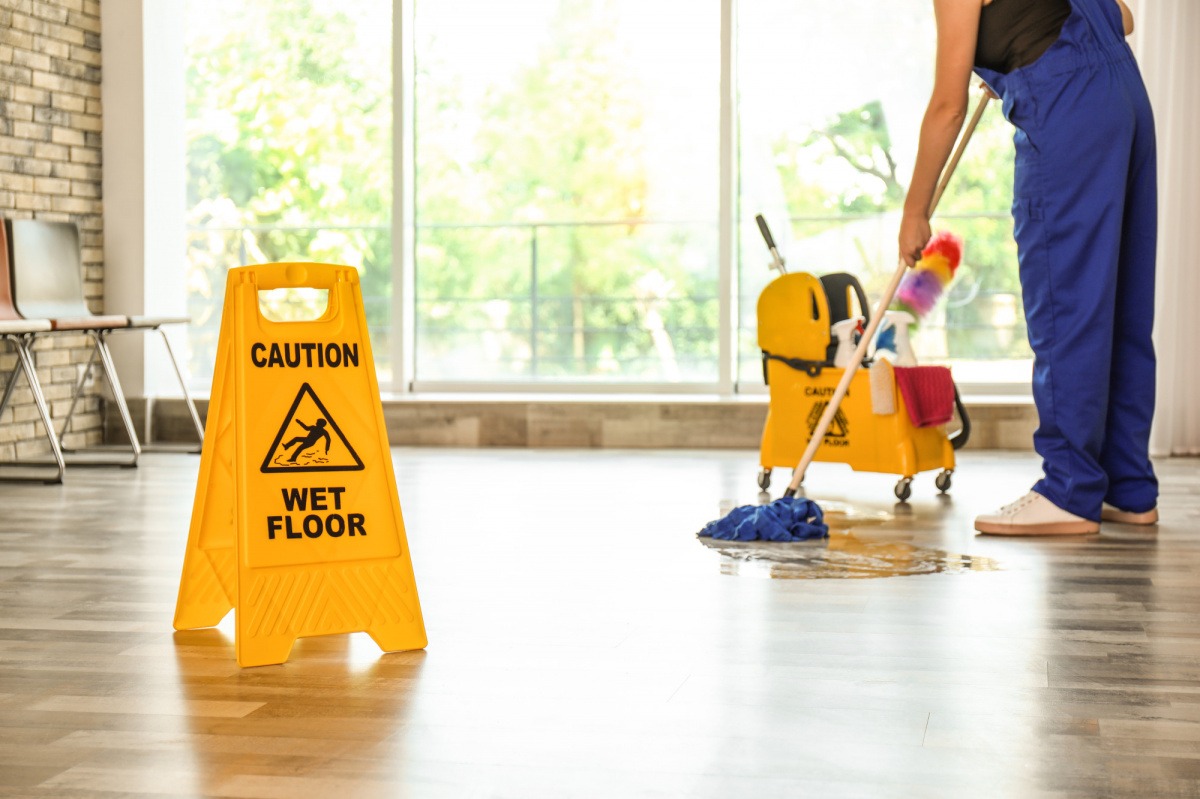
The cleaning team should follow manufacturer guidance and allow floors to dry safely. Wet-floor warnings and appropriate access restrictions can help prevent slips while the work is underway.
6. Conduct a Final Inspection
The last stage is a detailed walkthrough to check whether the agreed tasks have been completed. Inspect corners, edges, glass, washrooms, fixtures, and floor surfaces under suitable lighting.
Any missed areas should be recorded and addressed before handover. A checklist can make the inspection more objective and help establish whether the property is ready for its next stage.
Safety Considerations During Final Cleaning
Safety should remain a priority throughout the process. Construction sites can contain exposed wiring, sharp materials, unstable items, and surfaces that have not been fully secured. Cleaning should begin only when the work area is safe to enter.
Cleaning products must be used according to their labels, stored appropriately, and kept separate when incompatible. Personal protective equipment may be necessary depending on the dust, debris, and products involved. Good ventilation and clear communication with contractors can also help reduce avoidable risks.
Where mould, asbestos, lead-containing materials, or other potentially hazardous substances are suspected, work should stop in the affected area until appropriate assessment and specialist guidance are obtained.
Preparing for Handover or Occupancy
A properly organised final-cleaning process can help property owners and project managers prepare for inspections, tenant occupancy, or business operations. It also provides an opportunity to identify visible defects that may have been obscured by dust or construction materials.
Before scheduling cleaning, confirm that major construction tasks are complete, contractors have removed their equipment, and the property can be accessed safely. The agreed scope should specify which rooms, surfaces, windows, fixtures, and waste items are included.
Clear communication between contractors, cleaning teams, and property representatives reduces confusion and helps avoid unnecessary repeat work.
Conclusion
Final cleaning is an important stage in preparing a newly constructed or renovated property for practical use. By removing construction dust, addressing residue carefully, following appropriate safety procedures, and conducting a final inspection, property owners can achieve a cleaner and more presentable result.
A planned post-construction cleaning process also helps protect newly installed surfaces and establishes a clear standard for handover. With the right preparation and attention to detail, the transition from construction work to a usable space can be more organised and efficient.