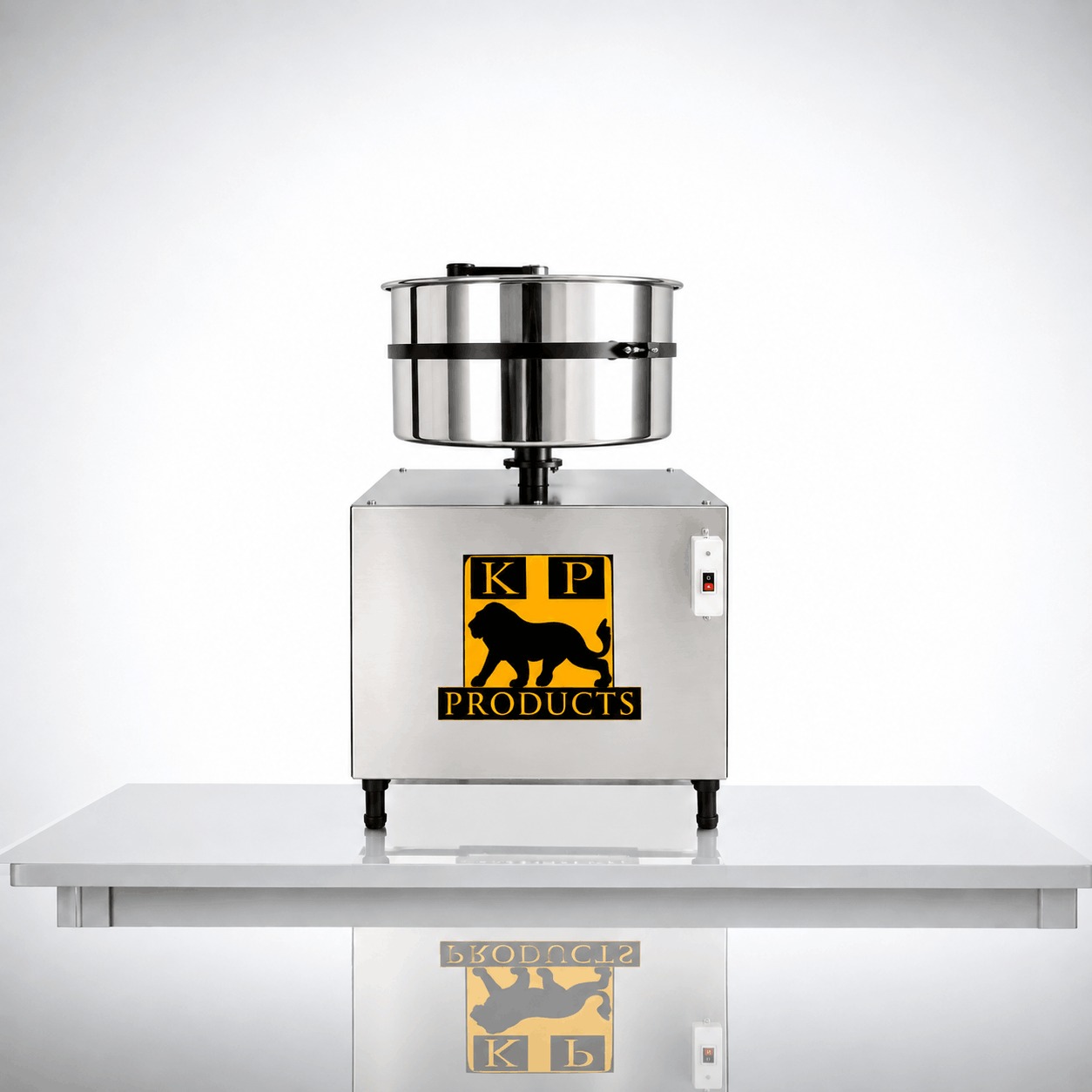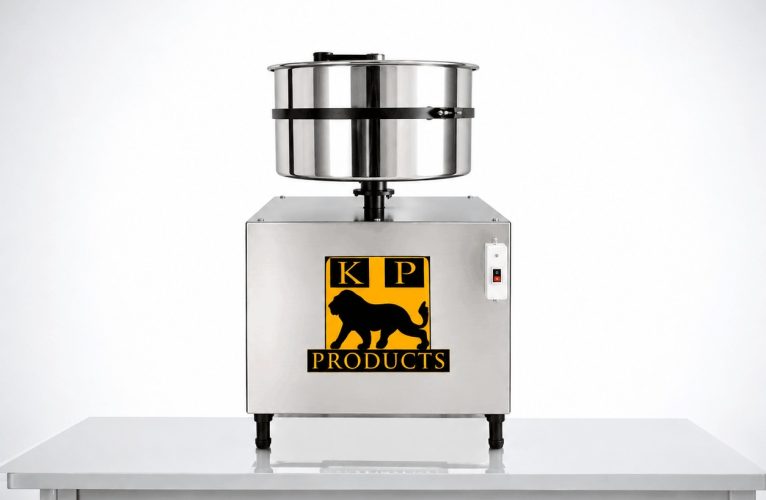
The food manufacturing industry is becoming increasingly competitive, encouraging businesses to adopt modern equipment that improves efficiency and product consistency. Papad manufacturers, in particular, need reliable production methods to meet customer expectations while managing labor, time, and operating costs. Investing in an Automatic Papad Machine can help businesses streamline repetitive tasks, organize production more effectively, and prepare for increasing market demand.
The Changing Landscape of Papad Manufacturing
Papad has long been an important part of Indian food culture, with demand coming from households, restaurants, catering companies, retailers, and food distributors. As businesses expand beyond local markets, maintaining consistent product quality and meeting larger orders become increasingly important.
Traditional manufacturing methods often involve considerable manual effort. Workers may need to shape papad individually, transfer products between production stages, and manage drying conditions. These activities can take time and may lead to differences in thickness, shape, and overall appearance.
Automation offers manufacturers an opportunity to improve their workflow. By introducing suitable machinery, businesses can reduce reliance on repetitive manual tasks and establish more structured production processes. However, the right equipment depends on the type of papad being manufactured, the required output, and the available production space.
How Automation Supports Production Efficiency
Automation can help manufacturers manage repetitive stages with greater consistency. Depending on the machine design, equipment may assist with shaping, forming, or other production activities. This can reduce the physical workload associated with manual processing and help operators concentrate on supervision and quality checks.
A more organized process can also make production planning easier. When manufacturers understand their equipment’s practical capacity, they can schedule orders, manage raw materials, and coordinate packaging more effectively.
The benefits are not limited to speed. Consistency is equally important because customers often expect every batch to have a similar appearance and texture. Properly selected machinery, combined with standardized recipes and trained operators, can help reduce avoidable variations.
Businesses should nevertheless assess the machine’s actual specifications before purchasing. Production capacity, product dimensions, operating requirements, and maintenance needs should all be considered to determine whether the equipment suits the intended application.
The Importance of Effective Papad Drying
Drying is a critical stage in papad manufacturing because moisture levels influence product texture, handling, and storage performance. Inconsistent drying can create challenges for manufacturers, particularly when production volumes are high or weather conditions change.
An Automatic papad dryer machine may help businesses manage drying more systematically, depending on the equipment’s design and capabilities. Compared with relying exclusively on outdoor drying, purpose-built equipment can offer greater control over the drying environment and help manufacturers plan production around their operational schedules.
Before selecting a dryer, manufacturers should consider its capacity, temperature-control features, airflow, energy requirements, cleaning procedures, and compatibility with their papad varieties. The correct operating conditions may vary according to the ingredients, thickness, and moisture content of the product.
It is also important to avoid assuming that faster drying automatically produces better results. The objective should be uniform drying that preserves the desired characteristics of the papad. Testing and monitoring help businesses identify suitable settings for their specific production requirements.
Reducing Manual Work and Improving Organization
One of the practical advantages of automation is the opportunity to distribute labor more efficiently. Instead of spending most of their time performing repetitive production tasks, employees can assist with equipment monitoring, sanitation, packaging, inventory management, and inspection.
This can help a business establish clearer responsibilities and improve coordination between production stages. For example, shaping and drying operations should be balanced so that finished or semi-finished products do not accumulate unnecessarily between stages.
Manufacturers should also train employees to operate machinery safely. Clear operating procedures, regular inspections, and preventive maintenance can reduce avoidable interruptions and help extend equipment service life.
Automation does not eliminate the need for skilled workers. Rather, it changes how their time is used. Human supervision remains essential for monitoring product quality, identifying unusual equipment behavior, and ensuring that hygiene standards are followed.
Maintaining Hygiene and Product Quality
Food safety should remain a priority throughout the manufacturing process. Equipment that comes into contact with ingredients or finished products should be suitable for food processing and easy to clean according to the manufacturer’s instructions.
Manufacturers should establish routine cleaning schedules and inspect food-contact surfaces for residue, wear, or damage. Raw materials should be stored appropriately, and employees should follow hygienic handling practices to minimize contamination risks.
Quality checks should cover more than the final appearance of the papad. Businesses should monitor thickness, shape, drying consistency, moisture levels where appropriate, and packaging integrity. Consistent documentation can help identify recurring production problems and guide improvements.
Packaging also plays an important role. Properly dried papad should be protected from moisture exposure during handling, storage, and transportation. Suitable packaging helps preserve the product’s intended quality until it reaches the customer.
Choosing Equipment That Fits Your Business
Before investing in automated machinery, business owners should calculate their current production volume and estimate future requirements. A small manufacturer supplying nearby retailers may need a different setup from a large company producing for multiple distributors.
Important factors to evaluate include machine capacity, available floor space, power consumption, installation requirements, operator training, spare-parts availability, and after-sales service. Buyers should also confirm exactly which production stages are automated and which still require manual handling.
Requesting detailed specifications and discussing product requirements with the supplier can help businesses make a more informed decision. The lowest initial purchase price may not represent the best long-term value if maintenance, downtime, or operating costs are significantly higher.
Conclusion
Automation can provide papad manufacturers with practical opportunities to improve production consistency, organize labor, and manage growing orders. When shaping and drying processes are selected to work together, businesses can develop a more reliable manufacturing workflow.
The most effective approach is to evaluate equipment according to actual production needs, maintain strict hygiene procedures, train employees, and monitor product quality regularly. With thoughtful planning and suitable machinery, growing food businesses can strengthen their operations while continuing to deliver papad that meets customer expectations.