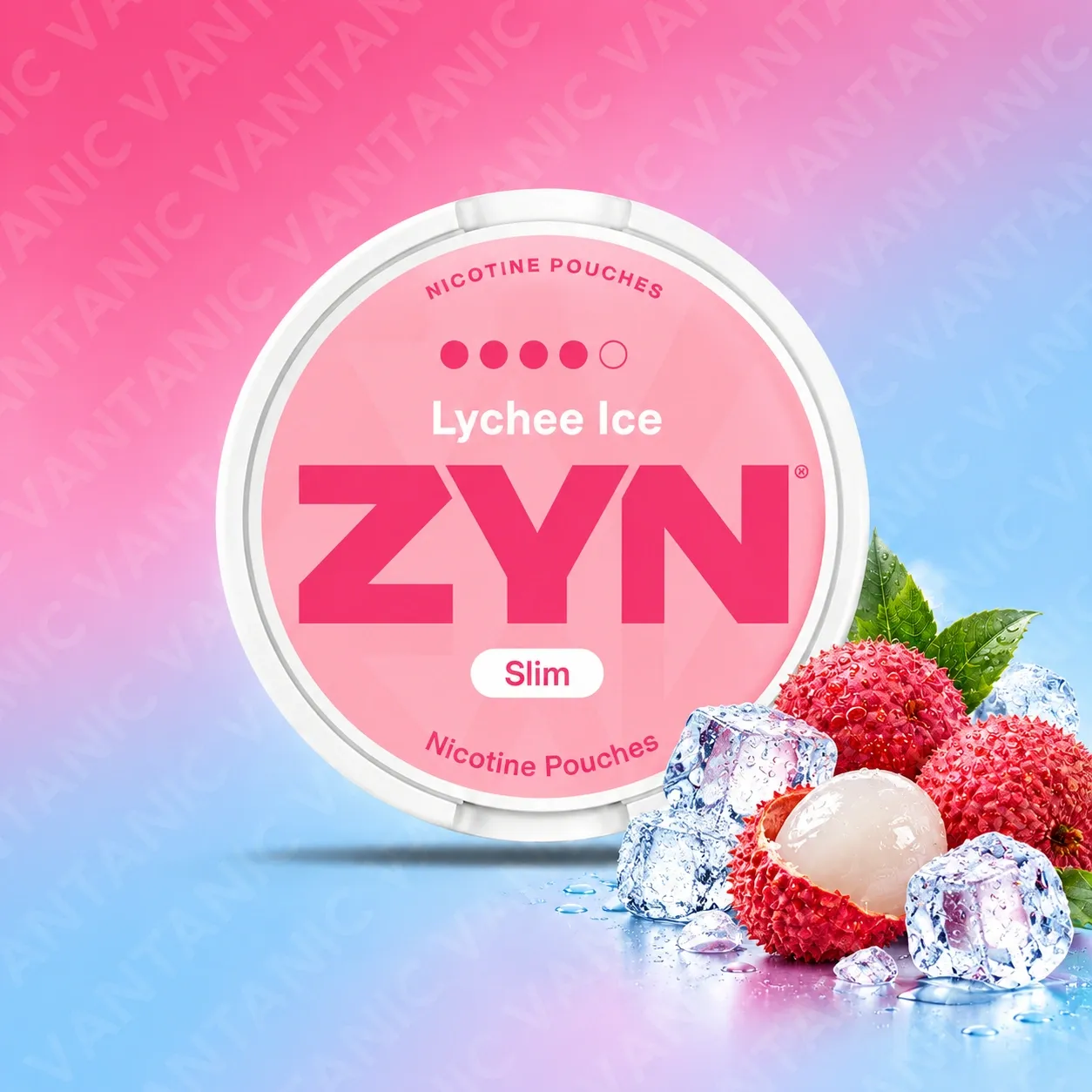
The discussion around nicotine pouches has grown considerably in recent years, with increasing online searches for terms such as nicotine pouches Australia and VELO nicotine pouches Australia. These products have attracted attention because of their tobacco-free format and oral nicotine delivery system. However, understanding what nicotine pouches are, how they work and the regulations governing them is essential for Australian consumers.
Australia has introduced strict regulatory measures concerning nicotine-containing products to protect public health and reduce nicotine dependence. These changes make it particularly important to understand the legal position before considering information about brands, products or overseas availability.
What Are Nicotine Pouches?
Nicotine pouches are small sachets designed to be placed between the upper lip and gum. They contain nicotine alongside other ingredients, which may include plant-based fibres, flavourings, sweeteners and moisture-regulating substances.
Unlike traditional cigarettes, nicotine pouches do not involve burning tobacco. Instead, nicotine is absorbed through the lining of the mouth into the bloodstream.
Although they are commonly described as tobacco-free, this does not mean they are risk-free. Nicotine is an addictive substance, and the concentration in individual products can vary significantly.
The long-term health effects of nicotine pouch use are still not fully understood. Reported concerns include nicotine dependence, oral irritation, nausea and potential cardiovascular effects.
Understanding VELO Nicotine Pouches Australia Searches
VELO is an internationally recognised name associated with oral nicotine pouch products. Consequently, people researching nicotine products may encounter the search term VELO nicotine pouches Australia when looking for information about the brand.
However, international product availability does not automatically mean a product can legally be purchased, imported or supplied in Australia.
The Australian regulatory framework is particularly strict. Consumers should distinguish between overseas product information and products that are legally authorised for supply within Australia.
It is also important to remember that online listings and social media promotions do not establish whether a nicotine product complies with Australian legislation.
Nicotine Pouches Australia: Understanding the Legal Framework
Australia regulates nicotine-containing products through the Therapeutic Goods Administration (TGA).
A significant regulatory change took effect on 24 July 2026. From this date, there is no longer a lawful pathway for consumers to purchase or personally import nicotine pouches in Australia.
The regulatory changes establish several important restrictions:
- Retailers cannot legally sell nicotine pouches in Australia.
- Online sellers cannot legally supply these products.
- Consumers cannot import nicotine pouches through the Personal Importation Scheme.
- Travellers cannot bring nicotine pouches into Australia under the traveller exemption.
- Medical practitioners cannot prescribe nicotine pouches through the previous unapproved therapeutic pathways.
- Pharmacies cannot compound or supply these products.
The restrictions also cover advertising. Promoting nicotine pouches through websites, social media or other advertising channels can constitute an offence.
Consumers should consult the official TGA website for the latest regulatory information and any applicable statutory exceptions.
Are Nicotine Pouches a Risk-Free Alternative?
One common misconception surrounding nicotine pouches is that products without tobacco must automatically be safer.
This assumption is incorrect.
Although nicotine pouches do not involve combustion, they still deliver nicotine, which can create and maintain dependence. Their effects on long-term health also require further research.
Potential health concerns include:
1. Nicotine Dependence
Nicotine is highly addictive. Regular exposure can lead to dependence, making it difficult for individuals to stop using nicotine-containing products.
2. Oral Health Concerns
Because pouches remain in contact with the gums and oral tissues, users may experience irritation, mouth discomfort or other oral health problems.
3. Cardiovascular Effects
Nicotine can affect heart rate and blood pressure. People with underlying cardiovascular concerns should seek professional medical advice about nicotine exposure.
4. Uncertain Product Quality
Unregulated products may contain inconsistent nicotine concentrations, inaccurate ingredient information or undisclosed contaminants.
These concerns highlight why regulatory oversight and reliable health information are important.
What Are the Alternatives for People Trying to Quit Nicotine?
People looking to stop smoking or manage nicotine dependence have access to established, evidence-based treatment options in Australia.
These include:
- Nicotine replacement therapy (NRT), including patches.
- Nicotine gum and lozenges.
- Behavioural counselling.
- Professional support from doctors and pharmacists.
- Prescription medicines where clinically appropriate.
- Quitline support and smoking cessation programmes.
These options have a stronger evidence base than nicotine pouches for supporting smoking cessation.
Individuals should consult a qualified healthcare professional to identify an appropriate approach based on their circumstances.
Conclusion
Interest in nicotine pouches Australia and VELO nicotine pouches Australia reflects growing curiosity about emerging nicotine products and their availability in different international markets.
However, Australian consumers need to understand that the regulatory position has changed significantly. Since 24 July 2026, consumers no longer have a lawful pathway to purchase or personally import nicotine pouches, and advertising and commercial supply are prohibited.
Understanding the health risks, legal restrictions and available cessation treatments is essential when researching these products.
For accurate and updated information, consumers should refer to the Therapeutic Goods Administration and other official Australian health authorities rather than relying on overseas retailers or unverified online sources.