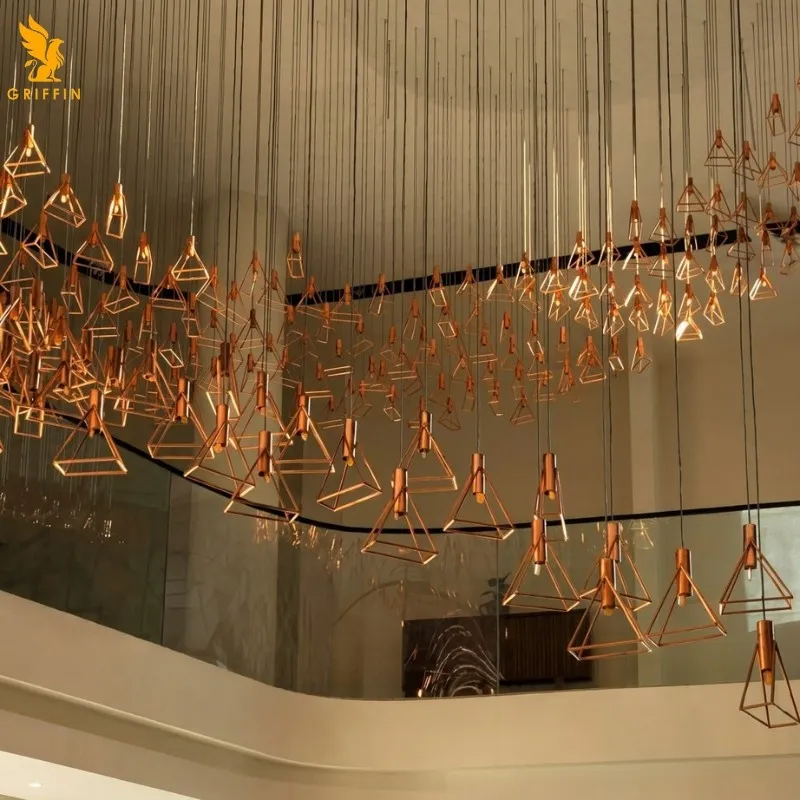
Modern interior design is constantly evolving, with architects and designers exploring creative ways to make spaces more attractive, functional, and unique. One of the latest trends transforming contemporary interiors is parametric ceiling design. Combining technology, creativity, and architectural innovation, this design approach introduces flowing patterns, geometric shapes, and artistic structures that add a distinctive character to any space.
Unlike traditional ceilings that often feature simple and repetitive designs, parametric ceilings offer endless possibilities for customization. Whether used in residential properties, commercial offices, hotels, or retail spaces, they create visually impressive environments while enhancing the overall interior experience.
What Is Parametric Ceiling Design?
Parametric ceiling design is an innovative architectural approach that uses computational tools and digital modeling to create complex ceiling patterns and structures. Designers work with algorithms and adjustable parameters to develop unique shapes, curves, textures, and patterns that may be difficult to achieve through conventional design methods.
The result is a ceiling that goes beyond its functional purpose and becomes an important decorative element. From flowing wave-inspired structures to intricate geometric patterns, parametric ceilings bring creativity and sophistication into modern architecture.
These designs can be customized according to the dimensions, lighting requirements, architectural theme, and functional needs of a space.
Understanding Parametric False Ceiling
A parametric false ceiling is a suspended or secondary ceiling structure designed using parametric modeling techniques. It is generally installed below the original ceiling to create depth, visual interest, and opportunities for integrated lighting and other building services.
Unlike conventional false ceilings, parametric false ceilings feature customized patterns, layered surfaces, curved elements, and three-dimensional forms. They can be manufactured using materials such as MDF, plywood, gypsum, metal, and other suitable architectural materials.
One of the biggest advantages is design flexibility. Every element can be adjusted to suit the project’s requirements, allowing architects to create distinctive ceiling concepts that complement the surrounding interior.
Key Features of Parametric Ceiling Designs
Parametric ceilings are becoming increasingly popular because of their artistic appeal and functional advantages.
1. Unique and Customized Patterns
One of the most attractive features of parametric ceiling design is its ability to create personalized patterns. Designers can experiment with organic curves, repetitive geometric elements, flowing lines, and intricate structures to achieve a unique appearance.
2. Modern Architectural Appeal
Parametric ceilings add a contemporary and luxurious touch to interiors. Their sculptural appearance makes them ideal for spaces where visual identity and architectural aesthetics are important.
3. Integrated Lighting Solutions
Lighting plays an important role in highlighting parametric ceiling structures. LED strips, concealed lights, spotlights, and backlighting can be incorporated into the design to create beautiful lighting effects and enhance the depth of patterns.
4. Better Spatial Experience
Carefully planned ceiling patterns can help define different areas within an open-plan space. They can also create a sense of movement, depth, and visual continuity throughout the interior.
5. Design Flexibility
From simple decorative patterns to complex three-dimensional structures, parametric ceilings can be adapted to different architectural styles, budgets, and project requirements.
Applications of Parametric False Ceilings
The versatility of parametric false ceiling designs makes them suitable for various residential and commercial environments.
- Residential Interiors: Living rooms, bedrooms, dining areas, and entertainment spaces can benefit from customized ceiling patterns that create an elegant atmosphere.
- Corporate Offices: Modern offices can use parametric ceilings to establish a creative workplace environment and strengthen their visual identity.
- Hotels and Restaurants: Reception areas, lobbies, banquet halls, and restaurants can feature artistic ceiling structures that create memorable first impressions.
- Retail Showrooms: Parametric ceiling designs can enhance product displays and create an engaging shopping experience.
- Auditoriums and Public Spaces: These ceilings can combine architectural aesthetics with carefully planned lighting and acoustic solutions.
Materials Used in Parametric Ceiling Design
Choosing the right material is essential for achieving the desired appearance, durability, and performance.
Commonly used materials include:
- MDF: Suitable for CNC-cut patterns and detailed decorative elements.
- Plywood: Offers flexibility, strength, and versatility for customized ceiling structures.
- Gypsum: Ideal for creating smooth surfaces and selected curved ceiling applications.
- Metal: Provides durability and a contemporary finish, particularly in commercial interiors.
- Acrylic: Can be used for decorative elements and creative lighting effects.
Material selection should depend on the design complexity, installation requirements, maintenance considerations, and project budget.
Why Choose Parametric Ceiling Design for Modern Interiors?
Traditional ceiling designs often follow standard patterns, whereas parametric ceiling design allows architects to explore new creative possibilities. It brings together aesthetics, technology, and functionality to create distinctive architectural features.
Another major benefit is customization. Designers can develop ceiling patterns that reflect the identity of a brand, complement the interior theme, or create a particular atmosphere.
Additionally, integrating lighting, ventilation, and other services into the planning stage can help achieve a cleaner and more organized ceiling layout. However, proper coordination is essential to ensure accessibility and ease of maintenance.
Conclusion
Parametric ceiling design represents a new direction in modern interior architecture, offering endless opportunities for creativity and customization. From elegant residential interiors to impressive commercial spaces, a well-designed parametric false ceiling can completely transform the appearance and experience of an environment.
By combining innovative digital modeling, suitable materials, and intelligent lighting solutions, architects can create ceiling structures that are both visually appealing and functional. As modern architecture continues to embrace technology-driven design, parametric ceilings are set to become an increasingly important feature of contemporary interiors.