Wood veneer is a popular choice for furniture, cabinetry, wall panels, doors, and decorative surfaces because it combines the natural beauty of timber with practical flexibility. However, the quality of a veneer project depends on more than selecting an attractive wood species. The bonding process also plays a major role in the final appearance and durability. Choosing the right adhesive for wood veneer can help create a secure connection while reducing problems such as peeling, bubbling, cracking, or uneven surfaces.
Understanding Wood Veneer Bonding
Wood veneer consists of thin layers of natural wood that are attached to a supporting material. Because veneer is relatively thin, it can react quickly to moisture, temperature, and uneven pressure. A suitable adhesive must therefore provide dependable bonding without damaging or distorting the veneer.
A professional veneer adhesive should offer good coverage, adequate working time, strong initial grab, and reliable final strength. The ideal choice depends on the type of veneer, substrate, application process, and environment where the finished product will be used.
Selecting the Right Adhesive for Wood Veneer
Different woodworking projects require different adhesive characteristics. For indoor furniture and decorative applications, PVA-based adhesives are often a practical choice. They are generally easy to handle and can provide strong bonds when used correctly.
For projects where quick bonding is important, contact adhesives may be considered. They can bond veneer to suitable substrates without requiring extended clamping, although careful positioning is essential.
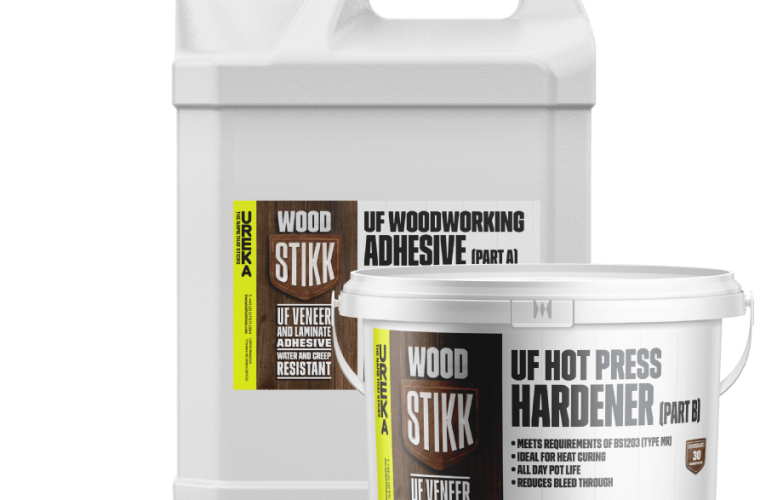
Industrial woodworking operations may use specialized adhesive systems designed for pressing equipment and high-volume production. These formulations can offer specific properties such as improved moisture resistance, heat resistance, or rapid curing.
Before choosing an adhesive for wood veneer, always check whether the product is suitable for the specific veneer and substrate involved.
Preparing the Surface Before Application
Even the best adhesive cannot compensate for poor surface preparation. Before applying the product, inspect both surfaces carefully. Remove dust, dirt, grease, loose fibers, and other contaminants that could interfere with bonding.
The substrate should be flat and properly prepared. Uneven areas can create gaps between the veneer and substrate, reducing contact and potentially causing weak spots.
Veneer should also be stored appropriately before use. Excessive moisture or extremely dry conditions can affect its dimensions and make successful bonding more difficult.
Applying Veneer Adhesive for Better Results
Application technique can significantly influence the finished result. Spread the veneer adhesive uniformly over the recommended bonding surface. Follow the manufacturer’s instructions regarding application thickness, open time, pressure, and curing.
Avoid applying excessive adhesive. Too much product can extend curing time and may contribute to surface irregularities. At the same time, insufficient adhesive can result in incomplete coverage and weak bonding.
Once the veneer is positioned, apply consistent pressure across the surface. Depending on the project, this may involve a veneer press, clamps, rollers, or other suitable equipment.
Allow sufficient curing time before trimming, sanding, machining, or applying finishes.
Common Veneer Bonding Problems
Several problems can occur when the wrong adhesive or application method is used. Veneer lifting may result from inadequate adhesive coverage, insufficient pressure, or poor surface preparation. Bubbling can occur when air becomes trapped beneath the veneer or when the adhesive has not been applied correctly.
Uneven surfaces may develop if the substrate is not sufficiently flat or if pressure is distributed unevenly during bonding. In some situations, moisture and temperature changes can also affect the bond.
Using a suitable veneer adhesive and following recommended application procedures can significantly reduce these issues.
Benefits of Using a Quality Veneer Adhesive
A dependable adhesive provides more than basic bonding. It can help create a cleaner appearance, improve product durability, and reduce the likelihood of costly repairs or rework.
For furniture manufacturers and woodworking professionals, consistent adhesive performance can also improve production efficiency. A stable bonding process helps maintain quality across multiple panels and finished products.
Home users can benefit as well. Selecting the correct adhesive for wood veneer makes decorative renovation projects more manageable and can help ensure that the finished surface remains securely attached.
Tips for Choosing the Best Product
When comparing adhesive options, consider the veneer species, substrate material, project size, application method, and expected environmental conditions. Think about whether the finished product will remain indoors or experience humidity, heat, or frequent use.
It is also important to review the manufacturer’s technical information. Pay attention to recommended surfaces, coverage, working time, curing requirements, and storage instructions.
For demanding applications, testing the adhesive on a small sample before starting the full project can help confirm compatibility and appearance.
Final Thoughts
A successful veneer project begins with the right combination of materials, preparation, and application technique. Choosing a suitable adhesive for wood veneer helps establish a strong foundation for a smooth and attractive finish.
Whether you are creating custom furniture, upgrading cabinets, manufacturing decorative panels, or completing a woodworking project, the right veneer adhesive can make a significant difference. By preparing surfaces properly, applying the adhesive evenly, using sufficient pressure, and allowing adequate curing time, you can achieve dependable results and extend the life of your finished veneer surfaces.