Wood veneer can transform ordinary furniture, cabinets, doors, and decorative panels into attractive surfaces with a natural timber appearance. However, getting a professional finish depends heavily on the adhesive used underneath the veneer. Choosing the right veneer glue can help prevent peeling, bubbling, cracking, and other problems that may appear after installation.
Whether you are completing a home improvement project or working on professional furniture production, understanding how veneer adhesives work can help you make better decisions. The right product, combined with proper preparation and application, can create a strong and lasting bond.
Why Veneer Glue Is Important
Veneer is considerably thinner than solid wood, which makes it more sensitive to changes in moisture, temperature, and surface conditions. If the adhesive does not bond correctly, the veneer may begin separating from the substrate.
A good wood veneer glue should provide reliable adhesion while allowing the installer enough time to position the material correctly. It should also be compatible with the substrate, which may include MDF, plywood, particleboard, or solid wood.
The adhesive should form a consistent bond across the entire surface rather than leaving weak areas. This is particularly important on large panels where small bonding problems can become noticeable over time.
Different Types of Veneer Glue
There are several adhesive options available for veneer work. Each type has advantages depending on the project.
PVA Wood Glue
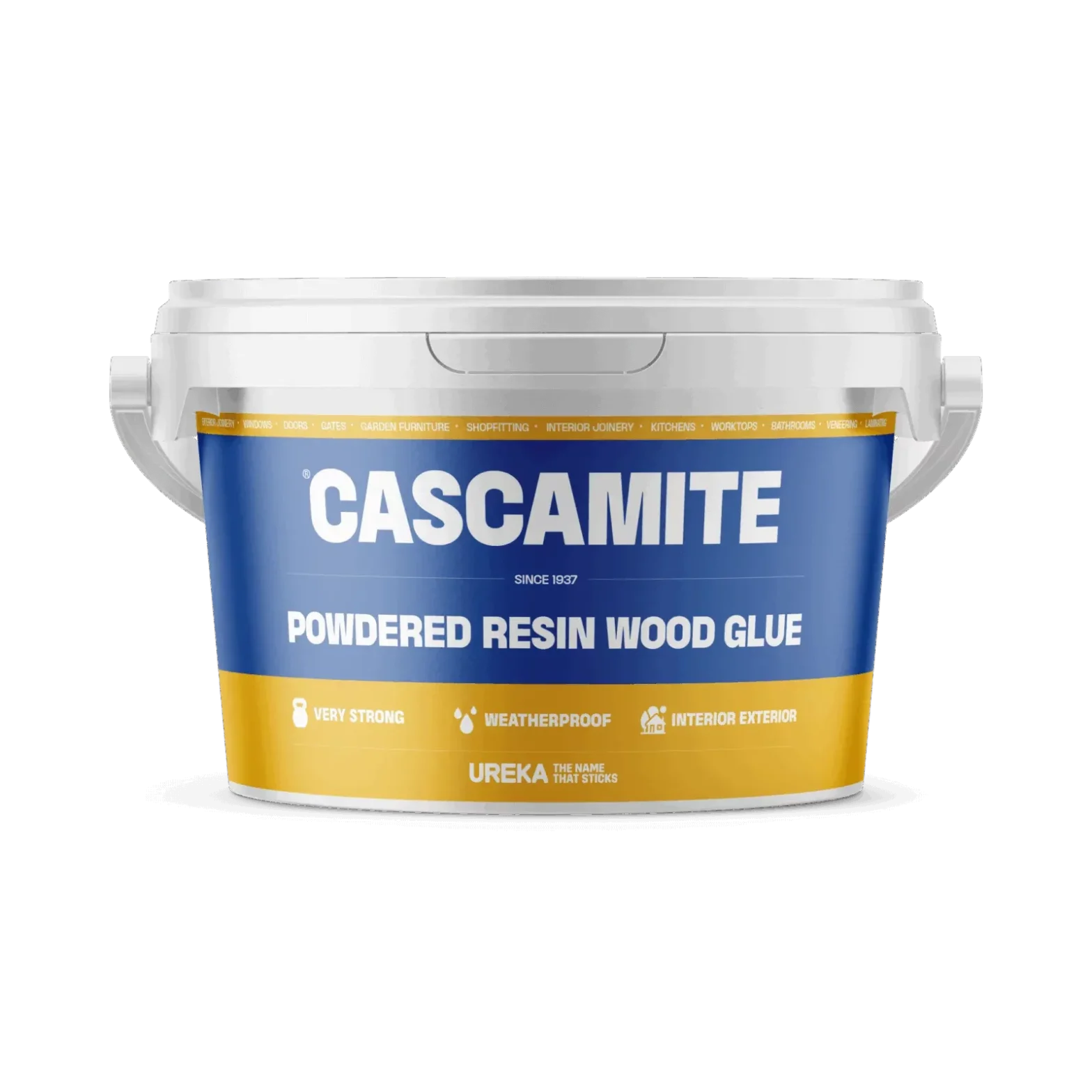
PVA adhesives are among the most familiar choices for woodworking. They are easy to use, widely available, and suitable for many interior applications.
Different PVA formulations offer different levels of moisture resistance and setting speed. For furniture and indoor cabinetry, a suitable PVA can provide excellent results when applied correctly.
Contact Adhesive
Contact adhesive is another option for certain veneer applications. It is generally applied to both surfaces and allowed to become tacky before the materials are joined.
One advantage is that it can provide an immediate bond. However, accurate positioning is essential because repositioning the veneer after contact can be difficult.
Hot-Melt Adhesives
Hot-melt adhesives are commonly used in manufacturing environments where fast production is important. Heat activates the adhesive, allowing veneer or edging materials to be bonded efficiently.
The correct equipment and application technique are important when using this type of system.
Reactive Adhesives
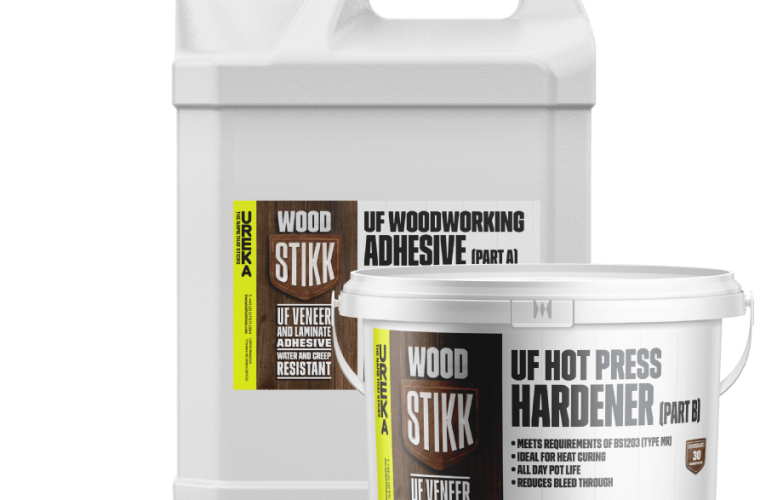
For demanding projects, reactive adhesive technologies can provide enhanced resistance to moisture, heat, and environmental changes. These products are often selected when durability is a major consideration.
Choosing the Right Wood Veneer Glue
Selecting a wood veneer glue should begin with the project requirements rather than simply choosing the cheapest option.
First, consider the substrate. MDF, plywood, and solid timber have different properties and may require different adhesive characteristics. The condition of the substrate also matters. A dusty, oily, or uneven surface can weaken the bond regardless of adhesive quality.
Next, think about where the finished item will be used. A decorative panel inside a dry room may have relatively simple requirements, while kitchen cabinetry or furniture exposed to humidity may require greater moisture resistance.
Working time is another important consideration. If you are installing a large sheet of veneer, you may need enough time to position it accurately before the adhesive sets.
Preparing Surfaces Before Application
Good surface preparation is essential for successful veneer installation. Start by ensuring the substrate is clean, dry, smooth, and free from contaminants.
Any loose dust should be removed before applying adhesive. Uneven areas should also be corrected because bumps or depressions can prevent the veneer from making consistent contact with the substrate.
The back of the veneer should be handled carefully. Thin veneer can be damaged easily, so avoid excessive pressure or rough handling during preparation.
Always follow the adhesive manufacturer’s instructions regarding surface preparation, application temperature, coverage, and curing.
Applying Veneer Glue Correctly
The application method depends on the type of adhesive being used. Apply the recommended amount evenly across the surface. Avoid creating thick patches because excessive adhesive can interfere with proper pressing and may contribute to an uneven finish.
Once the veneer is positioned, consistent pressure should be applied. Depending on the project, this may involve clamps, a veneer press, vacuum pressing equipment, or another suitable method.
Uniform pressure helps the veneer maintain close contact with the substrate while the adhesive develops its bond.
After pressing, allow the adhesive to cure for the recommended period. Avoid trimming, sanding, or heavily handling the panel before the bond has reached the appropriate strength.
Common Mistakes to Avoid
One of the biggest mistakes is applying too much adhesive. More glue does not necessarily mean a stronger bond. Excess material can create unevenness and extend curing time.
Another mistake is failing to test the adhesive before beginning a large project. Testing a small sample can reveal compatibility problems and help determine the best application method.
Working in unsuitable environmental conditions can also affect results. Excessive humidity, extreme temperatures, or moisture on the substrate may interfere with adhesive performance.
Finally, avoid ignoring the manufacturer’s instructions. Adhesive formulations differ, so application methods that work for one product may not be suitable for another.
Benefits of Using the Right Veneer Glue
The correct veneer glue can provide several advantages. It can improve bond strength, support a smoother finished appearance, reduce the risk of edge lifting, and contribute to the long-term durability of the project.
A reliable adhesive also makes installation more predictable. When the glue, veneer, substrate, and pressing method are compatible, achieving a clean professional finish becomes much easier.
Final Thoughts
Choosing the right adhesive is one of the most important decisions in any veneer project. A suitable wood veneer glue should match the substrate, veneer type, application method, and environment in which the finished product will be used.
Successful veneer installation is not only about selecting a quality adhesive. Proper surface preparation, even application, accurate positioning, adequate pressure, and sufficient curing time all contribute to the final result.
By taking time to understand your project’s requirements and following the adhesive manufacturer’s recommendations, you can create attractive veneer surfaces that remain securely bonded and look excellent for years.