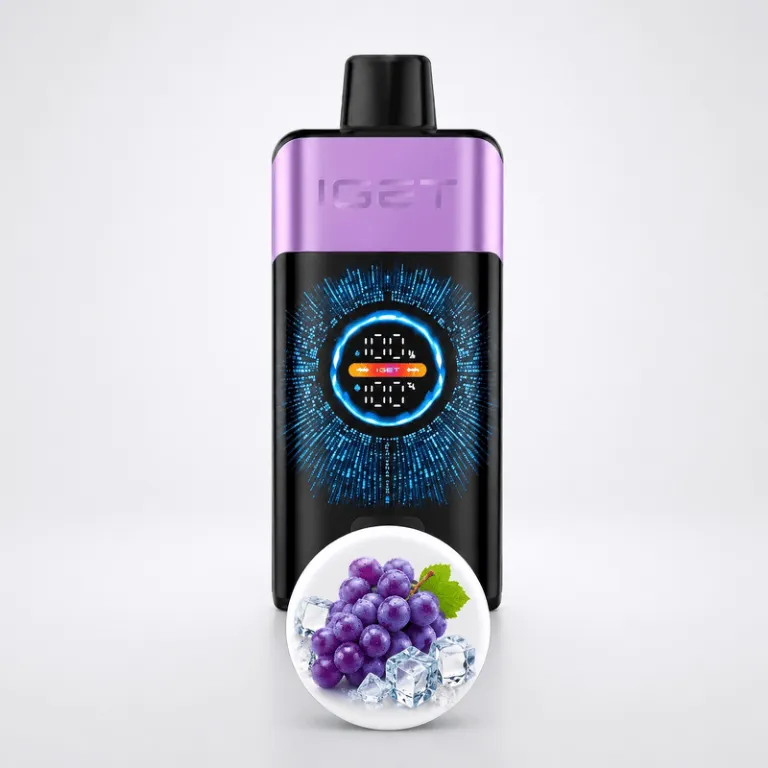
Electronic vaping devices have become an important topic in discussions about nicotine consumption, public health and product regulation. IGET One is a product name associated with disposable vaping devices. People researching this product may have questions about its design, technology, ingredients and legal status in Australia.
Understanding how disposable vaping devices operate is important because they can expose users to nicotine and other chemical substances. Australia also maintains strict regulations governing vaping products, including their importation and supply.
This article explores IGET One from an informational perspective, covering its general technology, potential health effects, environmental considerations and Australian regulatory requirements.
What Is IGET One?
IGET One is a product name associated with electronic vaping devices. Disposable vaping devices generally use a battery-powered heating system to turn liquid into an aerosol.
Unlike traditional cigarettes, vaping devices do not burn tobacco. Instead, they use electrical energy to heat a liquid.
A typical electronic vaping device may contain several components:
- An internal battery.
- A heating element.
- A liquid storage compartment.
- An airflow system.
- A mouthpiece.
- Electronic activation components.
Specific technical details may vary between models and manufacturing versions. Product specifications should therefore be checked against reliable documentation.
How Does an Electronic Vape Work?
Electronic vaping devices operate through a relatively simple heating process.
When the device is activated, electrical energy from the battery powers a heating element. The heating element warms the liquid, producing an aerosol that travels through the device’s airflow system.
This aerosol is inhaled through the mouthpiece.
However, vaping aerosol should not be confused with harmless water vapour. Depending on the product, it may contain nicotine, flavouring chemicals, fine particles and other substances.
The exact composition depends on the liquid formulation and device characteristics.
Understanding the Ingredients
Vaping liquids can contain several ingredients. Their composition may vary depending on the manufacturer and product formulation.
Propylene Glycol
Propylene glycol is commonly used as a carrier ingredient in vaping liquids. It helps distribute other components throughout the formulation.
Vegetable Glycerine
Vegetable glycerine is another substance found in some vaping liquids. It contributes to aerosol formation when heated.
Flavouring Substances
Flavouring chemicals may be included to create different taste profiles. However, a substance considered suitable for food consumption is not automatically safe to inhale.
Nicotine
Some vaping products contain nicotine, a highly addictive substance. Nicotine can affect the nervous system and cardiovascular function.
Consumers should not assume that every device has the same formulation or nicotine concentration.
Potential Health Risks of Vaping
Although electronic vaping devices differ from traditional tobacco cigarettes, they are not harmless.
Several potential health concerns should be considered.
1. Nicotine Addiction
Nicotine can cause dependence, especially with repeated exposure. Individuals may develop cravings and withdrawal symptoms when they stop using nicotine.
These symptoms can include irritability, restlessness and difficulty concentrating.
2. Respiratory Irritation
Inhaling vaping aerosols may expose the respiratory system to fine particles and chemical substances.
Some individuals report coughing, throat irritation and breathing discomfort.
3. Cardiovascular Effects
Nicotine can temporarily increase heart rate and blood pressure. These effects may be concerning for individuals with existing cardiovascular conditions.
4. Effects on Young People
Nicotine exposure is particularly concerning during adolescence because the brain continues developing into early adulthood.
Young people should avoid nicotine-containing vaping products.
5. Long-Term Health Uncertainty
Research into the long-term health effects of vaping is ongoing. The lack of tobacco combustion does not establish that vaping aerosols are safe.
Australian Regulations and IGET One
Australia has introduced strict laws governing vaping products to address nicotine-related harm and protect public health.
These regulations cover areas such as product standards, importation, supply, advertising and access.
Since 1 July 2024, Australian reforms have established a pharmacy-based supply model for therapeutic vapes, subject to applicable conditions and requirements. Further regulatory changes have strengthened controls over the importation and supply of vaping products.
Anyone researching IGET One should understand that an international online listing does not automatically establish that a product can legally be imported or supplied in Australia.
The legal position depends on the product’s classification and applicable Australian legislation.
For reliable information, consult the following organisations:
- Therapeutic Goods Administration: Official information about therapeutic vaping products and regulatory requirements.
- Australian Department of Health and Aged Care: Public health guidance and vaping policies.
- Australian Border Force: Information about importation restrictions.
- State and territory health departments: Local regulatory and health information.
Checking official resources is particularly important because regulatory requirements can change.
Environmental Considerations
Disposable electronic devices also raise environmental concerns.
Unlike reusable electronic products, disposable vaping devices are designed to be discarded after their intended use.
They may contain lithium batteries, electronic circuitry, plastics and residual liquid.
Improper disposal can contribute to electronic waste and create potential battery-related fire hazards.
Consumers should follow local electronic waste and battery disposal guidance rather than placing damaged lithium batteries in ordinary household rubbish.
How to Research Vaping Products Responsibly
When researching electronic vaping products, it is important to distinguish verified information from marketing claims.
Consider these factors:
1. Product specifications: Check whether the technical information comes from reliable documentation.
2. Ingredient information: Understand whether nicotine or other substances are present.
3. Regulatory requirements: Verify whether the product complies with applicable Australian laws.
4. Health information: Avoid claims that describe vaping products as completely harmless.
5. Environmental impact: Consider the battery and electronic waste associated with disposable devices.
These points provide a more complete understanding of electronic vaping products.
Frequently Asked Questions
What is IGET One?
IGET One is a product name associated with electronic vaping devices.
How does an electronic vaping device work?
It generally uses a battery-powered heating element to produce an aerosol from a liquid formulation.
Do vaping products contain nicotine?
Some vaping products contain nicotine, while others are labelled nicotine-free. Product formulations vary.
Is vaping completely safe?
No. Vaping can expose users to nicotine and other substances that may have adverse health effects.
Are vaping devices regulated in Australia?
Yes. Australian vaping regulations impose strict requirements on product importation, supply, advertising and availability.
Conclusion
IGET One is associated with electronic vaping technology, a category of products that raises important questions about nicotine exposure, respiratory health, product composition and environmental waste.
Although vaping devices operate differently from traditional tobacco cigarettes, they should not be considered harmless. Understanding their potential health effects and the applicable legal framework is essential.
Australian consumers should consult official government resources for accurate information about vaping regulations and avoid assuming that products advertised internationally are automatically legal or available in Australia.