A Corrosion Analysis Test is an important process used to understand how and why materials deteriorate when exposed to environmental conditions. Corrosion commonly affects metals and alloys through reactions with moisture, oxygen, chemicals, salts, and other surrounding substances. It can weaken structures, damage equipment, reduce product performance, and increase maintenance costs. By identifying the causes and extent of corrosion, industries can make better decisions about material selection, protection methods, and long-term maintenance.
Understanding the Corrosion Process
Corrosion is a natural process that gradually changes the properties of materials, particularly metals. It can occur in different forms depending on the material, environment, and operating conditions. Common examples include uniform corrosion, pitting corrosion, crevice corrosion, galvanic corrosion, and stress corrosion cracking.
Each type can affect materials differently. Uniform corrosion generally causes gradual material loss across a surface, while pitting corrosion creates small, concentrated areas of damage. Crevice corrosion may develop in narrow spaces where moisture and chemicals become trapped.
Understanding these patterns is important because the visible appearance of corrosion does not always reveal the full extent of the damage. Detailed examination and appropriate testing can help determine whether a material remains suitable for its intended application.
Why Corrosion Assessment Is Important
Corrosion assessment helps industries protect equipment, infrastructure, and products from premature deterioration. It is particularly important in sectors such as construction, manufacturing, automotive, marine, oil and gas, and chemical processing.
Metal components used in bridges, pipelines, storage tanks, machinery, and industrial plants may experience continuous exposure to challenging environments. If corrosion is not identified and managed, it can reduce structural strength and lead to unexpected equipment failure.
Regular assessment also supports preventive maintenance. Instead of waiting until visible damage becomes severe, organizations can use inspection and testing results to identify early warning signs and plan suitable maintenance activities.
The Role of Professional Testing Facilities
Reliable corrosion assessment requires appropriate testing methods, technical knowledge, and accurate interpretation of results. Corrosion Testing Laboratories support industries by examining material behaviour and evaluating how different environmental conditions may contribute to corrosion.
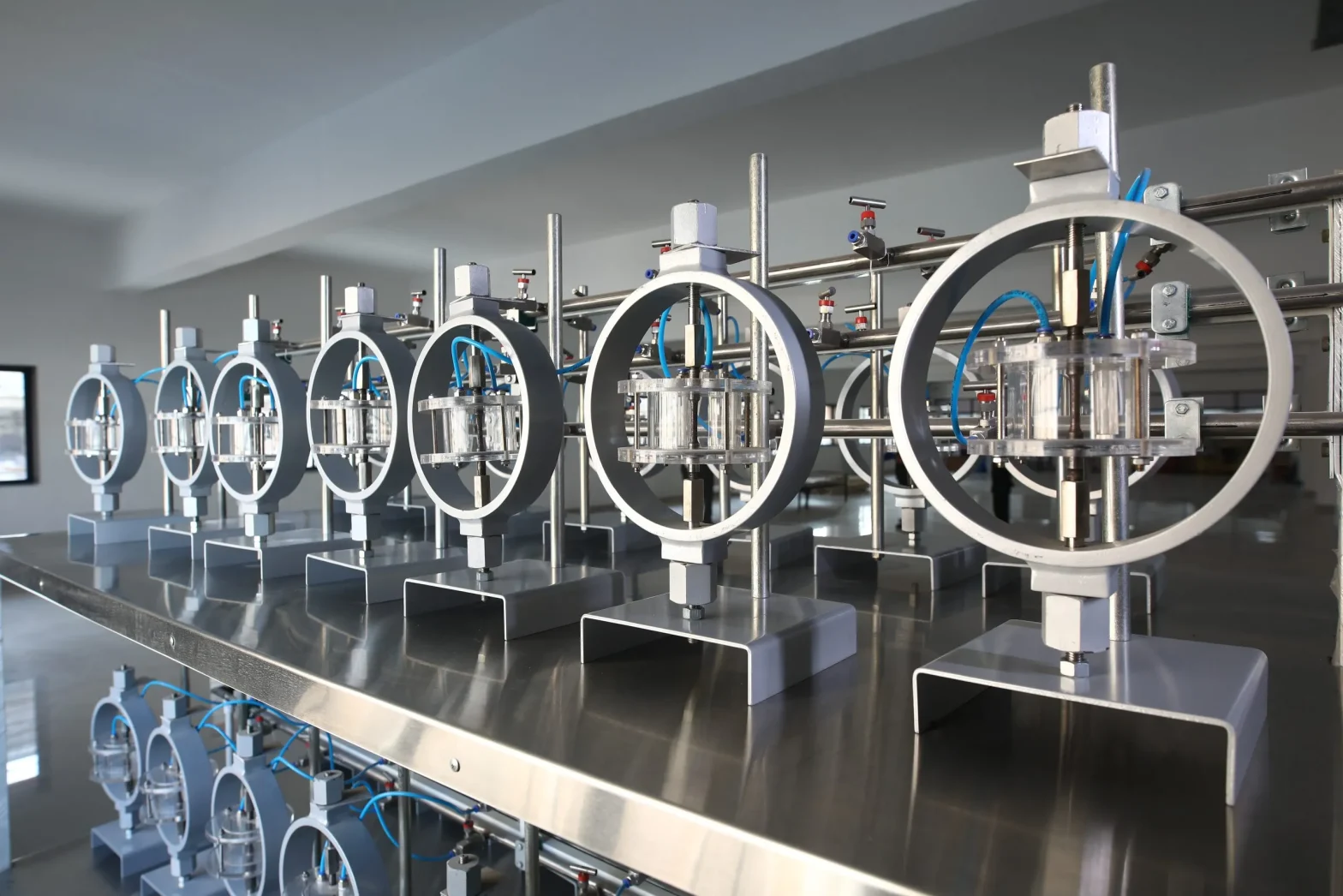
Depending on the material and application, laboratories may conduct tests involving salt spray exposure, humidity, chemical resistance, immersion, or electrochemical measurements. These methods help evaluate corrosion resistance under controlled conditions.
Laboratory testing can also help compare different materials, protective coatings, and surface treatments. This information is valuable when engineers need to select suitable materials for specific operating environments.
Common Methods Used for Corrosion Testing
Different testing methods are selected according to the purpose of an assessment. Salt spray testing, for example, exposes specimens to a controlled salt-containing environment to evaluate their resistance to corrosion. It is commonly used when assessing protective coatings and metal finishes.
Immersion testing involves placing material samples in a selected liquid or chemical environment for a defined period. The samples can then be examined for changes such as weight loss, surface damage, or other relevant properties.
Electrochemical testing can provide information about corrosion behaviour by measuring electrical responses associated with corrosion reactions. Microscopic examination and surface analysis may also help identify corrosion patterns and damage mechanisms.
No single test is suitable for every situation. The testing approach should reflect the material, expected service conditions, applicable standards, and the information required from the assessment.
Factors That Influence Corrosion
Several environmental and material-related factors can affect corrosion rates. Moisture and oxygen often play important roles, while salts and certain chemicals can accelerate deterioration. Temperature, pH levels, and exposure duration may also influence how materials respond.
Material composition is another important consideration. Different metals and alloys have different corrosion resistance characteristics. Surface conditions, manufacturing processes, and protective coatings can further influence performance.
Understanding these factors helps engineers identify possible causes of material degradation and choose suitable prevention strategies. Protective coatings, corrosion inhibitors, proper material selection, and regular inspections may all contribute to improved durability.
Choosing the Right Corrosion Testing Partner
Selecting a suitable laboratory is essential for obtaining meaningful and dependable results. Businesses should review a laboratory’s technical expertise, available testing methods, equipment, quality control procedures, and experience with relevant materials.
It is also important to confirm whether the laboratory follows appropriate industry standards and holds accreditation for the specific tests required. Accreditation and testing scope should always be checked rather than assumed.
A reliable testing provider should also explain sample preparation requirements, testing conditions, reporting timelines, and any limitations associated with the selected method. Clear reports make it easier for engineers and project managers to understand the findings and apply them to practical decisions.
Conclusion
Corrosion assessment plays a valuable role in maintaining material quality, equipment reliability, and structural safety. By understanding corrosion mechanisms and selecting appropriate testing methods, industries can identify material weaknesses and make informed decisions about protection and maintenance. Professional laboratory testing provides useful information for comparing materials, evaluating coatings, and improving product performance. Regular assessment and effective corrosion management can help extend service life, reduce unexpected failures, and support safer industrial operations.