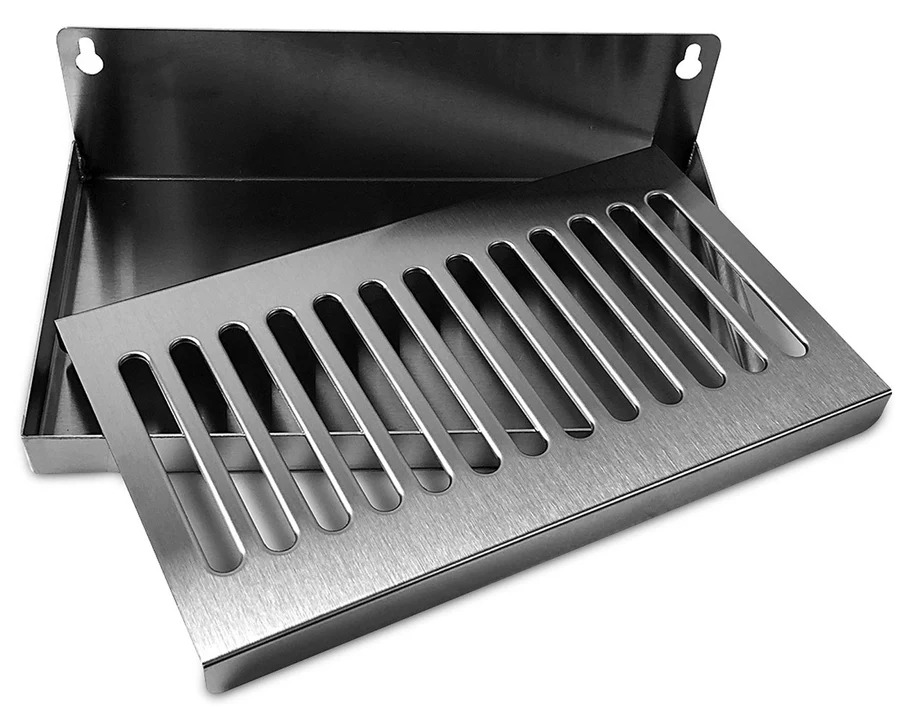
A reliable draft beer setup requires equipment that supports clean dispensing, consistent serving temperatures, and efficient daily maintenance. A quality Beer Drip Tray helps collect excess beer and foam beneath dispensing taps, keeping countertops cleaner and reducing spills around the serving area. When combined with suitable cooling equipment and properly installed beer lines, it contributes to a more organised and professional beverage service station.
Bars, pubs, restaurants, breweries, and event venues often serve beer throughout long service periods. During busy hours, even small spills can accumulate around taps, creating sticky surfaces and additional cleaning work. A drip tray provides a designated place to collect these spills, while a suitable cooling arrangement helps maintain the beer at an appropriate serving temperature. Both components support a more consistent dispensing process.
For installations where beer travels through longer lines from a keg storage or cooling area to the serving taps, a Glycol System Beer setup may be worth considering. Glycol cooling systems are designed to help maintain beer-line temperatures over distances, depending on the system configuration and operating conditions. Selecting suitable equipment requires consideration of line length, expected dispensing volume, ambient temperature, and the layout of the venue.
What Is a Beer Drip Tray?
A beer drip tray is a collection surface positioned beneath beer taps or dispensing faucets. It catches drips, foam, and small amounts of liquid that may escape during pouring, glass removal, or cleaning. Some trays collect liquid for manual emptying, while others feature a drainage outlet.
Drip trays are available in different shapes, sizes, materials, and installation styles. Countertop models can be suitable for compact beverage stations, while built-in versions may be used in custom bar counters or multi-tap installations.
When choosing a tray, consider how many taps it needs to serve, the width of the dispensing area, the expected amount of spillage, and whether a drain connection is required. The tray should be easy for staff to access and clean without disrupting service.
Benefits of a Proper Drip Tray
Cleaner Work Surfaces
Beer residue can make bar counters sticky and unattractive. A drip tray captures much of the liquid before it spreads across the work surface, helping staff maintain a cleaner serving area.
Easier Daily Cleaning
A dedicated collection tray makes cleaning routines more straightforward. Staff can remove the collected liquid, wash the tray, and inspect the area around the taps as part of regular maintenance.
Improved Presentation
A well-fitted tray creates a defined area beneath the faucets and can give the dispensing station a more finished appearance. Stainless steel options are popular in commercial settings because they provide a durable surface with a professional finish.
Better Spill Management
A tray helps contain everyday drips and small spills, but it should not be treated as a substitute for proper pouring practices or regular cleaning. Emptying it before it overflows is essential.
Understanding Glycol Cooling Systems for Draft Beer
A glycol cooling system uses a chilled glycol-water mixture that circulates through insulated lines or cooling circuits. The cooling arrangement helps control temperatures along beer lines, particularly when the distance between the keg and dispensing tap makes temperature management more challenging.
Glycol systems are commonly considered for long-draw draft beer installations, large venues, restaurants with remote keg storage, and commercial bars where beer travels through extended line runs. The specific design may include a chiller, circulation pump, insulated trunk line, and associated fittings.
The system must be selected and configured according to the installation’s requirements. An incorrectly sized or poorly maintained system may struggle to maintain suitable temperatures, while unsuitable line insulation can reduce cooling efficiency.
Key Factors When Choosing a Glycol Chiller
1. Beer Line Length
The distance between the keg and the dispensing faucet influences cooling requirements. Longer lines generally require more careful temperature management than short-draw systems. Measure the actual route rather than relying only on the straight-line distance between equipment locations.
2. Number of Beer Lines
A system serving several taps may have different cooling demands from one serving a single line. Consider the number of beer lines, their arrangement, and whether they are likely to be used simultaneously.
3. Ambient Conditions
The surrounding temperature and the location of the chiller can affect performance. Equipment installed in a hot storage area may face different operating conditions from equipment positioned in a controlled indoor space.
4. Maintenance and Service Access
Choose equipment that can be inspected and serviced conveniently. Follow the manufacturer’s guidance for cleaning, checking coolant levels where applicable, inspecting pumps, and maintaining ventilation around the unit.
5. Compatibility With Existing Equipment
Before purchasing a glycol chiller, verify compatibility with the beer-line arrangement, fittings, electrical supply, and available installation space. Professional advice may be useful for complex or long-draw systems.
How Drip Trays and Glycol Systems Work Together
Although they perform different functions, drip trays and glycol cooling systems can contribute to a better overall dispensing setup.
The drip tray manages liquid around the faucet, while the cooling system helps control temperature along the beer line. When both are appropriately selected and maintained, staff can benefit from a tidier dispensing station and better temperature management throughout service.
However, neither component can compensate for every other issue in a draft beer system. Beer quality and pouring performance can also depend on line cleanliness, keg temperature, pressure settings, faucet condition, and correct installation. Businesses should assess the complete setup rather than focusing on a single piece of equipment.
Cleaning and Maintenance Best Practices
A consistent maintenance routine supports dependable performance.
- Empty and clean drip trays regularly to prevent residue buildup.
- Inspect tray drainage outlets and clear blockages when necessary.
- Clean beer lines according to an appropriate schedule and established procedures.
- Check insulated lines for damage and ensure the cooling equipment has adequate ventilation.
- Follow manufacturer instructions for glycol mixture checks and chiller servicing.
- Monitor beer temperature and investigate persistent foaming or dispensing problems.
- Arrange professional inspection when equipment develops faults or requires specialist adjustment.
Staff should also understand the venue’s cleaning procedures and know when to report leaks, unusual noises, or changes in cooling performance.
Conclusion
Beer drip trays and glycol cooling systems serve different but complementary roles in draft beer dispensing. Drip trays help keep the serving area clean by collecting excess liquid, while glycol systems help manage beer-line temperatures in installations that require extended cooling.
When choosing equipment, consider the size and layout of the bar, the number of taps, beer-line distances, cooling requirements, and maintenance access. A properly planned and maintained draft beer setup can support cleaner service, more consistent operation, and a professional experience for customers.