Businesses across Sharjah use access equipment for construction, building maintenance, warehouse operations, and industrial projects. If you plan to buy scissor lift Sharjah, it is important to select a model that matches the working height, platform capacity, site conditions, and nature of the task. Reviewing these requirements before purchasing can help businesses choose suitable equipment and plan for long-term operating costs.
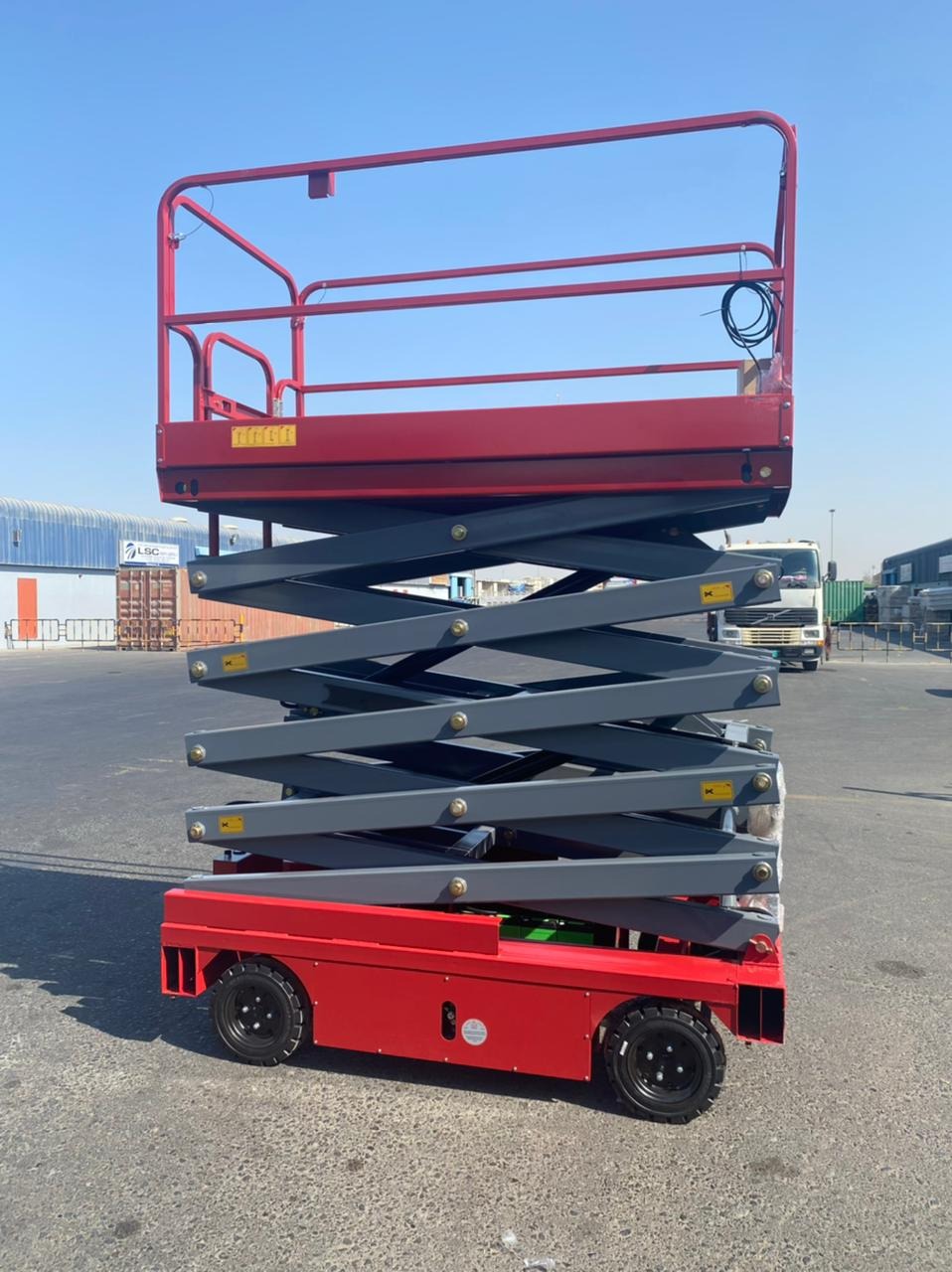
A scissor lift raises a working platform vertically through a folding support mechanism. It can provide authorized workers with access to elevated areas for activities such as installing lights, maintaining ceilings, inspecting building systems, and completing certain installation tasks. Different models are designed for different environments, so checking the specifications is essential.
Common Applications of Scissor Lifts
Scissor lifts are used in a range of workplaces where elevated access is required.
Warehouses: Suitable models can help with maintenance of overhead lighting, signs, and other building fixtures.
Commercial buildings: Facility teams may use scissor lifts for ceiling repairs, interior installation, and inspections.
Construction projects: Certain models can support designated installation and finishing activities when site conditions are appropriate.
Industrial facilities: Access platforms can help authorized workers reach overhead systems and equipment for maintenance.
The best choice depends on the working environment, required height, load, and available maneuvering space. Buyers should also confirm whether the equipment is intended for indoor use, outdoor work, or specific terrain conditions.
Heavy-Duty Forklifts for Industrial Operations
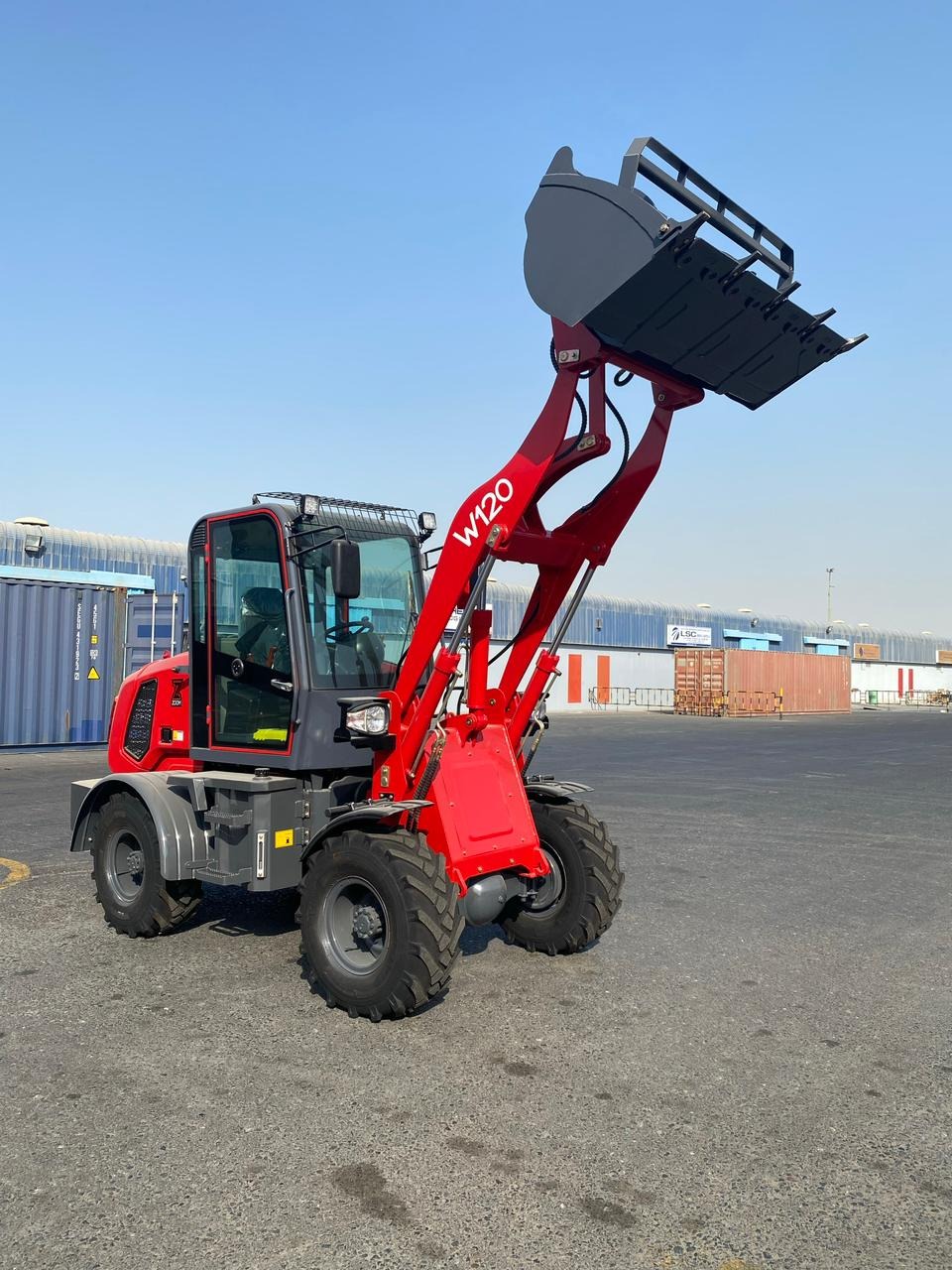
Businesses evaluating heavy duty forklift Abu Dhabi options should consider the weight and dimensions of their loads, the lifting height required, and the conditions in which the machine will operate. Heavy-duty forklifts are designed for demanding material-handling applications, but the appropriate model depends on the manufacturer’s rated capacity and the specific operating requirements.
These forklifts may be considered for industrial yards, logistics operations, manufacturing facilities, and other suitable applications involving substantial loads. Buyers should check load capacity, load center, attachments, tire configuration, turning radius, and the condition of the operating surface before selecting equipment.
The same careful approach applies when purchasing a scissor lift: the machine must match the task and comply with the manufacturer’s operating limits.
Types of Scissor Lifts to Consider
Understanding the available lift categories can help narrow down the options.
1. Electric Scissor Lifts
Electric models are commonly used indoors for maintenance and installation tasks. They produce no direct exhaust emissions during operation, which can be an advantage in suitable indoor environments. Buyers should check battery runtime, charging arrangements, and compatibility with the workplace.
2. Compact Scissor Lifts
Compact models are useful where access is restricted by narrow aisles, doorways, or limited storage space. Overall dimensions and turning requirements should be reviewed before purchasing.
3. Rough-Terrain Scissor Lifts
Some models are designed for outdoor work on specific ground conditions. Buyers must verify that the machine is suitable for the site’s terrain and follow the manufacturer’s stability and operating instructions.
4. Higher-Reach Models
For tasks that require access to greater heights, compare the required platform height with the specifications of each model. Working height and platform height may be measured or described differently by manufacturers.
Factors to Review Before Making a Purchase
A structured buying process helps businesses avoid selecting unsuitable equipment.
- Working height: Identify the height required for the task.
- Platform capacity: Include workers, tools, and materials within the permitted load.
- Platform dimensions: Ensure adequate space for the intended work.
- Power source: Choose a model suited to the workplace and operating schedule.
- Site conditions: Check floor strength, surface suitability, and access limitations.
- Mobility: Measure doorways, aisles, turning areas, and transport access.
- Service support: Review warranty terms, maintenance options, and spare-parts availability.
- Total cost: Account for purchase price, inspections, repairs, charging, and possible downtime.
For forklifts, capacity should be assessed using the machine’s rated capacity information, taking account of load position, lifting height, and attachments. Never assume that a machine can safely lift its advertised maximum in every configuration.
New or Used Equipment?
A new scissor lift may offer a defined warranty and a clearer maintenance history. It can be worth considering for businesses that expect frequent use and want to plan their equipment ownership over a longer period.
Used equipment may reduce the initial purchase cost, but it should be inspected carefully. Ask for available service records and arrange an assessment of structural parts, controls, batteries, hydraulic systems, wheels, and safety devices, as applicable.
For heavy-duty forklifts, buyers should also check the forks, brakes, steering, tires, hydraulics, and relevant engine or electrical components. The equipment’s condition and future servicing needs should be included in the purchase decision.
Safety and Maintenance Best Practices
Operators should receive appropriate training and authorization before using lifting equipment. Pre-use checks, suitable work surfaces, and compliance with rated capacity are essential. Scissor lift operators must follow instructions for guardrails, emergency lowering, wind conditions, and movement while elevated.
Forklift operators must handle loads within the rated capacity, maintain visibility, follow designated travel routes, and take precautions around pedestrians. Regular inspections and scheduled maintenance help identify faults before they cause equipment failure or unplanned downtime.
Businesses should follow manufacturer recommendations and applicable local requirements, keep maintenance records, and remove unsafe equipment from service until it has been properly assessed and repaired.
Conclusion
Choosing a scissor lift in Sharjah or a heavy-duty forklift for industrial operations requires a clear understanding of working conditions, load requirements, safety, and maintenance. By comparing specifications and assessing the intended application, businesses can make more informed equipment decisions. Proper training, routine inspections, and appropriate machine selection help support productive and responsible operations.