Choosing the right adhesive is one of the most important steps in any woodworking project. Whether you are building furniture, repairing wooden structures, or completing outdoor joinery, the quality of the glue directly affects the strength and longevity of the finished product. Two popular options among professionals and DIY enthusiasts are expanding wood glue and d4 wood glue. Although both are designed to create durable bonds, they have different properties and are suited to different applications.
In this guide, we’ll explore the features, benefits, and ideal uses of these two wood adhesives to help you select the best option for your next project.
Why Wood Glue Is Essential
Wood glue does much more than simply hold pieces together. A high-quality adhesive creates a strong bond that often becomes stronger than the wood itself. Modern formulations are designed to resist moisture, temperature changes, and everyday wear, making them suitable for indoor and outdoor applications.
The right glue can improve the durability of:
- Furniture
- Cabinets
- Doors
- Window frames
- Wooden flooring
- Garden furniture
- Decking
- Joinery projects
Understanding the characteristics of different adhesives helps ensure long-lasting results.
What Is Expanding Wood Glue?
Expanding wood glue is typically a moisture-curing adhesive that expands slightly as it cures. This expansion helps fill small gaps and irregular surfaces, making it particularly useful when working with uneven materials or imperfect joints.
Once cured, it forms a tough and durable bond that can withstand demanding conditions.
Key Features
- Expands during curing
- Excellent gap-filling ability
- Strong bonding performance
- Water-resistant properties
- Suitable for indoor and outdoor use
- Bonds a variety of materials, including wood, metal, stone, and some plastics
Because it expands while curing, it is important to apply the correct amount to avoid excess squeeze-out.
Benefits of Using Expanding Wood Glue
Many woodworkers prefer expanding wood glue because of its versatility and durability.
Excellent Gap Filling
Minor imperfections between wooden surfaces can be filled effectively, helping improve the final bond.
Strong Structural Bond
Once fully cured, the adhesive creates a robust connection suitable for demanding woodworking applications.
Outdoor Durability
Its moisture-resistant characteristics make it a reliable choice for projects exposed to changing weather conditions.
Multi-Material Bonding
In addition to wood, it can bond several other construction materials, making it useful for mixed-material projects.
Understanding D4 Wood Glue
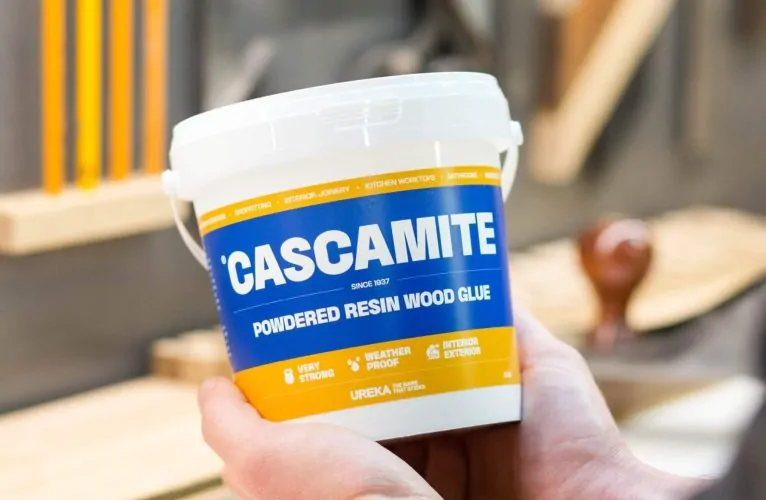
d4 wood glue refers to a high-performance adhesive classified under the European D4 water-resistance standard. It is specifically designed for applications where strong moisture resistance is required.
D4-rated adhesives are commonly chosen for professional woodworking, exterior joinery, and areas exposed to occasional or frequent humidity.
Main Characteristics
- High water resistance
- Strong wood-to-wood bonding
- Excellent durability
- Suitable for demanding environments
- Easy application
- Reliable long-term performance
Many professionals rely on d4 wood glue for projects requiring dependable strength and weather resistance.
Applications of D4 Wood Glue
Because of its excellent moisture resistance, d4 wood glue is commonly used for:
- Exterior doors
- Wooden windows
- Garden furniture
- Outdoor timber structures
- Kitchen cabinets
- Bathroom furniture
- Staircases
- Interior joinery exposed to humidity
Its ability to maintain bond strength under challenging conditions makes it a trusted choice for both residential and commercial woodworking.
Comparing Expanding Wood Glue and D4 Wood Glue
Although both adhesives provide durable performance, they serve slightly different purposes.
Gap-Filling Ability
Expanding wood glue performs exceptionally well when small gaps need to be filled during assembly.
Water Resistance
Both products offer moisture resistance, but d4 wood glue is specifically formulated to meet recognized standards for water-resistant wood bonding.
Ease of Cleanup
Many D4 PVA-based adhesives are easier to clean before curing, while expanding adhesives may require more careful application.
Best Uses
- Choose expanding wood glue for uneven surfaces or mixed-material bonding.
- Choose d4 wood glue for precise woodworking joints requiring high moisture resistance.
Tips for Achieving Strong Glue Joints
No matter which adhesive you choose, following proper woodworking techniques will improve the final result.
Prepare the Surface
Ensure all surfaces are clean, dry, and free from dust, grease, or old finishes.
Apply Evenly
Use only the amount recommended by the manufacturer to avoid excessive squeeze-out.
Clamp Securely
Applying consistent pressure during curing helps create maximum bond strength.
Allow Full Cure Time
Avoid placing stress on glued joints until the adhesive has completely cured.
Store Adhesives Properly
Keep containers tightly sealed and store them according to the manufacturer’s recommendations to maintain performance.
Common Mistakes to Avoid
Many glue failures occur because of incorrect application rather than poor-quality products.
Avoid these common mistakes:
- Applying too much adhesive
- Insufficient clamping pressure
- Poor surface preparation
- Ignoring recommended curing times
- Using the wrong adhesive for the environment
- Working in unsuitable temperatures
Taking the time to prepare properly leads to stronger, longer-lasting joints.
Choosing the Right Adhesive
The ideal adhesive depends on the requirements of your project.
If your work involves irregular joints or bonding multiple materials, expanding wood glue offers excellent flexibility and gap-filling performance.
If your project demands reliable wood-to-wood bonding in humid or outdoor conditions, d4 wood glue provides outstanding durability and water resistance.
Understanding your project’s needs allows you to select the adhesive that delivers the best long-term performance.
Conclusion
A successful woodworking project begins with choosing the right adhesive. Both expanding wood glue and d4 wood glue offer exceptional bonding strength, but each excels in different situations. Expanding adhesives are ideal for filling small gaps and bonding a variety of materials, while D4-rated wood glue is specifically designed for strong, moisture-resistant wood joints.
By selecting the appropriate glue, preparing surfaces carefully, and following proper application techniques, you can create durable, professional-quality results that stand the test of time. Whether you’re crafting custom furniture, repairing outdoor structures, or completing precision joinery, investing in the right adhesive is key to achieving lasting performance and dependable strength.